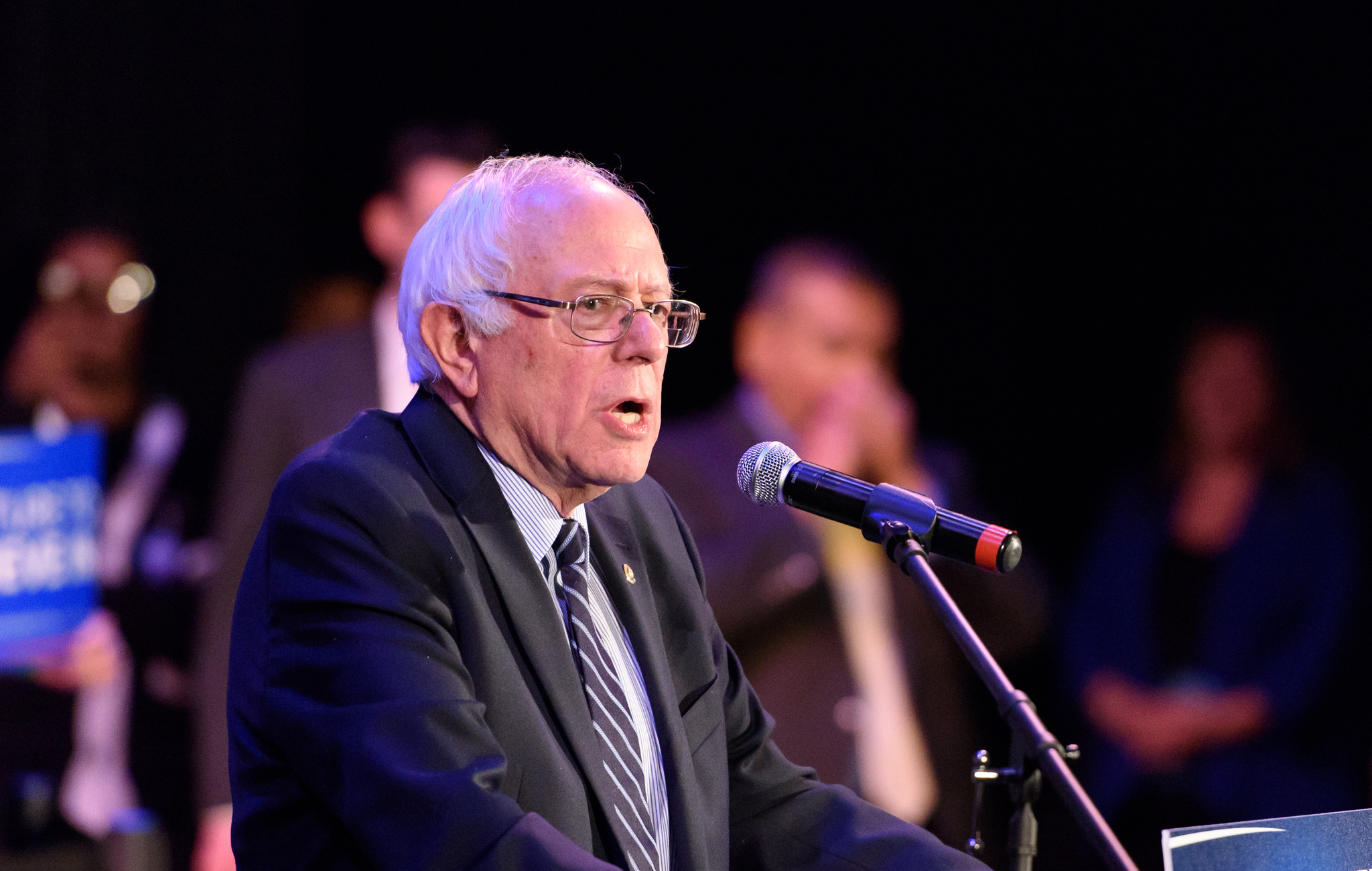
Annual Social Security benefits are scheduled to be cut by $6,000 on average when the trust fund exhausts its IOUs in the fall of 2032. Senator Bernie Sanders (I-VT) wants to send Social Security beneficiaries another $2,400 a year instead. In a viral post on X, he promised to expand benefits and extend the program’s solvency for generations by “scrapping the cap” and demanding wealthy Americans pay their “fair share.”
Eliminating the payroll tax cap wouldn’t even cover the benefits Congress has already promised, let alone fund a benefit expansion. Imposing a 12.4 percentage-point increase in the marginal tax rate for highly productive workers would, however, discourage work, reduce investment and innovation, and potentially make it harder to access medical care. Sanders is promising to expand already outsized government checks without acknowledging what his tax increases would cost Americans.
Social Security’s 12.4 percent payroll tax currently applies to earnings up to $184,500. This taxable base amount will rise to $192,300 in January because it grows with average wage gains across the economy.
Eliminating the cap would impose the payroll tax on every additional dollar of wages above it. Calling that “fair” ignores both how Social Security’s benefit formula works and the broader tax code. While higher earners don’t pay payroll taxes on earnings above $184,500, they also receive no additional benefit credits above this threshold. For example, someone earning $184,500 and someone earning $300,000 are treated the same under the benefit formula. This is also a common practice globally, with many developed countries imposing tax caps at lower earnings levels than the US.
Higher earners also face far higher federal income tax rates, as well as Medicare taxes that apply to all wages, with a yet-higher Medicare tax rate imposed on top earners. Even with Social Security’s payroll tax cap, higher-income households generally pay a larger share of their income in federal taxes.
Add that payroll tax increase onto existing federal, state, and local taxes, and combined top marginal tax rates would exceed 60 percent in many states. New Yorkers would face the highest top marginal tax rate at 68 percent, meaning affected workers would only keep 32 cents of every additional dollar they earn above the cap.
High taxes discourage work, business expansion, and investment in skills. The resulting economic losses extend beyond the dollars Washington collects. Economists call the destruction of economic value that arises deadweight loss.
Some of the cost shows up as reduced earnings that shrink other federal revenue. In a 2021 paper, economist Adam Blandin projected that eliminating the taxable maximum would reduce long-run GDP by three percent and decrease income taxes from workers who will earn less. Crediting Social Security with additional payroll taxes while overlooking losses elsewhere exaggerates the improvement in federal finances.
The Tax Foundation estimates that eliminating the cap would reduce long-run GDP by 1.5 percent and employment by 1.8 million jobs. Accounting for economic effects cuts their estimated ten-year revenue gain by more than half, from $3.2 trillion to $1.5 trillion. Raising already high rates is an expensive way to collect revenue.
Considering who would pay the higher tax from raising or eliminating the cap, Krit Chanwong and I found that approximately eight in ten surgeons and six in ten physicians earn above the cap. Among those affected, 27 percent of surgeons and 33 percent of physicians are at least 55 years of age.
Some physicians nearing retirement could respond by cutting their hours or leaving practice sooner. With shortages already projected across many specialties, Congress should consider what discouraging medical work would mean for patients trying to access care.
Despite the high economic costs, eliminating the payroll tax cap would not come close to eliminating the Social Security funding shortfall. The Cato Social Security model estimates that eliminating the tax cap would close about 30 percent of the long-term cash-flow gap if newly taxed earnings also earned benefit credits, or roughly half if Congress collected the additional taxes without increasing those workers’ benefits. That is before adding Sanders’ $2,400 annual benefit increase.
To make up that shortfall and generate funds for benefit expansions, Sanders would also impose payroll taxes on investments and certain business income. Such a massive rate increase on capital income would discourage investment, constrain business expansion, and impede innovation. An analysis of the earlier version of the Sanders proposal by the Committee for a Responsible Federal Budget argued that the proposal could “lose one-third of its new revenue to lower income taxes.”
Congress should gradually move Social Security toward a flat benefit that protects against poverty in old age, while letting workers keep more of their earnings to spend, save, and invest. Sanders would take the opposite approach: tax productive Americans more heavily to finance larger government checks.
Americans deserve a retirement system they can count on, not unsustainable promises that leave them poorer and more dependent on Washington.
Share This Article

Post on Facebook

Post on X

Print Article

Email Article