
1776
-

•
Unfinished Republic: What I’m Teaching My Daughter About America’s Founding
Americans fall short of our founding ideal that all are created equal. But reformers have fought ever since to fulfill that promise.
-

•
The American Revolution Redefined Freedom Itself
Since 1776, at least 120 peoples have declared independence, echoing Jefferson’s universal claim about natural rights, self-government, and political legitimacy.
-

•
Thomas Paine’s Challenge to a Complacent America
Paine warned that complacency endangers liberty, and that only when freedom is threatened do people discover whether they are willing to defend it.
-

•
America Doesn’t Need a New East India Company
From semiconductors to artificial intelligence, modern proposals for public ownership risk repeating the mistakes Smith identified 250 years ago.
-

•
The Founders’ Reading List: The Curriculum Behind the Constitution
Lawrence Reed’s latest book reframes the American founding not as a burst of political genius, but as the culmination of generations of reading, debate, and intellectual inheritance.
-
•
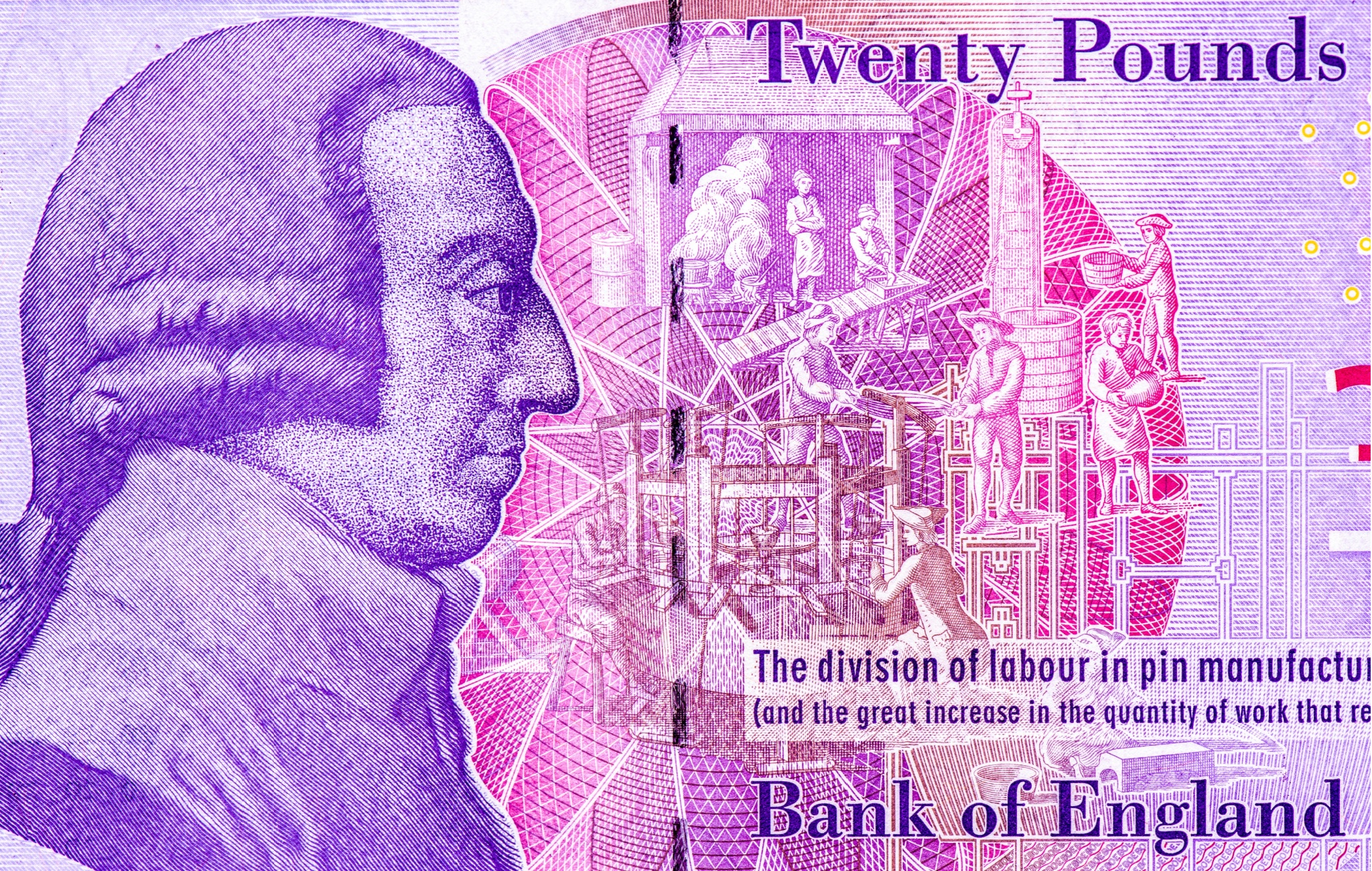
Sabotaging the Invisible Hand: Adam Smith Predicted Modern Policy Failures
Smith observed that significant economic inequalities arise not from voluntary exchange but from distortions that restrict competition, channel resources toward favored interests, and limit economic mobility.
-

•
Stigler’s Blunder: Did a Nobel Laureate Misread Adam Smith?
Smith recognized self-interest and political corruption, but he also believed people could be persuaded. That distinction is lost in modern reductionism.
-
•
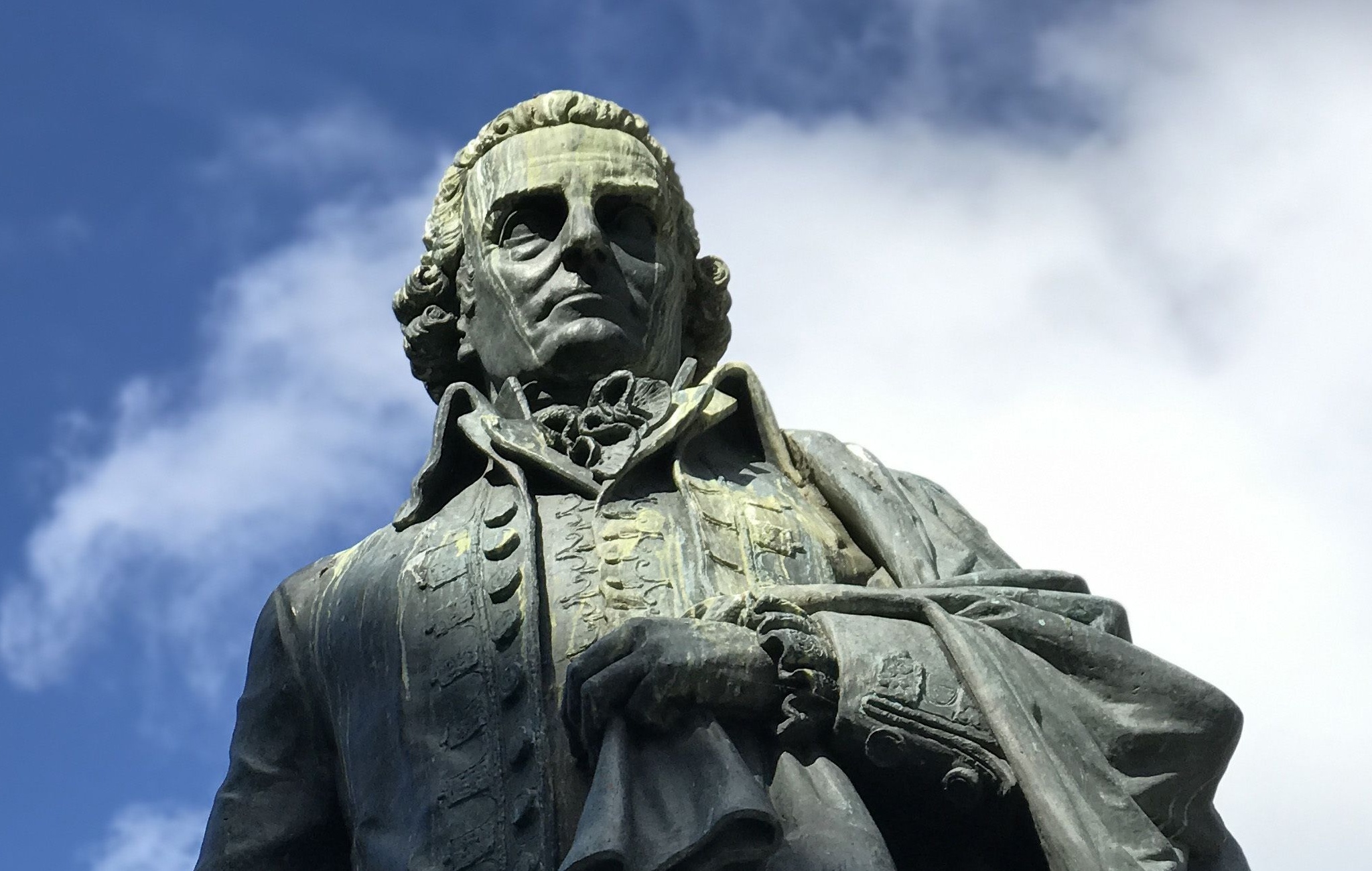
Ten Enduring Lessons from Adam Smith
From technocrats to central planners, the temptation to engineer society persists. Adam Smith saw the dangers clearly.
-

•
The Year of Adam Smith: Why the Savvy Scotsman Remains So Important
Smith’s work shaped modern political economy, and his insights into human cooperation remain as relevant today as they were in 1776.
-
•
Unfinished Republic: What I’m Teaching My Daughter About America’s Founding
Americans fall short of our founding ideal that all are created equal. But reformers have fought ever since to fulfill that promise.
-
•
The American Revolution Redefined Freedom Itself
Since 1776, at least 120 peoples have declared independence, echoing Jefferson’s universal claim about natural rights, self-government, and political legitimacy.
-
•
Thomas Paine’s Challenge to a Complacent America
Paine warned that complacency endangers liberty, and that only when freedom is threatened do people discover whether they are willing to defend it.
-
•
America Doesn’t Need a New East India Company
From semiconductors to artificial intelligence, modern proposals for public ownership risk repeating the mistakes Smith identified 250 years ago.
-
•
The Founders’ Reading List: The Curriculum Behind the Constitution
Lawrence Reed’s latest book reframes the American founding not as a burst of political genius, but as the culmination of generations of reading, debate, and intellectual inheritance.
-
•
Sabotaging the Invisible Hand: Adam Smith Predicted Modern Policy Failures
Smith observed that significant economic inequalities arise not from voluntary exchange but from distortions that restrict competition, channel resources toward favored interests, and limit economic mobility.
-
•
Stigler’s Blunder: Did a Nobel Laureate Misread Adam Smith?
Smith recognized self-interest and political corruption, but he also believed people could be persuaded. That distinction is lost in modern reductionism.
-
•
Ten Enduring Lessons from Adam Smith
From technocrats to central planners, the temptation to engineer society persists. Adam Smith saw the dangers clearly.
-
•
The Year of Adam Smith: Why the Savvy Scotsman Remains So Important
Smith’s work shaped modern political economy, and his insights into human cooperation remain as relevant today as they were in 1776.