
Nikolai G. Wenzel

Associate Research Fellow
Nikolai G. Wenzel is Professor of Economics at Universidad de las Hespérides, where he is the founding director of the MA and PhD in Economics. He is a Research Fellow of the American Institute for Economic Research and the Independent Institute. Dr. Wenzel is a member of the Mont Pelerin Society and the Philadelphia Society.
-

•
Where Have All the Conservatives Gone?
Left and right increasingly compete over how to wield government power rather than whether to limit it. Stephanie Slade’s ‘Fusionism’ asks whether liberty and restraint still have a constituency.
-

•
Hayek’s Dilemma: How Much State Can Liberty Survive?
Even among “sincere friends of freedom,” disagreement over government’s role runs deep. Can a state be big enough to defend liberty without also violating it?
-
•
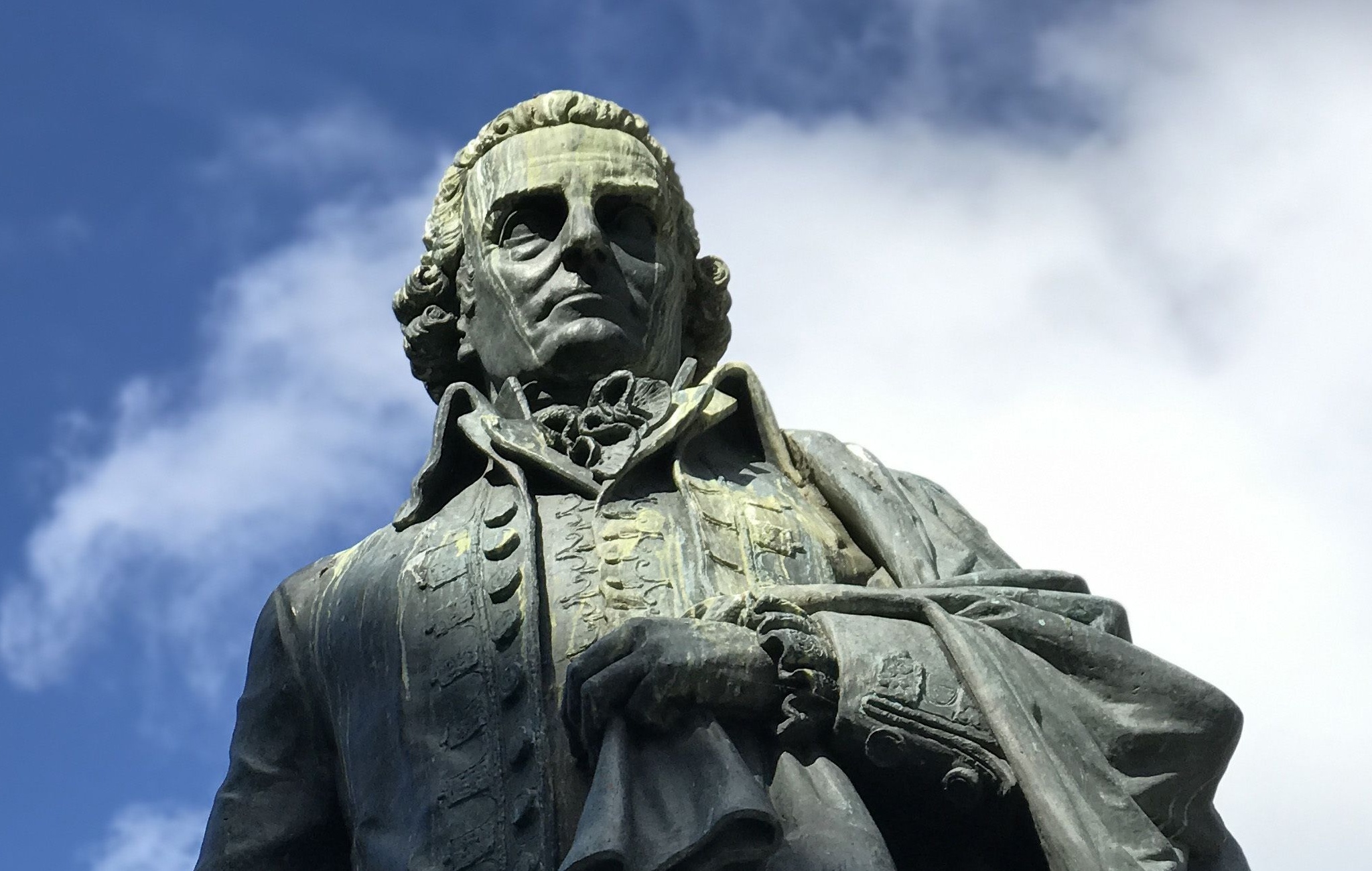
Ten Enduring Lessons from Adam Smith
From technocrats to central planners, the temptation to engineer society persists. Adam Smith saw the dangers clearly.
-

•
Interest Rate Caps Keep Coming Back — Bastiat Explained Why They Fail
Capital loaned out can’t be invested or consumed. Interest compensating the lender is merely “the price of time.”
-

•
A Dream of Freedom: The Enlightenment’s Unfinished Business
The American Founding launched a revolutionary idea: rights exist first, and government exists to secure them. It’s beautiful, transformative… and perpetually unfinished.
-

•
Why I Pledge Allegiance to the Constitution — Not the Flag
The pledge demands patriotic devotion. The skeptical Constitution builds limits on power. Only one protects liberty.
-

•
New York’s Death Wish
History — and a gritty 1970s vigilante flick — offers sobering lessons about what happens when public institutions fail at their most basic task: keeping citizens safe.
-

•
Privacy for the Powerful, Surveillance for the Rest: EU’s Proposed Tech Regulation Goes Too Far
Protecting kids is a weak pretext for total digital surveillance. What’s worse, the EU’s monitoring exempted its own politicians from scrutiny. Their privacy matters, but not yours.
-

•
Argentina’s Midterm Moment: Brave Reform, or Back to Perónism?
Javier Milei’s aggressive reforms have slashed spending, curbed inflation, and reignited growth. Argentina’s midterms will decide whether reform endures.
-

•
80 Years After Total Surrender, Japan’s Strong Institutions Still Deliver
A combination of constitutional and commercial fixtures set Japan up for stability and growth, even as its Southeast Asian neighbors struggled.
-
•
Where Have All the Conservatives Gone?
Left and right increasingly compete over how to wield government power rather than whether to limit it. Stephanie Slade’s ‘Fusionism’ asks whether liberty and restraint still have a constituency.
-
•
Hayek’s Dilemma: How Much State Can Liberty Survive?
Even among “sincere friends of freedom,” disagreement over government’s role runs deep. Can a state be big enough to defend liberty without also violating it?
-
•
Ten Enduring Lessons from Adam Smith
From technocrats to central planners, the temptation to engineer society persists. Adam Smith saw the dangers clearly.
-
•
Interest Rate Caps Keep Coming Back — Bastiat Explained Why They Fail
Capital loaned out can’t be invested or consumed. Interest compensating the lender is merely “the price of time.”
-
•
A Dream of Freedom: The Enlightenment’s Unfinished Business
The American Founding launched a revolutionary idea: rights exist first, and government exists to secure them. It’s beautiful, transformative… and perpetually unfinished.
-
•
Why I Pledge Allegiance to the Constitution — Not the Flag
The pledge demands patriotic devotion. The skeptical Constitution builds limits on power. Only one protects liberty.
-
•
New York’s Death Wish
History — and a gritty 1970s vigilante flick — offers sobering lessons about what happens when public institutions fail at their most basic task: keeping citizens safe.
-
•
Privacy for the Powerful, Surveillance for the Rest: EU’s Proposed Tech Regulation Goes Too Far
Protecting kids is a weak pretext for total digital surveillance. What’s worse, the EU’s monitoring exempted its own politicians from scrutiny. Their privacy matters, but not yours.
-
•
Argentina’s Midterm Moment: Brave Reform, or Back to Perónism?
Javier Milei’s aggressive reforms have slashed spending, curbed inflation, and reignited growth. Argentina’s midterms will decide whether reform endures.
-
•
80 Years After Total Surrender, Japan’s Strong Institutions Still Deliver
A combination of constitutional and commercial fixtures set Japan up for stability and growth, even as its Southeast Asian neighbors struggled.