
Nikolai G. Wenzel

Associate Research Fellow
Nikolai G. Wenzel is Professor of Economics at Universidad de las Hespérides, where he is the founding director of the MA and PhD in Economics. He is a Research Fellow of the American Institute for Economic Research and the Independent Institute. Dr. Wenzel is a member of the Mont Pelerin Society and the Philadelphia Society.
-
•
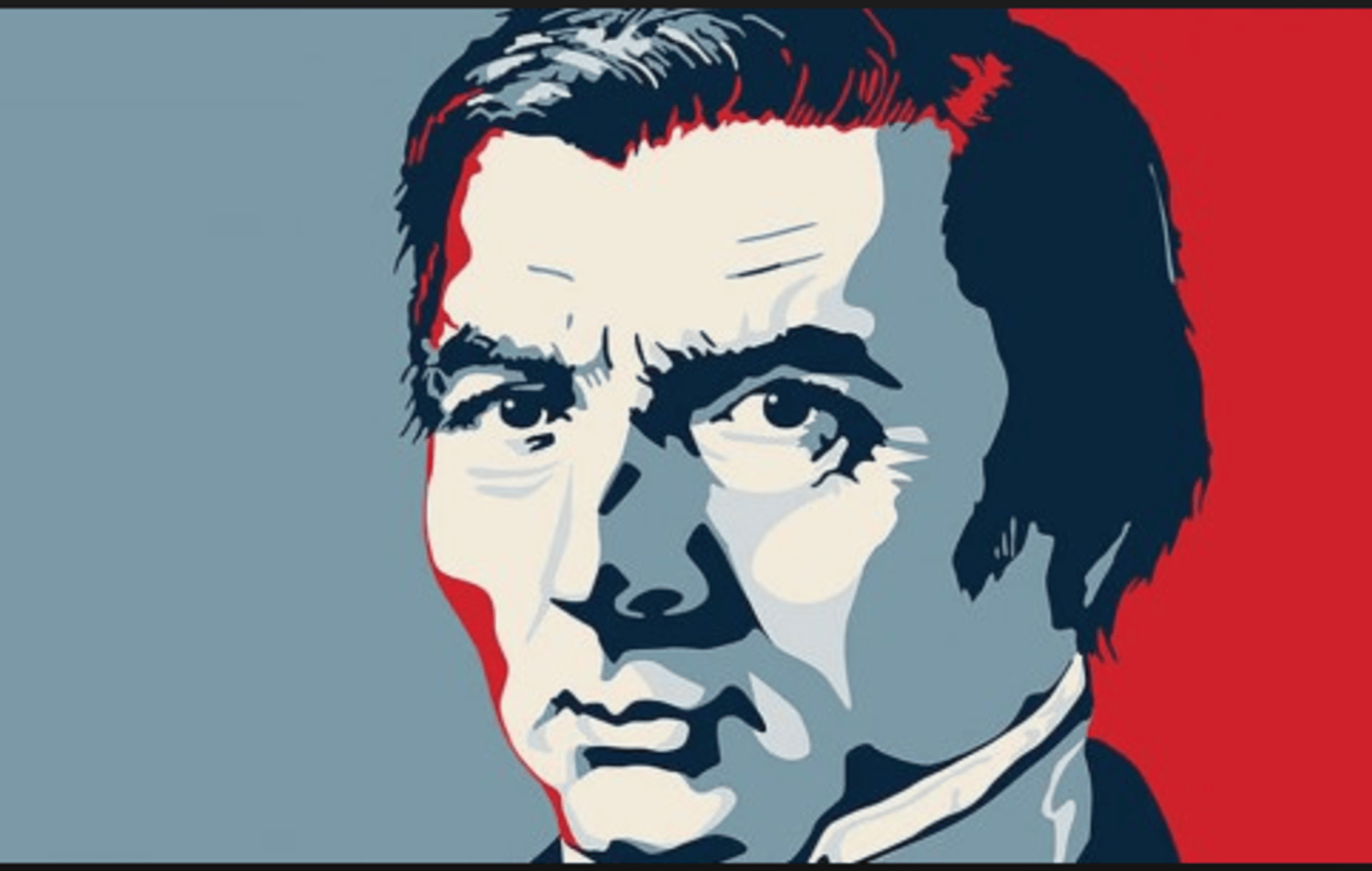
Rediscovering Frédéric Bastiat in an Age of Tariffs
Bastiat’s writing combines campy, folksy stories with blinding economic logic. Even 200 years later, he has much to teach us.
-

•
Relative Drug Pricing is Bad Medicine
Drug price discrepancies reveal the complications of state intervention: quasi-monopoly, patents held hostage, and years-long wait times.
-

•
Pharmaceutical Middlemen Face Lawmaker Scrutiny
More than 25 percent of the federal budget is spent on health care. Endless government intervention, however well-intentioned, rewards lobbyists and distorts markets leaving patients short of options.
-

•
A Roadmap for DOGE’s 30 Percent Budget Cut
Of every dollar in the economy 46 cents are controlled, directly or indirectly, by politicians and bureaucrats. A new department wants to bring that total down.
-

•
In Bolivia, Central Planning Comes Home to Roost
Bolivia has fueled the expansion of its bureaucratic machine with unsustainable debt and intolerable meddling in business affairs.
-

•
More Money Can’t Solve Poverty
“From a high of almost 35 percent after World War Two, the poverty rate had already fallen to 19 percent in 1964. It continued its downward trend over the next few years, then has stagnated between 10 percent and 15 percent ever since.” ~Nikolai Wenzel
-

•
French Exports to Avoid: Wealth Taxes
“Wealth taxes tend to yield low revenue, while dragging down economic growth. But they do make for good politics, especially in election years; envy commands votes.” ~Nikolai Wenzel
-

•
Misunderstanding Poverty: a Review of ‘Second Class’
“Frédéric Bastiat famously warned against economic sophisms, the facile myths around free trade and economic policy… Alas, Batya Ungar-Sargon is not even a bad economist.” ~Nikolai Wenzel
-

•
Lessons from the European Legislative Elections
“The prospects for market liberalization in the EU aren’t good. We can expect more business as usual, if with some important marginal cuts (notably on the EU’s aggressive and expensive environmental agenda).” ~Nikolai Wenzel
-

•
Communism’s Routine Evil: East German Edition
“Hoyer attempts to provide a sympathetic reading of an alternative to capitalism – one that engaged in brutality, sure, but made such wonderful strides for inequality, women, and workers, and in which individuals did make their way and find meaning. In doing so, she ignores one big problem: the bodies.” ~Nikolai Wenzel
-
•
Rediscovering Frédéric Bastiat in an Age of Tariffs
Bastiat’s writing combines campy, folksy stories with blinding economic logic. Even 200 years later, he has much to teach us.
-
•
Relative Drug Pricing is Bad Medicine
Drug price discrepancies reveal the complications of state intervention: quasi-monopoly, patents held hostage, and years-long wait times.
-
•
Pharmaceutical Middlemen Face Lawmaker Scrutiny
More than 25 percent of the federal budget is spent on health care. Endless government intervention, however well-intentioned, rewards lobbyists and distorts markets leaving patients short of options.
-
•
A Roadmap for DOGE’s 30 Percent Budget Cut
Of every dollar in the economy 46 cents are controlled, directly or indirectly, by politicians and bureaucrats. A new department wants to bring that total down.
-
•
In Bolivia, Central Planning Comes Home to Roost
Bolivia has fueled the expansion of its bureaucratic machine with unsustainable debt and intolerable meddling in business affairs.
-
•
More Money Can’t Solve Poverty
“From a high of almost 35 percent after World War Two, the poverty rate had already fallen to 19 percent in 1964. It continued its downward trend over the next few years, then has stagnated between 10 percent and 15 percent ever since.” ~Nikolai Wenzel
-
•
French Exports to Avoid: Wealth Taxes
“Wealth taxes tend to yield low revenue, while dragging down economic growth. But they do make for good politics, especially in election years; envy commands votes.” ~Nikolai Wenzel
-
•
Misunderstanding Poverty: a Review of ‘Second Class’
“Frédéric Bastiat famously warned against economic sophisms, the facile myths around free trade and economic policy… Alas, Batya Ungar-Sargon is not even a bad economist.” ~Nikolai Wenzel
-
•
Lessons from the European Legislative Elections
“The prospects for market liberalization in the EU aren’t good. We can expect more business as usual, if with some important marginal cuts (notably on the EU’s aggressive and expensive environmental agenda).” ~Nikolai Wenzel
-
•
Communism’s Routine Evil: East German Edition
“Hoyer attempts to provide a sympathetic reading of an alternative to capitalism – one that engaged in brutality, sure, but made such wonderful strides for inequality, women, and workers, and in which individuals did make their way and find meaning. In doing so, she ignores one big problem: the bodies.” ~Nikolai Wenzel