
Edward Stringham
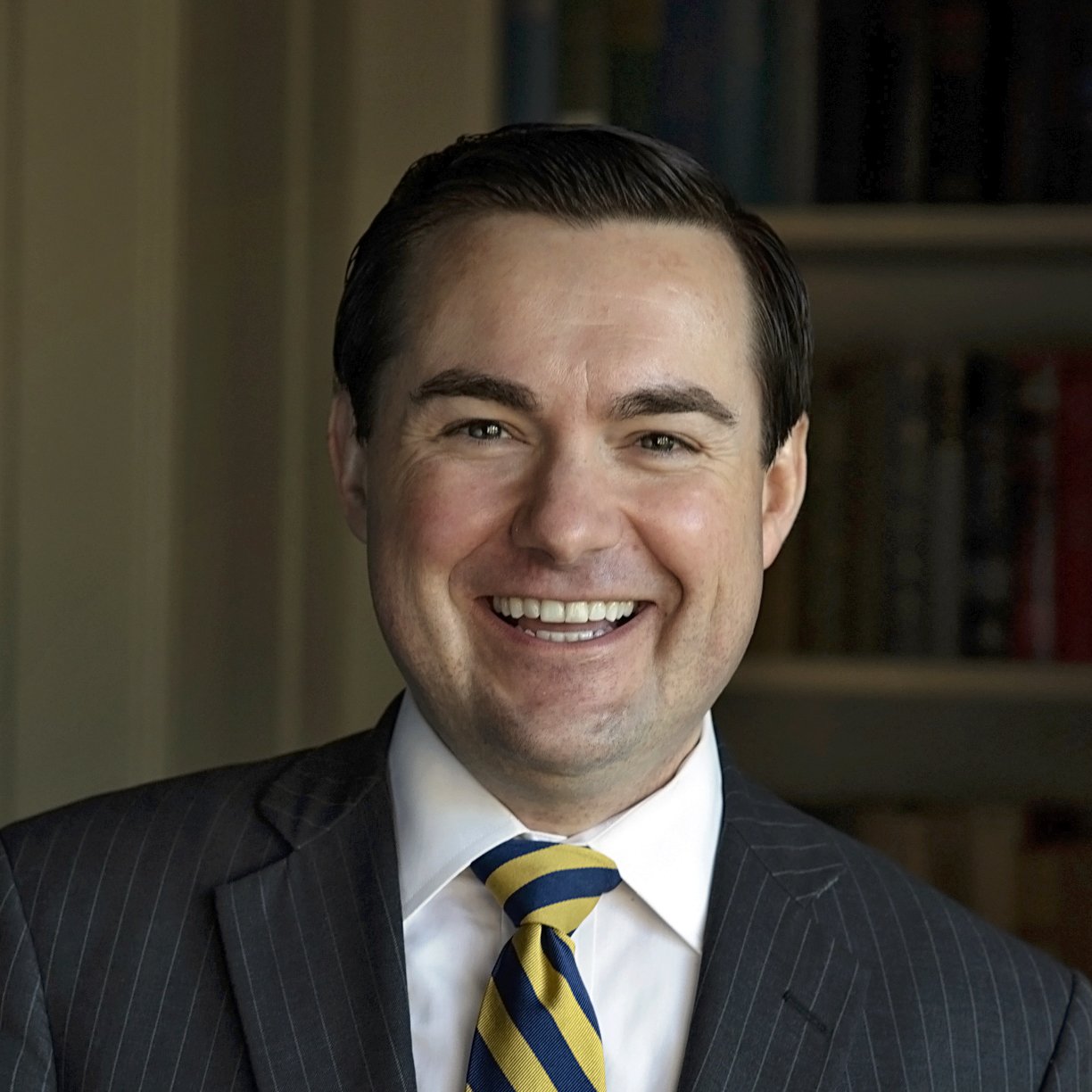
President 2017-2021
Edward Peter Stringham is the Davis Professor of Economic Organizations and Innovation at Trinity College, and Editor of the Journal of Private Enterprise. Stringham served as the President of the American Institute for Economic Research. He is editor of two books and author of more than 70 journal articles, book chapters, and policy studies. His work has been discussed in 15 of the top 20 newspapers in the United States and on more than 100 broadcast stations including MTV. Stringham is a frequent guest on BBC World, Bloomberg Television, CNBC, and Fox. Rise Global ranks Stringham as one of the top 100 most influential economists in the world.
He earned his B.A. from College of the Holy Cross in 1997, his Ph.D. from George Mason University in 2002. His book, Private Governance: Creating Order in Economic and Social Life, is published by Oxford University Press.
Books by Edward Peter Stringham

-

•
How to Get Americans Off unemployment Amid the Virus (Video)
“I was happy to discuss with Neil Cavuto the ridiculous amount of money the federal government has spent to combat the economic impact of the coronavirus and the long-term impact of this spending on employment and fiscal health.” ~Edward Peter Stringham
-

•
Why We Should Not Be Concerned About Increasing Covid-19 Cases in Texas
“That increased testing means we are discovering more young and healthy people with COVID-19 should not be surprising or alarming in the slightest. The hospitals are under financial pressure from having to mostly stop doing business for months, so they are classifying as many people as possible as a COVID case in order to gain…
-

•
Again, What Were the Benefits of Locking Down?
“With the evidence coming in that the lockdowns were neither economically nor medically effective, it is going to be increasingly difficult for lockdown partisans to marshal the evidence to convince the public that isolating people, destroying businesses, and destroying social institutions was worth it.” ~ Edward Stringham
-

•
Doubts About Contact Tracing
“Contact tracing might make sense for certain diseases. But it turns out that there is no evidence that this novel coronavirus can be contained by contact tracing. Let us consider some of the articles on this topic.” ~ Edward Stringham
-
•
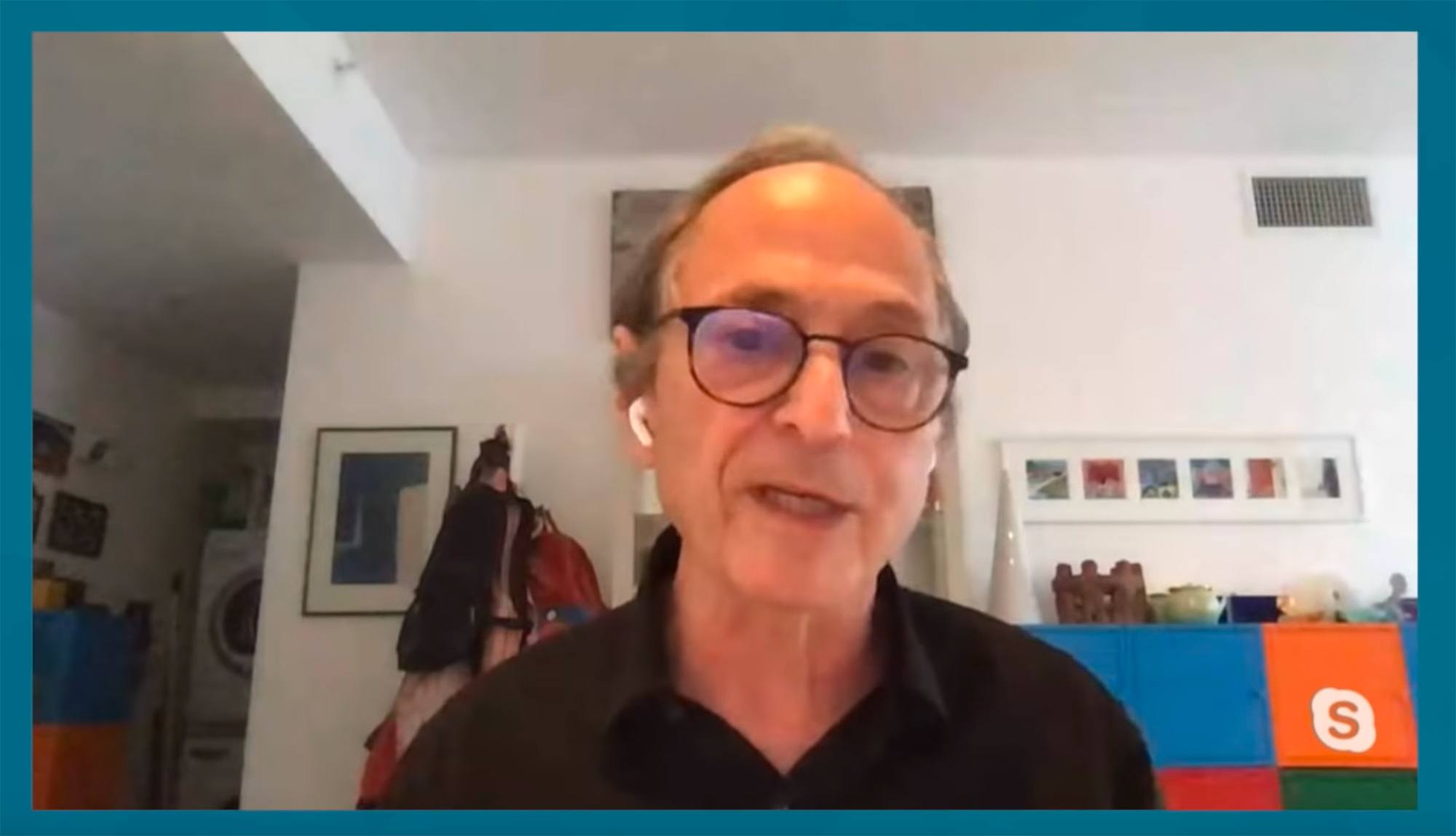
Nobel Laureate Michael Levitt on the Lockdowns: “I think it is a huge mistake”
“Michael Levitt is Professor of computer science and structural biology at Stanford Medical School and winner of the 2013 Nobel Prize in chemistry. He has been a close observer of the pandemic and the response from the outset through its movement to Europe, the U.K., and the U.S..” ~ Edward Stringham
-
•
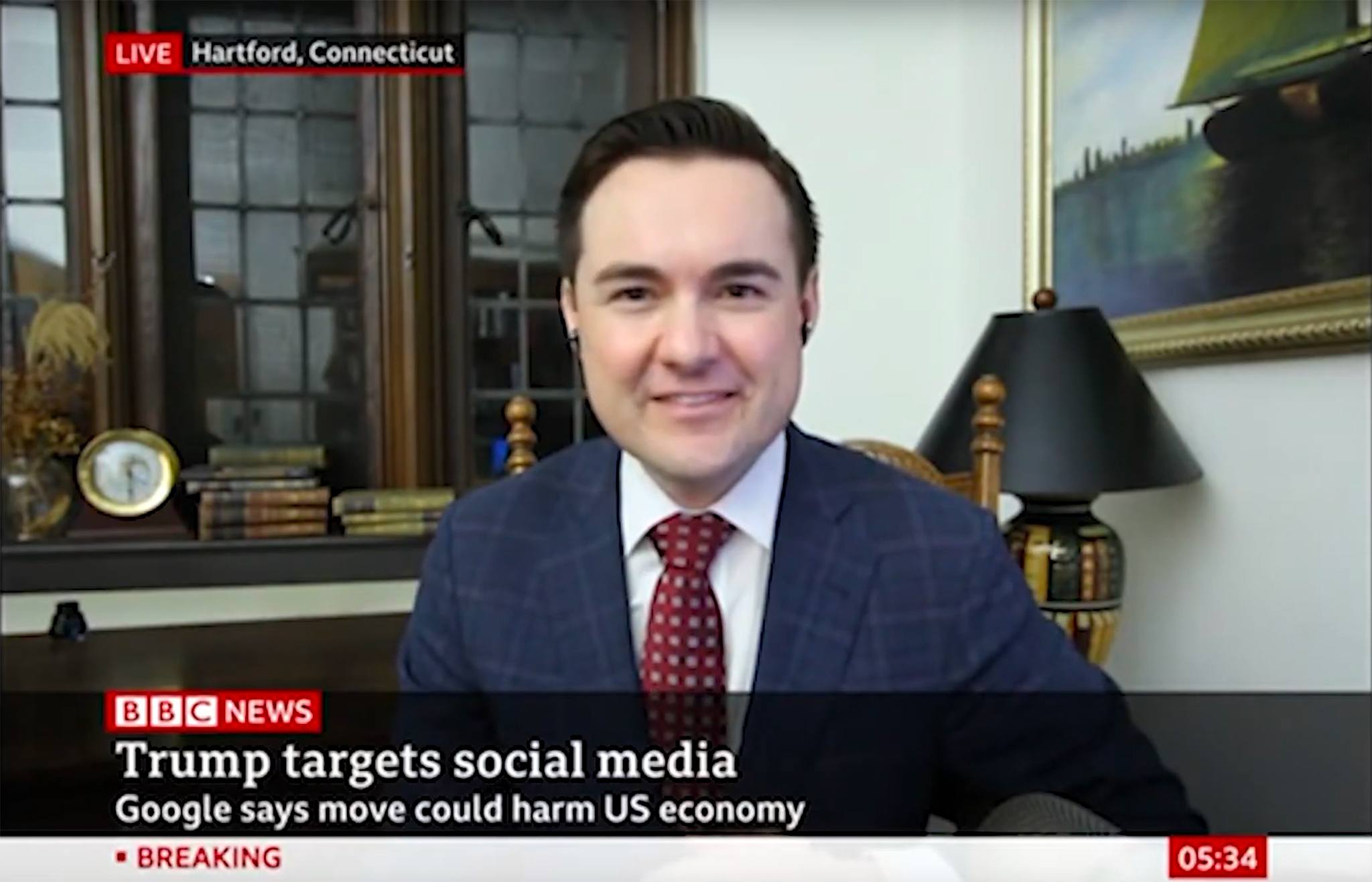
Government Controls Will Worsen the Social Media Problem (Video)
“I appeared on the BBC to discuss the huge problems of social media and why Trump’s executive order can only make matters worse. What we need are fewer controls, not more, and a restoration of the original idea of the Internet as a free marketplace of ideas.” ~ Edward Stringham
-
•
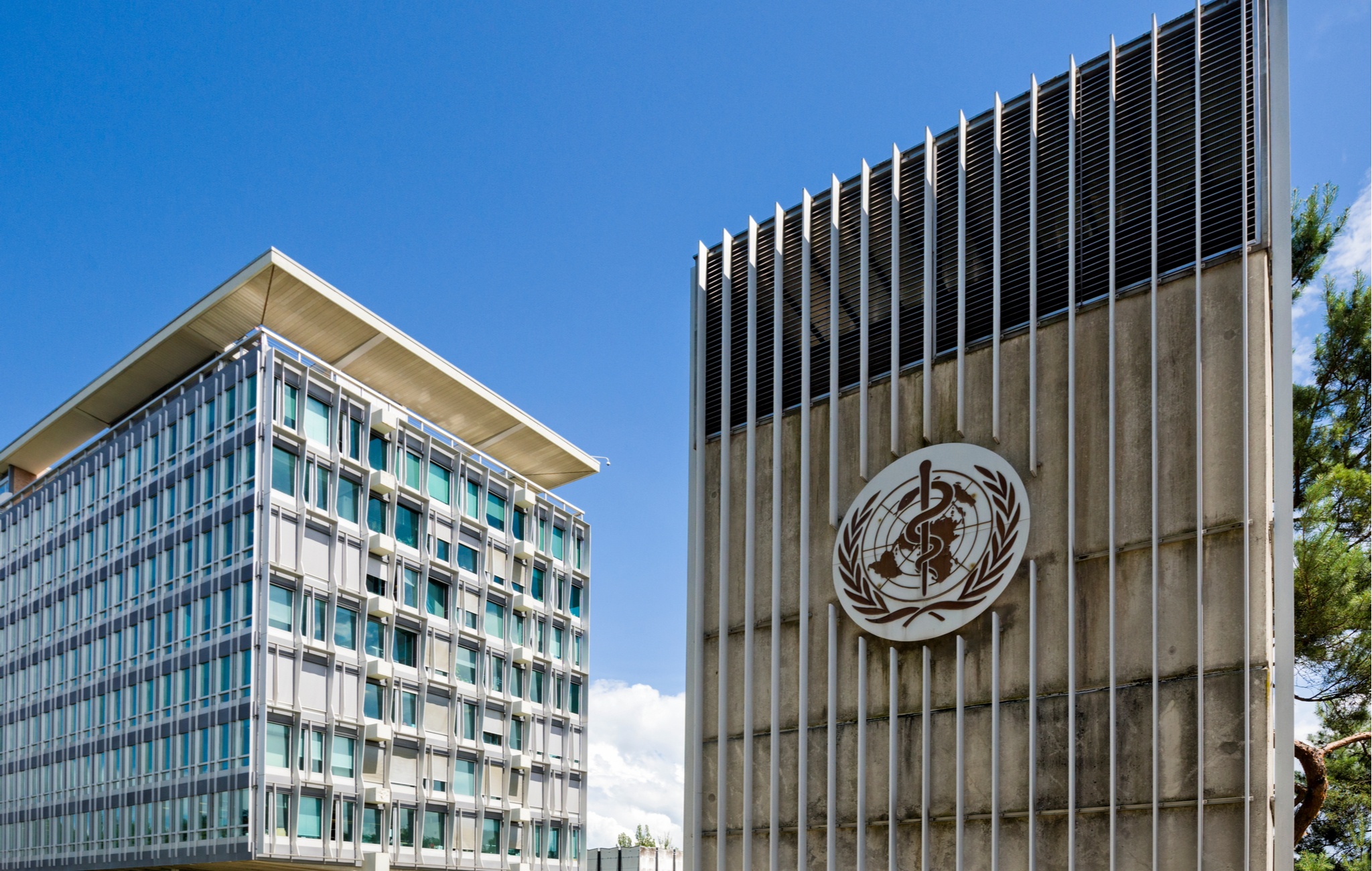
The World Health Organization Was Against Quarantines Only Last Year
“The real problem is epistemic: who is to decide what is normal, mild, moderate, or severe pandemic? Leave that decision to politicians and bureaucrats, and you have a problem. They do not know, and, as we’ve seen, immediately adopt the most extreme measures and go beyond them.” ~ Edward Peter Stringham
-

•
How a Free Society Deals with Pandemics, According to Legendary Epidemiologist and Smallpox Eradicator Donald Henderson
“We have a very thin record of writings that make the case that freedom, market forces, and private governance are better than government quarantines and closures in dealing with pandemics. So where do we turn for better arguments and a better case?” ~ Edward Stringham
-

•
Was Lockdown Architect and Theoretical Physicist Neil Ferguson Morally Right To Defy the Lockdown?
On May 5, 2020, Ferguson resigned from the Scientific Advisory Group for Emergencies after openly defying the lockdown multiple times in March and April.
-

•
A Tribute to the Wall Street Journal’s Editorial Page
After all this is ended and we are left with the wreckage, and huge questions about why the U.S. followed the path of lockdown rather than allowing the medical system and individuals primary responsibility for disease mitigation, the Journal will be seen as a heroic voice in the midst of disaster.
-
•
How to Get Americans Off unemployment Amid the Virus (Video)
“I was happy to discuss with Neil Cavuto the ridiculous amount of money the federal government has spent to combat the economic impact of the coronavirus and the long-term impact of this spending on employment and fiscal health.” ~Edward Peter Stringham
-
•
Why We Should Not Be Concerned About Increasing Covid-19 Cases in Texas
“That increased testing means we are discovering more young and healthy people with COVID-19 should not be surprising or alarming in the slightest. The hospitals are under financial pressure from having to mostly stop doing business for months, so they are classifying as many people as possible as a COVID case in order to gain…
-
•
Again, What Were the Benefits of Locking Down?
“With the evidence coming in that the lockdowns were neither economically nor medically effective, it is going to be increasingly difficult for lockdown partisans to marshal the evidence to convince the public that isolating people, destroying businesses, and destroying social institutions was worth it.” ~ Edward Stringham
-
•
Doubts About Contact Tracing
“Contact tracing might make sense for certain diseases. But it turns out that there is no evidence that this novel coronavirus can be contained by contact tracing. Let us consider some of the articles on this topic.” ~ Edward Stringham
-
•
Nobel Laureate Michael Levitt on the Lockdowns: “I think it is a huge mistake”
“Michael Levitt is Professor of computer science and structural biology at Stanford Medical School and winner of the 2013 Nobel Prize in chemistry. He has been a close observer of the pandemic and the response from the outset through its movement to Europe, the U.K., and the U.S..” ~ Edward Stringham
-
•
Government Controls Will Worsen the Social Media Problem (Video)
“I appeared on the BBC to discuss the huge problems of social media and why Trump’s executive order can only make matters worse. What we need are fewer controls, not more, and a restoration of the original idea of the Internet as a free marketplace of ideas.” ~ Edward Stringham
-
•
The World Health Organization Was Against Quarantines Only Last Year
“The real problem is epistemic: who is to decide what is normal, mild, moderate, or severe pandemic? Leave that decision to politicians and bureaucrats, and you have a problem. They do not know, and, as we’ve seen, immediately adopt the most extreme measures and go beyond them.” ~ Edward Peter Stringham
-
•
How a Free Society Deals with Pandemics, According to Legendary Epidemiologist and Smallpox Eradicator Donald Henderson
“We have a very thin record of writings that make the case that freedom, market forces, and private governance are better than government quarantines and closures in dealing with pandemics. So where do we turn for better arguments and a better case?” ~ Edward Stringham
-
•
Was Lockdown Architect and Theoretical Physicist Neil Ferguson Morally Right To Defy the Lockdown?
On May 5, 2020, Ferguson resigned from the Scientific Advisory Group for Emergencies after openly defying the lockdown multiple times in March and April.
-
•
A Tribute to the Wall Street Journal’s Editorial Page
After all this is ended and we are left with the wreckage, and huge questions about why the U.S. followed the path of lockdown rather than allowing the medical system and individuals primary responsibility for disease mitigation, the Journal will be seen as a heroic voice in the midst of disaster.