
J.P. Koning

Fellow, Sound Money Project
J.P. Koning is a financial writer and blogger with interests in monetary economics, economic history, finance, and fintech. He has worked as an equity researcher at a Canadian brokerage firm and a financial writer and publisher at a large Canadian bank. More recently, he has written several papers for R3, a distributed ledger company, on the topics of central bank cryptocurrency and cross border payments. He founded the popular blog Moneyness in 2012. He designs economics and financial wallcharts at Financial Graph & Art.
Koning earned his B.A. in Economics from McGill University.
-

•
Nigeria’s Cash Tax Is a Bad Idea
Nigeria is one of Africa’s most influential nations. But other African countries should think twice before emulating its costly cash policy.
-
•
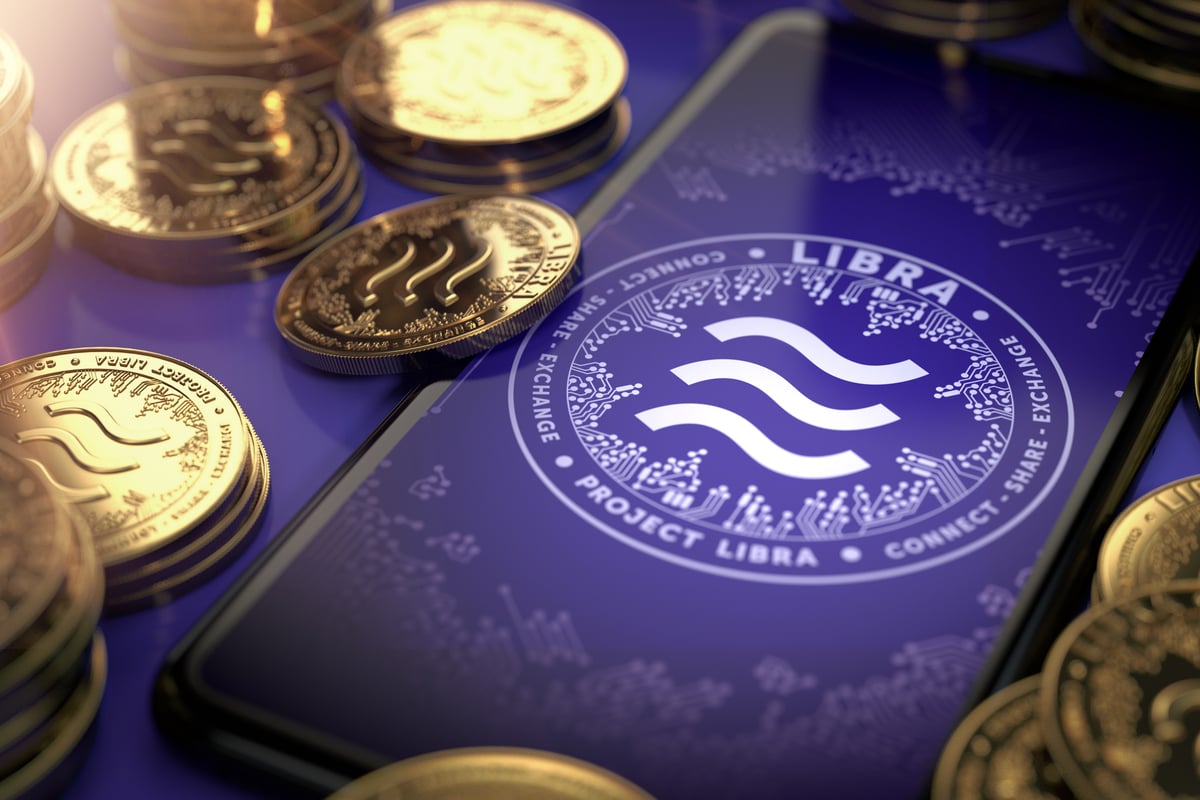
Does Libra Threaten Monetary Sovereignty?
There is no inherent reason that a global payments system run by technology companies must elide national regulations. If PayPal manages to serve a global community while complying with the rules of all the countries in which it operates, can’t Libra do the same?
-
•
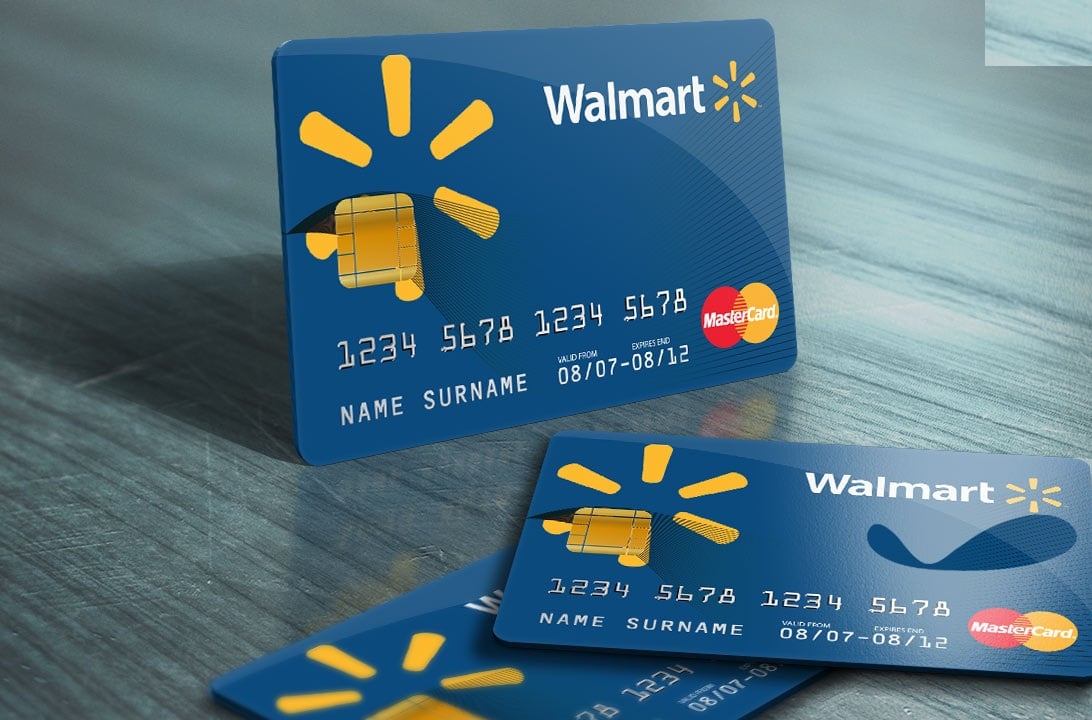
Don’t Say Unbanked; Say Differently Banked
Prepaid debit cards issued by retailers like Walmart, the federal government, and banks like Green Dot and Comerica are providing unbanked Americans with a different but fully functional and cost-effective connection to the national payments system.
-

•
Who Should Provide Central Bank Digital Currency?
I can think of just one reason why a central bank might want to get into the business of issuing digital currency: to provide privacy. Regulations prevent that.
-

•
Is It True That the Government Can Spend Before Taxing?
Whether the renegade claim is true depends on how you choose to define the word “government.”
-

•
To Save Cash from Extinction, Consider Banknote Lotteries
Cash’s usage in payments has been steadily declining as a percentage of all payments, especially in the developed world. Given the list of cash’s advantages, it’s probably worth the effort of protecting this grungy and unsexy payments option. But what can we do?
-

•
Will Money and Finance Keep Decentralizing or Not?
What decentralized finance really needs is something entirely new. Something that regular finance can’t replicate. Something so useful that regular consumers will desert their bank to use it. This killer tool hasn’t been created.
-

•
The Rise of the Shotgun Banknote Switch
In times past the monetary authorities confined these sorts of stringent measures to war-time. Perhaps they should stay that way.
-

•
Cryptocurrencies, Meet the Financial Action Task Force
Cryptocurrencies are a different sort of financial technology from bank deposits, yet they are being shoehorned into the same category for regulatory purposes.
-

•
The Fed Wants to Close the Window on Narrow Banks
A new type of financial institution could take root in the U.S. But the Federal Reserve seems determined to prevent this from happening.
-
•
Nigeria’s Cash Tax Is a Bad Idea
Nigeria is one of Africa’s most influential nations. But other African countries should think twice before emulating its costly cash policy.
-
•
Does Libra Threaten Monetary Sovereignty?
There is no inherent reason that a global payments system run by technology companies must elide national regulations. If PayPal manages to serve a global community while complying with the rules of all the countries in which it operates, can’t Libra do the same?
-
•
Don’t Say Unbanked; Say Differently Banked
Prepaid debit cards issued by retailers like Walmart, the federal government, and banks like Green Dot and Comerica are providing unbanked Americans with a different but fully functional and cost-effective connection to the national payments system.
-
•
Who Should Provide Central Bank Digital Currency?
I can think of just one reason why a central bank might want to get into the business of issuing digital currency: to provide privacy. Regulations prevent that.
-
•
Is It True That the Government Can Spend Before Taxing?
Whether the renegade claim is true depends on how you choose to define the word “government.”
-
•
To Save Cash from Extinction, Consider Banknote Lotteries
Cash’s usage in payments has been steadily declining as a percentage of all payments, especially in the developed world. Given the list of cash’s advantages, it’s probably worth the effort of protecting this grungy and unsexy payments option. But what can we do?
-
•
Will Money and Finance Keep Decentralizing or Not?
What decentralized finance really needs is something entirely new. Something that regular finance can’t replicate. Something so useful that regular consumers will desert their bank to use it. This killer tool hasn’t been created.
-
•
The Rise of the Shotgun Banknote Switch
In times past the monetary authorities confined these sorts of stringent measures to war-time. Perhaps they should stay that way.
-
•
Cryptocurrencies, Meet the Financial Action Task Force
Cryptocurrencies are a different sort of financial technology from bank deposits, yet they are being shoehorned into the same category for regulatory purposes.
-
•
The Fed Wants to Close the Window on Narrow Banks
A new type of financial institution could take root in the U.S. But the Federal Reserve seems determined to prevent this from happening.