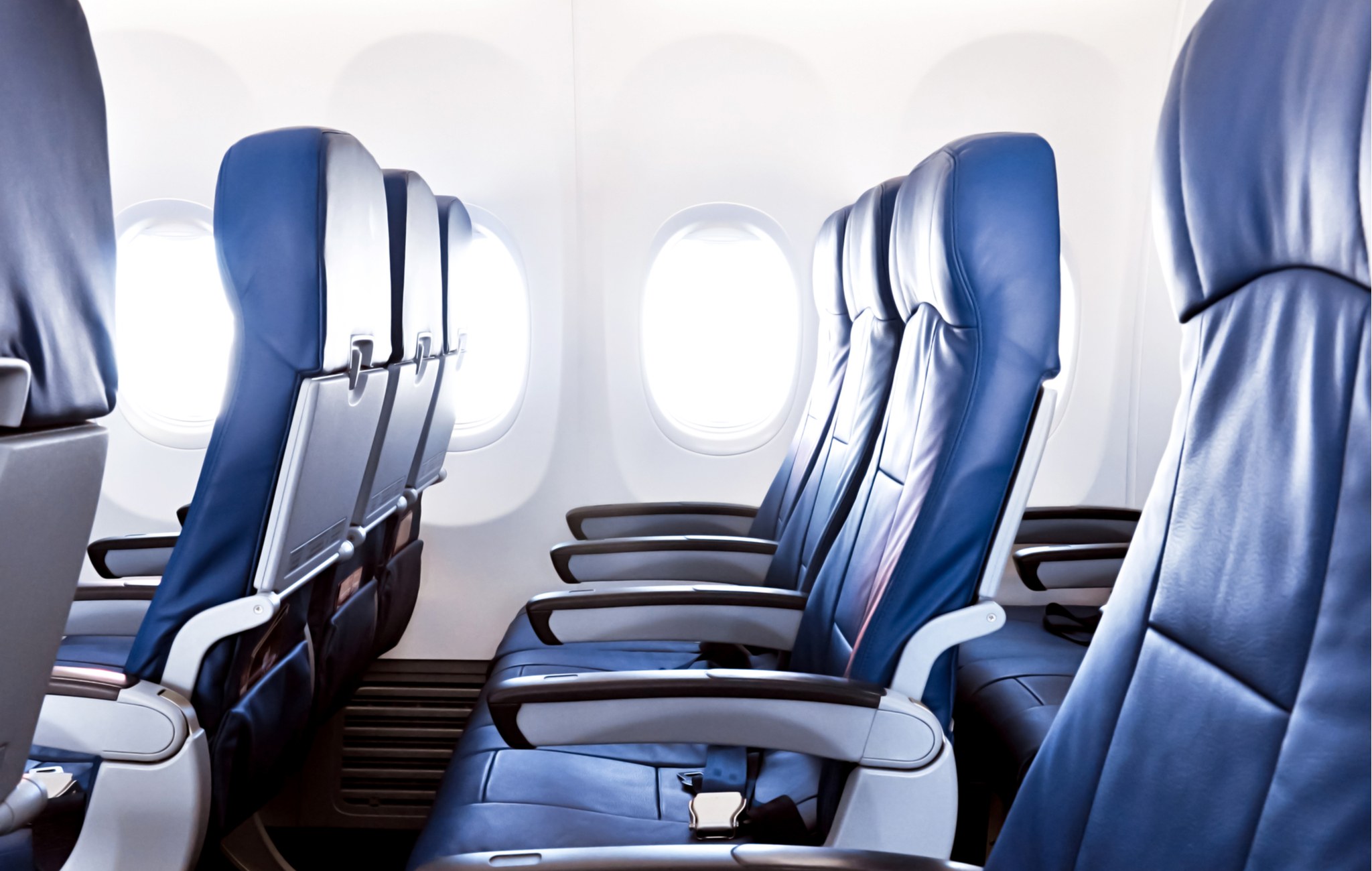
I have traveled so much over the last few months that I’m recognized at the Delta check-in counter at the Birmingham airport. This travel has given me ample time to think about what airlines owe their customers. Airlines take flak periodically when they try to charge extremely obese passengers for two seats, and I have some notes I made years ago when there was a similar dust-up about leg room (or the lack of it) for tall passengers. As a tall guy (about 6’5”), I know the discomfort of sharing a row with another big passenger. Isn’t it outrageous that they cram us into those tiny seats to increase their profits? Don’t the airlines owe us comfortable rides?
No and no. It’s clear when we ask what airlines would have to give up. It might seem callous to write, “Big passengers who value comfort could pay to sit in first class or the ‘comfort’ seats.” We did not choose to be this way, however. Why should the big and the tall pay more, especially when we are that way through no fault of our own?
The answer is pretty simple: It costs more to serve big-and-tall passengers. It’s not because we ask for a refill on coffee (which I do), or because we take too many snacks. We cost more because we take up more room. An obese passenger spilling over into the next seat so much that no one can sit there costs the airline the revenue they would have enjoyed by selling the seat to another passenger. I don’t see how this is fair to the workers and shareholders who rely on the airline’s prosperity for income. A single obese passenger taking up two seats for which passengers would pay $500 each costs $1,000—the airline’s revenue from selling tickets to someone else– to accommodate. It might be an injustice in a cosmic sense, but it’s unclear why this is the other passengers’ problem.
Legroom is like that, too. Airlines could offer more legroom, but they would have fewer seats per plane if they did. The revenue they would have to give up to provide the more comfortable seats is the cost of accommodating taller passengers. But again, it’s not clear why my height (and girth, truth be told) are the responsibility of teachers in California whose pension funds might own Delta stock. Should they accept lower profits and less-comfortable retirements because I want more legroom?
Let’s come back to “If you want it, pay for it” because it illustrates how people respect one another’s choices in free markets. Airlines offer more legroom and wider seats for people willing to pay for them. But time and again we passengers reveal through our choices that we’re not willing. If I wanted to guarantee myself a lot of space, I could do so by booking a seat in first class or Comfort+. I usually don’t do this, though. Instead, I pay the basic economy fare and essentially enter into a lottery where, because I fly Delta pretty regularly, I occasionally get bumped up to Comfort+ or first class. I could pay for guaranteed legroom, but I’m not usually willing to. I grumble when I fold myself into a tiny seat with no legroom next to someone my size. I remind myself, however, that I could have paid a little extra to be more comfortable but decided I preferred other things instead.
Why isn’t travel more comfortable when it easily could be? Simple: Passengers aren’t willing to pay for it. By offering bigger seats and more legroom, airlines are essentially asking if we’re ready to cover the cost of providing the additional comfort. When we choose cheaper, less comfortable economy class seats, we’re saying “No, thank you.”
Share This Article

Post on Facebook

Post on X

Print Article

Email Article