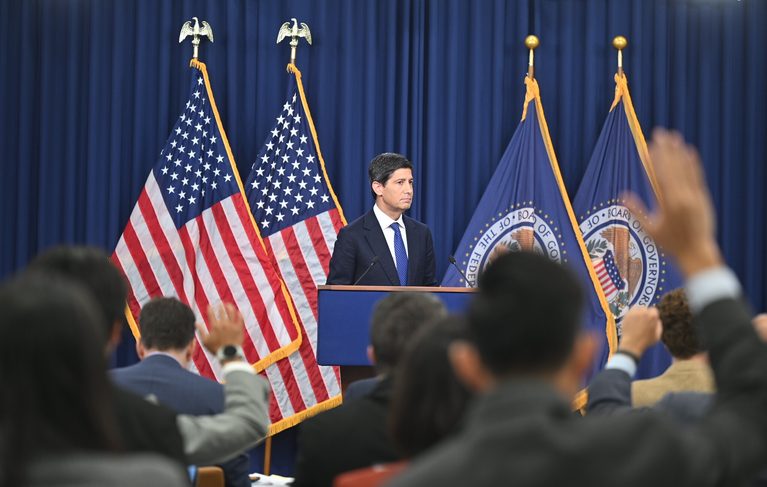
In an op-ed for the Wall Street Journal, Fed Chairman Ben Bernanke commented on his “exit strategy”. There is a large amount of money floating around in the economy, and the Fed is finally starting to worry about it. Thus far, banks have held back the flow by keeping high reserves, but as Bernanke says in his statement, “as the economy recovers, banks should find more opportunities to lend out their reserves. That would produce faster growth in broad money (for example, M1 or M2) and easier credit conditions, which could ultimately result in inflationary pressures—unless we adopt countervailing policy measures.”
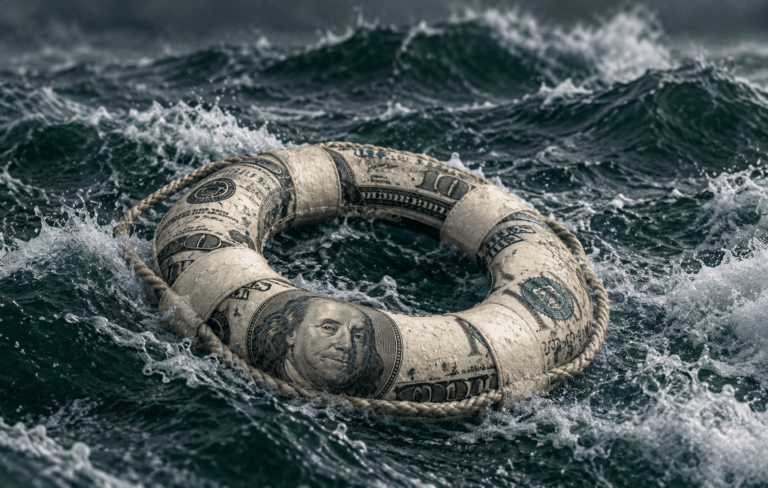
Since the financial crisis began, the Fed and the Treasury have been dumping money onto the economy in an attempt to “jumpstart” it. What they have managed to do so far is to depress interest rates to new lows, “save” businesses at tax payers’ expense and threaten the economy with higher inflation, with all of this leading to a substantial devaluation of the dollar or even another, greater bursting of the bubble in the future.
While an “exit strategy” may be an important thing to have at the moment, perhaps the Fed should show better discretion before using its entrance strategy. Had they not confused the market signals that led up to the current problem, there would need (real or imagined) for them to rush to the rescue with such extreme measures. So far the tactic has seemed to be: Create a problem, create another problem to fix the first, and then try again. Perhaps it’s time for a new strategy: Leave it alone when you don’t know what you’re doing.
Sound Money Fellow
Atlas Economic Research Foundation
Share This Article

Post on Facebook

Post on X

Print Article

Email Article