
Education
-

•
The Academic Truce Has Crumbled
In the late 1960s academia, and particularly the humanities, began to embrace a variety of political causes and incorporate them more overtly into their scholarship. This shift coincided with curricular and intellectual developments that re-envisioned the educator as an activist and tasked him with the pursuit of normative scholarship, typically in service of progressive causes…
-

•
There Need Not Be a Great Confrontation with China
American businesses plainly see in China what the chattering classes don’t.
-

•
Favoritism Trumps Scholarship in Academic Hiring
My friend’s letter captures the essential reason why higher education today provides students with relatively low value, i.e., high cost for the minimal skills created: many colleges and universities reward conformity instead of productivity, and collegiality over competition.
-
•
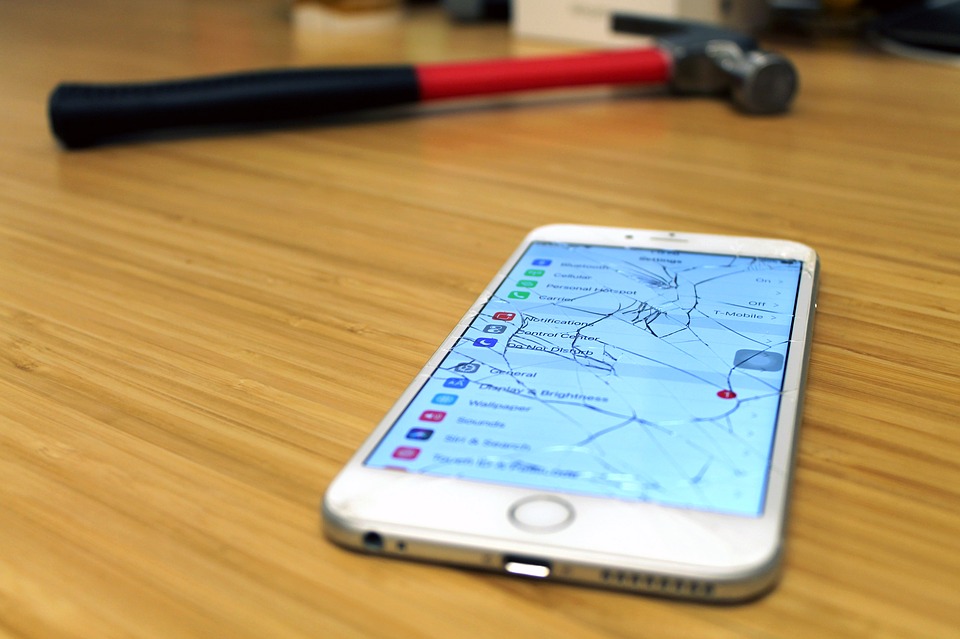
How Twitter is Corrupting the History Profession
Social media once held great promise as a means of facilitating scholarly exchange. Unfortunately, academics themselves are becoming some of its worst actors.
-

•
Want to End Book-Selling Scams? Stop Relying on Copyrights
Outdated intellectual property (IP) laws severely restrict the production of books and material that should be easily accessible to the public.
-

•
There’s a Growing Number of College Graduates Owing Nearly Half a Million Dollars
As politicians continue to promise privileges in exchange for votes, by telling Americans they have a “right” to education, we forget to see this problem for what it is: the result of a lack of personal responsibility.
-

•
Democrats Want to “Fix” Student-Loan Crisis by Exacerbating It
With more student forgiveness and “free college” policies in-store, presidential candidates are sure to make a government-created mess a catastrophe.
-

•
How a Leftist Echo Chamber Became the New Norm on Campus
A new study of student attitudes about socialism and capitalism provides strong confirmation of the echo chamber effect taking hold in the humanities.
-

•
How Universities Misuse Donor Dollars
A philanthropist donated $5 million to create professorships in Austrian economics. The university used it to hire faculty in other fields.
-
•
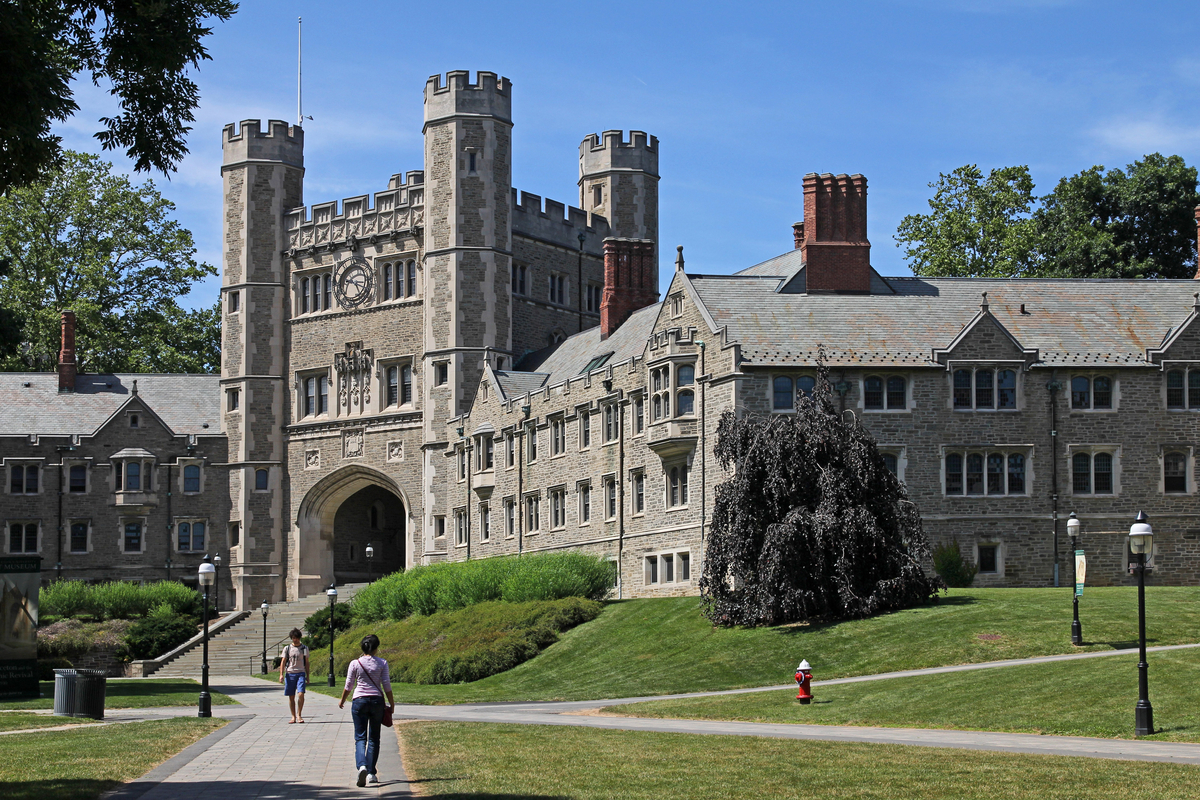
Student Loan Forgiveness Is Bad Policy
The benefits of higher education fall almost entirely on the recipient. So should the costs.
-
•
The Academic Truce Has Crumbled
In the late 1960s academia, and particularly the humanities, began to embrace a variety of political causes and incorporate them more overtly into their scholarship. This shift coincided with curricular and intellectual developments that re-envisioned the educator as an activist and tasked him with the pursuit of normative scholarship, typically in service of progressive causes…
-
•
There Need Not Be a Great Confrontation with China
American businesses plainly see in China what the chattering classes don’t.
-
•
Favoritism Trumps Scholarship in Academic Hiring
My friend’s letter captures the essential reason why higher education today provides students with relatively low value, i.e., high cost for the minimal skills created: many colleges and universities reward conformity instead of productivity, and collegiality over competition.
-
•
How Twitter is Corrupting the History Profession
Social media once held great promise as a means of facilitating scholarly exchange. Unfortunately, academics themselves are becoming some of its worst actors.
-
•
Want to End Book-Selling Scams? Stop Relying on Copyrights
Outdated intellectual property (IP) laws severely restrict the production of books and material that should be easily accessible to the public.
-
•
There’s a Growing Number of College Graduates Owing Nearly Half a Million Dollars
As politicians continue to promise privileges in exchange for votes, by telling Americans they have a “right” to education, we forget to see this problem for what it is: the result of a lack of personal responsibility.
-
•
Democrats Want to “Fix” Student-Loan Crisis by Exacerbating It
With more student forgiveness and “free college” policies in-store, presidential candidates are sure to make a government-created mess a catastrophe.
-
•
How a Leftist Echo Chamber Became the New Norm on Campus
A new study of student attitudes about socialism and capitalism provides strong confirmation of the echo chamber effect taking hold in the humanities.
-
•
How Universities Misuse Donor Dollars
A philanthropist donated $5 million to create professorships in Austrian economics. The university used it to hire faculty in other fields.
-
•
Student Loan Forgiveness Is Bad Policy
The benefits of higher education fall almost entirely on the recipient. So should the costs.