
Healthcare
-
•
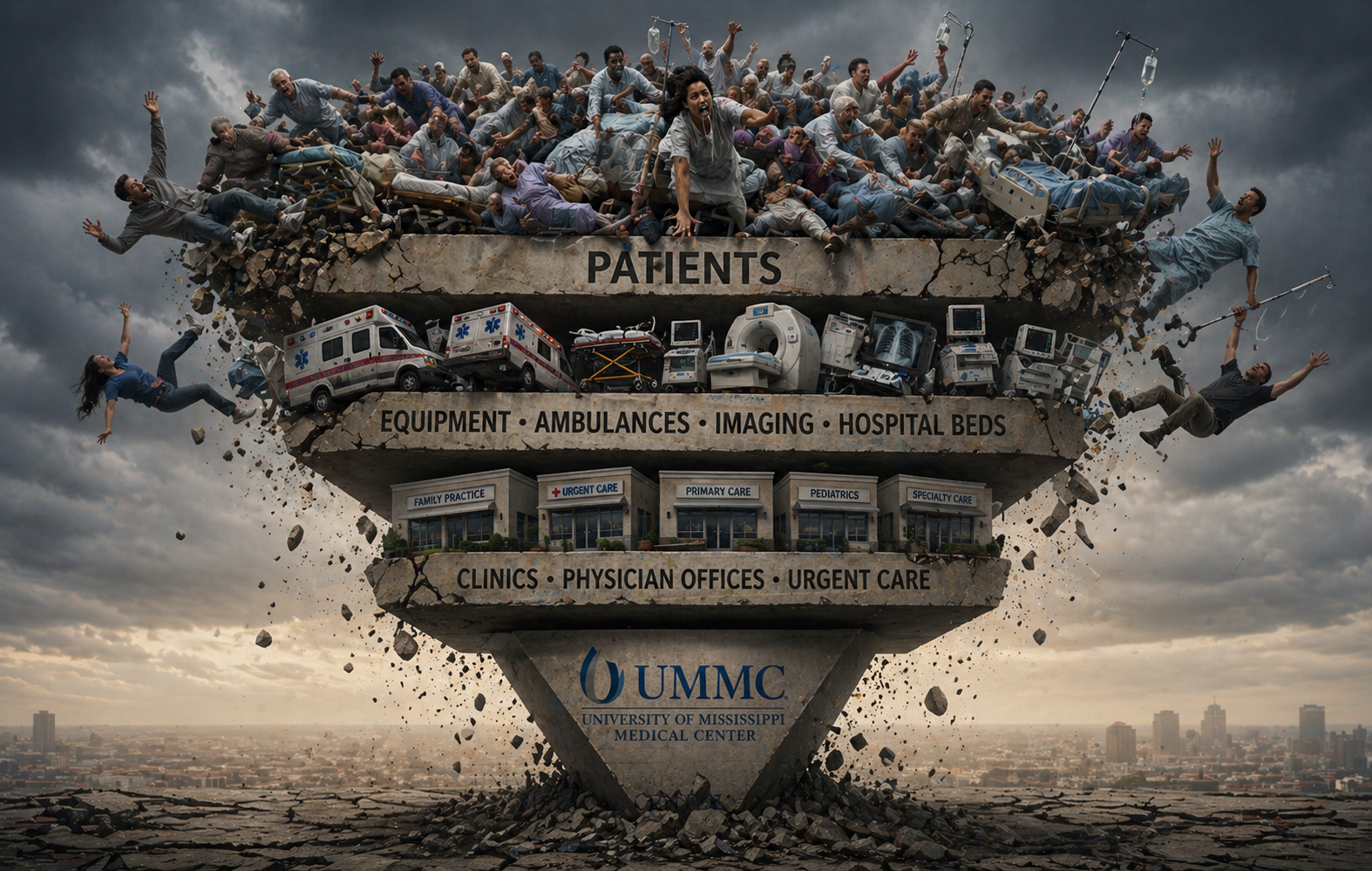
Cyberattack Exposes Risks of Policy-Driven Healthcare Concentration
When one provider goes offline, others should step in. Mississippi’s experience shows how certificate-of-need laws prevent that — and why reform matters for public health.
-

•
Certificate of Need Laws: How Government Permission Slips Restrict Care and Raise Costs
CON laws give regulators — and incumbent providers — the power to block new competition, at the expense of access and affordability.
-

•
The Long Shadow of COVID School Closures
COVID lockdowns transformed education and exposed the limits of centralized policymaking. Six years later, students are still paying the price.
-
•
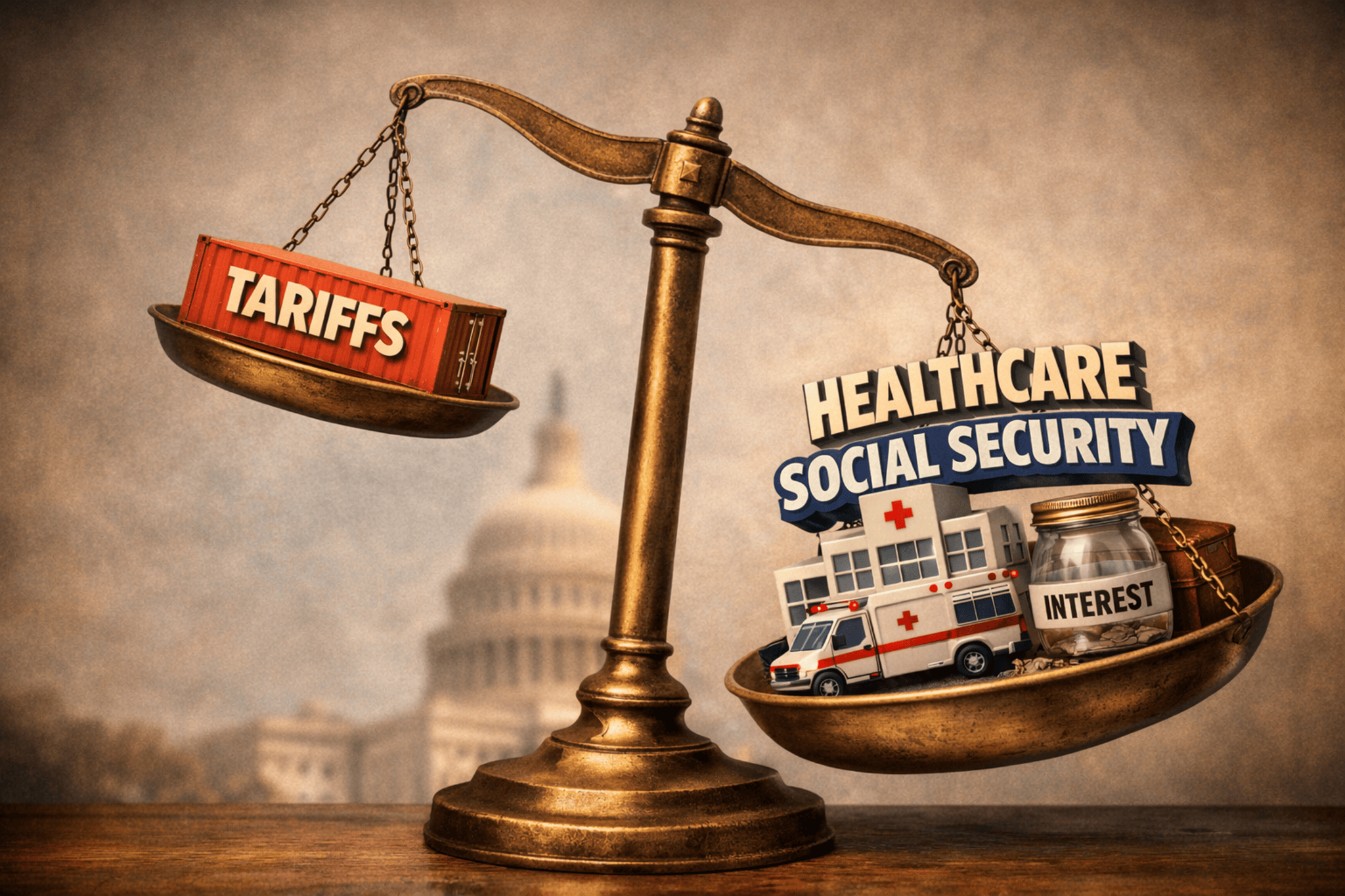
America Can’t Tariff Its Way Out of This Debt Crisis
Within a decade, every dollar collected in revenue will be spent on health care, Social Security, and interest on existing debt.
-
•
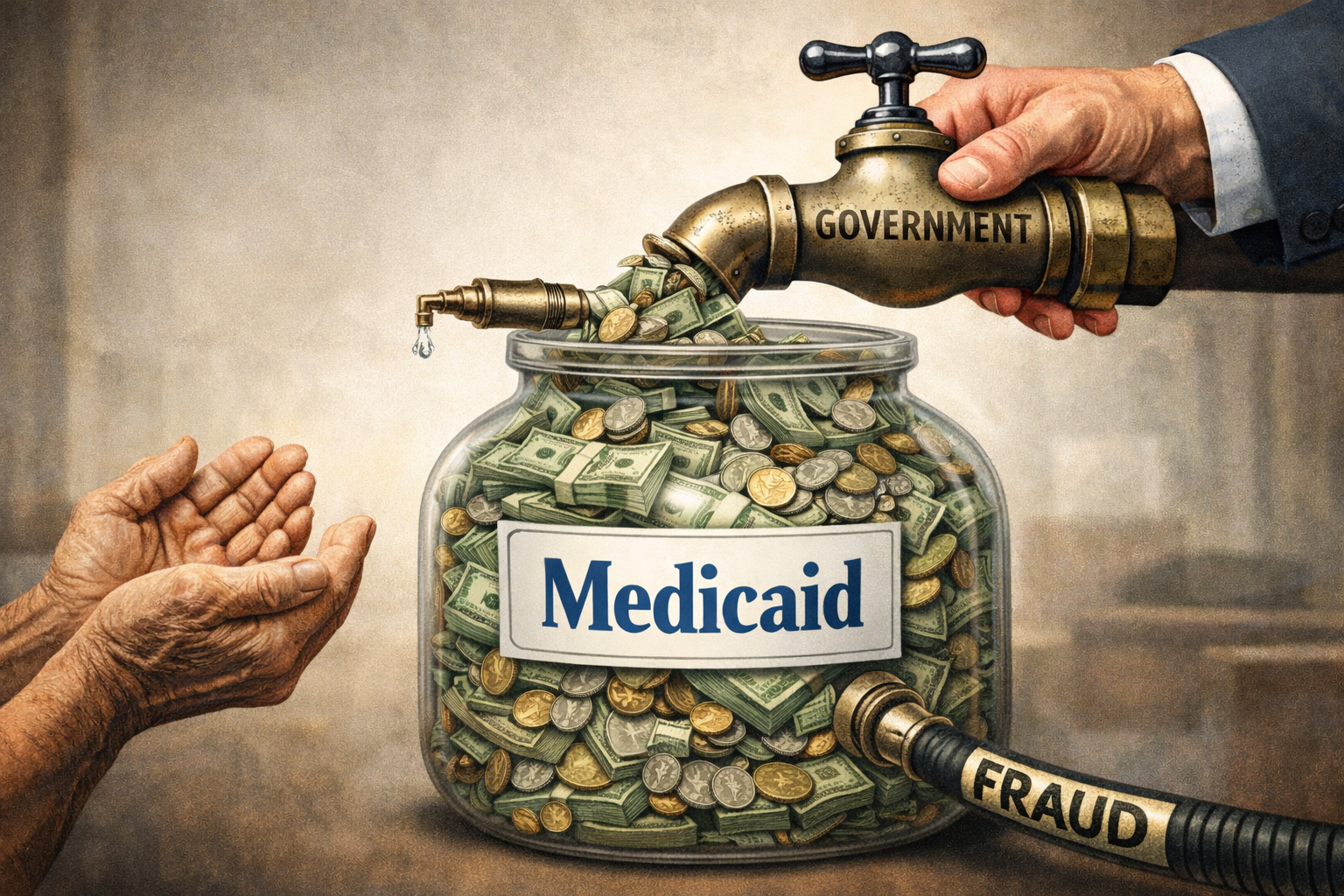
Medicaid’s Structure Actually Invites Waste and Fraud
Medicaid’s size and complexity create endless opportunities for gaming the rules. Incentives are skewed and accountability is weak, and the taxpayer always foots the bill.
-

•
Can Zohran Mamdani Force Doctors to Treat Patients?
Healthcare can be declared a right, but it cannot be delivered without willing providers. Closing the gap will require uncomfortable trade-offs.
-

•
Obesity Economics: How Subsidies Distort the American Diet
Federal subsidies drive food production, consumption, and — unintentionally — chronic disease. Now we’re being asked to subsidize weight loss drugs to fight what farm policy broke.
-

•
Burned by Bureaucracy: Why Other Countries Have Better Sunscreen
Europe and Asia use superior formulas, but the FDA hasn’t approved a new UV filter since the 1990s, exposing Americans to preventable cancer. Now, tariffs are pushing up prices on the few foreign options available.
-

•
The Quiet Ban on Physician-Owned Hospitals
In most fields, we celebrate innovators and experts that start new firms and improve efficiency. In health care, we’ve forbidden it for a decade.
-

•
Why Blaming Walmart and Amazon for Public Assistance Is Misguided
Many blame lower-wage employers like Walmart for welfare enrollment, but that’s economically and ethically dubious.
-
•
Cyberattack Exposes Risks of Policy-Driven Healthcare Concentration
When one provider goes offline, others should step in. Mississippi’s experience shows how certificate-of-need laws prevent that — and why reform matters for public health.
-
•
Certificate of Need Laws: How Government Permission Slips Restrict Care and Raise Costs
CON laws give regulators — and incumbent providers — the power to block new competition, at the expense of access and affordability.
-
•
The Long Shadow of COVID School Closures
COVID lockdowns transformed education and exposed the limits of centralized policymaking. Six years later, students are still paying the price.
-
•
America Can’t Tariff Its Way Out of This Debt Crisis
Within a decade, every dollar collected in revenue will be spent on health care, Social Security, and interest on existing debt.
-
•
Medicaid’s Structure Actually Invites Waste and Fraud
Medicaid’s size and complexity create endless opportunities for gaming the rules. Incentives are skewed and accountability is weak, and the taxpayer always foots the bill.
-
•
Can Zohran Mamdani Force Doctors to Treat Patients?
Healthcare can be declared a right, but it cannot be delivered without willing providers. Closing the gap will require uncomfortable trade-offs.
-
•
Obesity Economics: How Subsidies Distort the American Diet
Federal subsidies drive food production, consumption, and — unintentionally — chronic disease. Now we’re being asked to subsidize weight loss drugs to fight what farm policy broke.
-
•
Burned by Bureaucracy: Why Other Countries Have Better Sunscreen
Europe and Asia use superior formulas, but the FDA hasn’t approved a new UV filter since the 1990s, exposing Americans to preventable cancer. Now, tariffs are pushing up prices on the few foreign options available.
-
•
The Quiet Ban on Physician-Owned Hospitals
In most fields, we celebrate innovators and experts that start new firms and improve efficiency. In health care, we’ve forbidden it for a decade.
-
•
Why Blaming Walmart and Amazon for Public Assistance Is Misguided
Many blame lower-wage employers like Walmart for welfare enrollment, but that’s economically and ethically dubious.