
Inflation
-
•
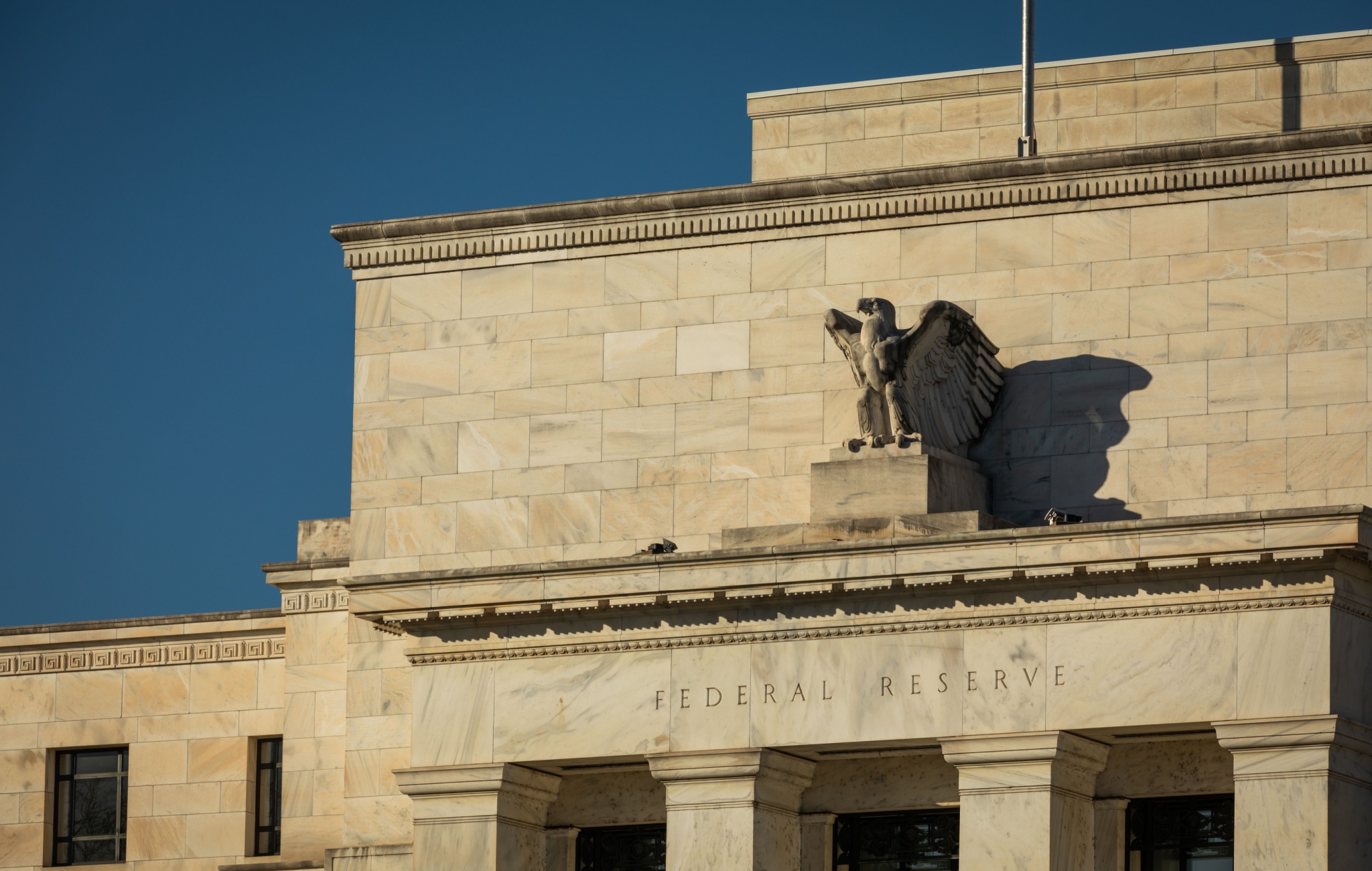
Should the Fed Get Credit for Lower Inflation?
“Labor market developments cannot explain the decline in nominal spending growth. Tighter monetary policy can… Given the lags of monetary policy, the Fed may have already undershot its target.” ~William J. Luther
-

•
$35 Trillion — and Counting
“Interest payments on the debt alone surpass the budgets of many major federal agencies combined. At this point, federal debt service costs amount to approximately $900 billion, which is 17 percent of total federal spending.” ~Peter C. Earle
-

•
Business Conditions Monthly May 2024
“Ongoing data noise driven by pandemic policies, unstable prices, Fed rate hikes, consumer fatigue, and stubborn disinflation early in the year, in combination, broadly suggest an economy experiencing mixed signals.” ~Peter C. Earle
-

•
Inflation Remained Low in June
“Despite the progress made on inflation over the last three months, and the risk of overtightening noted by Waller and Powell, the FOMC is unlikely to cut its federal funds rate target next week.” ~William J. Luther
-

•
Beware of Conflict Theories of Inflation
“This perspective emphasizes that social conflicts are the central cause of inflationary pressures. The Marxist undertones of CTIs suggest that inflation results from social injustice, implying a moral imperative for government intervention to right the supposed wrongs.” ~Nicolás Cachanosky
-

•
Milei’s New Monetary Regime for Argentina
“Despite its controversial nature, full dollarization remains the monetary regime with the most potential for long-term stability in Argentina. It offers a credible pathway to restore confidence and put the country back on a sustainable economic trajectory.” ~Nicolás Cachanosky
-

•
Consumer Prices Decline in June
“Interest rates tell us monetary policy is very tight. The money supply tells us monetary policy is somewhat tight. Will the Fed interpret recent data as a signal it’s time to pivot?” ~Alexander W. Salter
-

•
AIER’s Everyday Price Index Sees First Decline in 2024
“In June, US inflation slowed to its lowest rate since 2021 primarily due to a significant deceleration in housing costs. June data bolsters the likelihood of rate cuts, potentially beginning in September.” ~Peter C. Earle
-

•
June U-3 Jobless Rate Triggers Sahm Rule: Recession Ahead?
“This uptick triggers the Sahm Rule, a real-time recession indicator, suggesting that the US economy is in, or is nearing, a recession.” ~Peter C. Earle
-

•
The Real Reason Fast Food Is So Expensive
“The bottom line is that fast food prices are high because demand for fast food remains high, despite those higher prices.” ~Jon Miltimore
-
•
Should the Fed Get Credit for Lower Inflation?
“Labor market developments cannot explain the decline in nominal spending growth. Tighter monetary policy can… Given the lags of monetary policy, the Fed may have already undershot its target.” ~William J. Luther
-
•
$35 Trillion — and Counting
“Interest payments on the debt alone surpass the budgets of many major federal agencies combined. At this point, federal debt service costs amount to approximately $900 billion, which is 17 percent of total federal spending.” ~Peter C. Earle
-
•
Business Conditions Monthly May 2024
“Ongoing data noise driven by pandemic policies, unstable prices, Fed rate hikes, consumer fatigue, and stubborn disinflation early in the year, in combination, broadly suggest an economy experiencing mixed signals.” ~Peter C. Earle
-
•
Inflation Remained Low in June
“Despite the progress made on inflation over the last three months, and the risk of overtightening noted by Waller and Powell, the FOMC is unlikely to cut its federal funds rate target next week.” ~William J. Luther
-
•
Beware of Conflict Theories of Inflation
“This perspective emphasizes that social conflicts are the central cause of inflationary pressures. The Marxist undertones of CTIs suggest that inflation results from social injustice, implying a moral imperative for government intervention to right the supposed wrongs.” ~Nicolás Cachanosky
-
•
Milei’s New Monetary Regime for Argentina
“Despite its controversial nature, full dollarization remains the monetary regime with the most potential for long-term stability in Argentina. It offers a credible pathway to restore confidence and put the country back on a sustainable economic trajectory.” ~Nicolás Cachanosky
-
•
Consumer Prices Decline in June
“Interest rates tell us monetary policy is very tight. The money supply tells us monetary policy is somewhat tight. Will the Fed interpret recent data as a signal it’s time to pivot?” ~Alexander W. Salter
-
•
AIER’s Everyday Price Index Sees First Decline in 2024
“In June, US inflation slowed to its lowest rate since 2021 primarily due to a significant deceleration in housing costs. June data bolsters the likelihood of rate cuts, potentially beginning in September.” ~Peter C. Earle
-
•
June U-3 Jobless Rate Triggers Sahm Rule: Recession Ahead?
“This uptick triggers the Sahm Rule, a real-time recession indicator, suggesting that the US economy is in, or is nearing, a recession.” ~Peter C. Earle
-
•
The Real Reason Fast Food Is So Expensive
“The bottom line is that fast food prices are high because demand for fast food remains high, despite those higher prices.” ~Jon Miltimore