
Unemployment
-

•
July Inflation Rises, But Weakening Labor Complicates Fed’s Choice
The Fed is caught between cooling labor conditions and persistent demand, as nominal spending growth remains above its pre-pandemic pace.
-

•
What Payroll Revisions Reveal about the Economy
One disappointing number tells us little about recession risk. A sustained series of sizable downward revisions deserves more attention.
-

•
Free Trade: The Consensus Is Growing
What economists have argued for generations is now reflected in public opinion: Americans see free trade as the better alternative to protectionism.
-

•
Upward Mobility Is a Better Measure of Justice Than Income Equality
If your wealthy boss earns less, will you earn more? France’s compressed salary scale shows more ‘equal’ pay clusters at levels that could keep you both poorer.
-

•
Business Conditions Monthly April 2026
Data reveal a mixed but resilient economy: current activity improved, while signals of future growth remain murky.
-

•
How the Left Convinced Young People That Wealth Is Taken, Not Earned
Frustration with high costs has made younger generations more receptive to claims that wealth requires exploitation. But envy-driven attacks only limit our future opportunities.
-
•
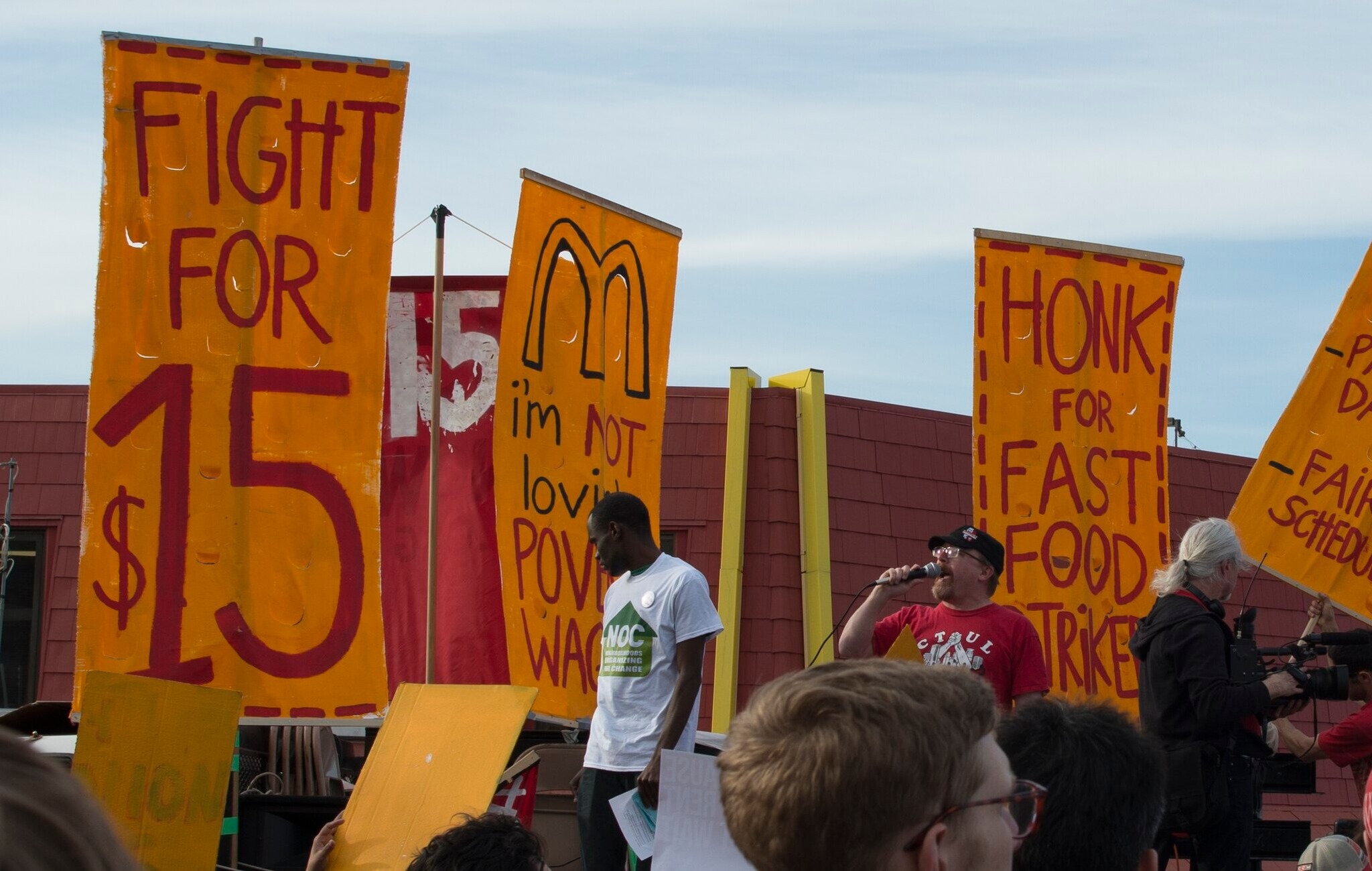
Early Progressives Understood What Minimum Wages Do
Progressives once embraced minimum wages as a tool to exclude marginal workers from the labor market. Modern advocates have different goals, but the same economic effect.
-

•
Business Conditions Monthly March 2026
The US economy appears on stable footing for now, but inflation, borrowing costs, and other warning signs are accumulating beneath the surface.
-

•
Jerome Powell’s Mixed Legacy: Successes and Shortcomings at the Fed
Tributes say he engineered a soft landing, but critics note delayed responses to inflation and a troubling expansion of the Fed’s political footprint.
-

•
AI Abundance Won’t End Inflation, Nor Make Money Meaningless
Elon Musk claims AI-driven growth could fund UBI transfers without inflation. But relative prices — not just totals — still drive economic allocation.
-
•
July Inflation Rises, But Weakening Labor Complicates Fed’s Choice
The Fed is caught between cooling labor conditions and persistent demand, as nominal spending growth remains above its pre-pandemic pace.
-
•
What Payroll Revisions Reveal about the Economy
One disappointing number tells us little about recession risk. A sustained series of sizable downward revisions deserves more attention.
-
•
Free Trade: The Consensus Is Growing
What economists have argued for generations is now reflected in public opinion: Americans see free trade as the better alternative to protectionism.
-
•
Upward Mobility Is a Better Measure of Justice Than Income Equality
If your wealthy boss earns less, will you earn more? France’s compressed salary scale shows more ‘equal’ pay clusters at levels that could keep you both poorer.
-
•
Business Conditions Monthly April 2026
Data reveal a mixed but resilient economy: current activity improved, while signals of future growth remain murky.
-
•
How the Left Convinced Young People That Wealth Is Taken, Not Earned
Frustration with high costs has made younger generations more receptive to claims that wealth requires exploitation. But envy-driven attacks only limit our future opportunities.
-
•
Early Progressives Understood What Minimum Wages Do
Progressives once embraced minimum wages as a tool to exclude marginal workers from the labor market. Modern advocates have different goals, but the same economic effect.
-
•
Business Conditions Monthly March 2026
The US economy appears on stable footing for now, but inflation, borrowing costs, and other warning signs are accumulating beneath the surface.
-
•
Jerome Powell’s Mixed Legacy: Successes and Shortcomings at the Fed
Tributes say he engineered a soft landing, but critics note delayed responses to inflation and a troubling expansion of the Fed’s political footprint.
-
•
AI Abundance Won’t End Inflation, Nor Make Money Meaningless
Elon Musk claims AI-driven growth could fund UBI transfers without inflation. But relative prices — not just totals — still drive economic allocation.