
Monetary Economics
-

•
What’s The Relationship Between Gold and Bitcoin?
Econometric findings suggest a growing interconnectedness across assets, driven by shared macroeconomic forces and evolving investor sentiment.
-
•
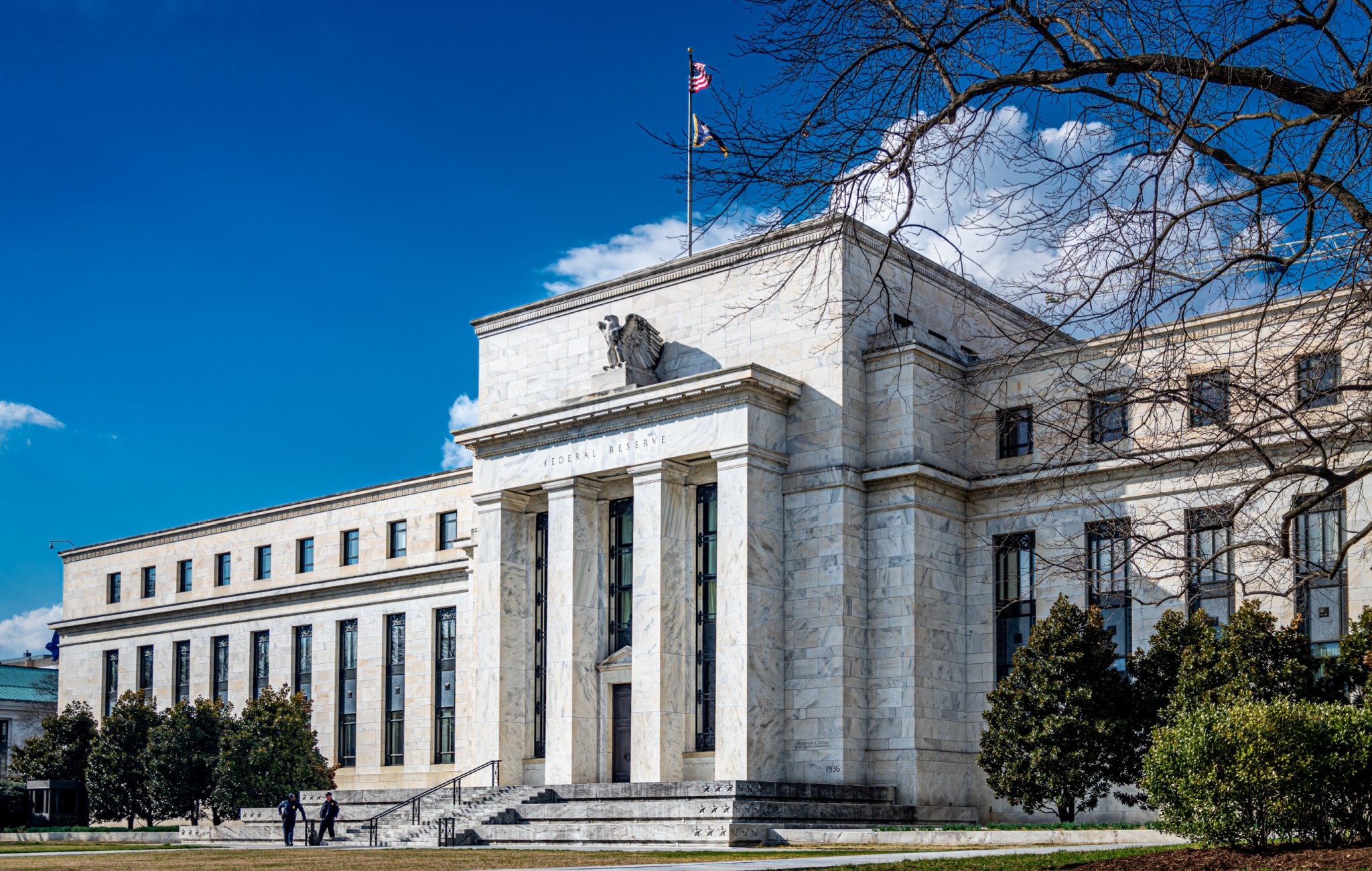
Forecasts Stable: The Fed Should Take a Breather
Monetary policy is right where we want it: close to neutral. No cuts are needed as price pressures continue to moderate.
-

•
AIER’s Everyday Price Index Gains Marginally in December 2024
The price of energy, entertainment, and rent continued to rise. Food prices were down slightly following November’s increase. Signs point to stabilization.
-

•
‘Greedflation’ Claims Distract, Drive Policy in the Wrong Direction
Blaming producers for higher prices obscures true policy failures and economic bad actors — perhaps deliberately.
-

•
Modern Monetary Theory and the Challenge of Endogenous Money Supply
The Fed’s balance sheet, and its influence, remain enormous. A lighter touch at the top would allow more flexibility in the economy.
-

•
Understanding Public Debt Redux
Readers have sent in excellent questions about public debt since the release of our Explainer. Here, the authors answer a few.
-

•
What Happened at the 2024 AIER Monetary Conference: Building a Better Fed Framework?
A jam-packed day of monetary history, theory, policy, and their real-world effects. Watch the video for free today!
-

•
The FOMC Should Hold Rates Steady
Monetary policy remains tight. We have enough data to see a (hopefully temporary) stall in disinflation. FOMC should keep its target rate at 4.50 to 4.75 percent for now.
-

•
AIER’s Everyday Price Index Shows Continued Disinflation in November 2024
New data suggest that, despite hurdles, inflation is still on track toward the 2-percent level.
-
•
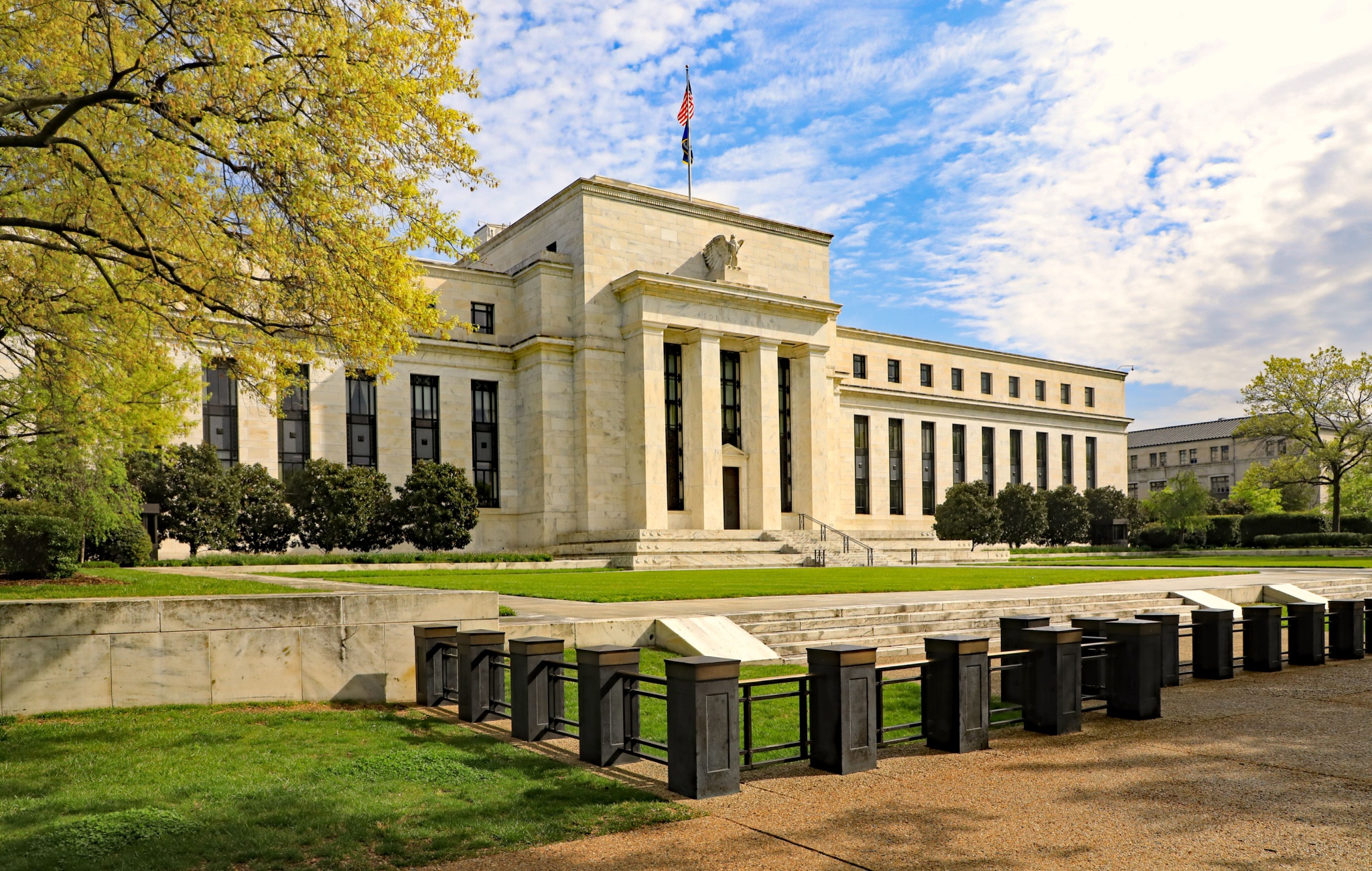
WSJ’s Prof. Blinder Misses Again on Inflation Analysis
Tariffs will cause a one-time price jump, but they won’t cause sustained inflation. Central banks do that by raising total spending.
-
•
What’s The Relationship Between Gold and Bitcoin?
Econometric findings suggest a growing interconnectedness across assets, driven by shared macroeconomic forces and evolving investor sentiment.
-
•
Forecasts Stable: The Fed Should Take a Breather
Monetary policy is right where we want it: close to neutral. No cuts are needed as price pressures continue to moderate.
-
•
AIER’s Everyday Price Index Gains Marginally in December 2024
The price of energy, entertainment, and rent continued to rise. Food prices were down slightly following November’s increase. Signs point to stabilization.
-
•
‘Greedflation’ Claims Distract, Drive Policy in the Wrong Direction
Blaming producers for higher prices obscures true policy failures and economic bad actors — perhaps deliberately.
-
•
Modern Monetary Theory and the Challenge of Endogenous Money Supply
The Fed’s balance sheet, and its influence, remain enormous. A lighter touch at the top would allow more flexibility in the economy.
-
•
Understanding Public Debt Redux
Readers have sent in excellent questions about public debt since the release of our Explainer. Here, the authors answer a few.
-
•
What Happened at the 2024 AIER Monetary Conference: Building a Better Fed Framework?
A jam-packed day of monetary history, theory, policy, and their real-world effects. Watch the video for free today!
-
•
The FOMC Should Hold Rates Steady
Monetary policy remains tight. We have enough data to see a (hopefully temporary) stall in disinflation. FOMC should keep its target rate at 4.50 to 4.75 percent for now.
-
•
AIER’s Everyday Price Index Shows Continued Disinflation in November 2024
New data suggest that, despite hurdles, inflation is still on track toward the 2-percent level.
-
•
WSJ’s Prof. Blinder Misses Again on Inflation Analysis
Tariffs will cause a one-time price jump, but they won’t cause sustained inflation. Central banks do that by raising total spending.