
Search results for: “wealth tax”
-

•
Why We Are Wealthy
The Wealth Explosion by Stephen Davies is one of the books the world needs. Much of the growing literature in what is called the “New History of Capitalism” credits (or blames) different kinds of exploitation like slavery, colonialism, and empire for the prosperity of Europe and its overseas offshoots. Some historians argue, for example, that…
-

•
More Good Arguments Against a Carbon Tax
Carbon taxes do alleviate some negative externalities that we might want to counter — but they come with a nasty drawback (and getting them in place requires an inefficient and opaque political process) that no caring person would want to impose on the poorest of us, namely that basic necessities become more expensive.
-

•
Nigeria’s Cash Tax Is a Bad Idea
Nigeria is one of Africa’s most influential nations. But other African countries should think twice before emulating its costly cash policy.
-

•
The Big Fib about the Rich and Taxes
The primary driver of Saez and Zucman’s claims about the tax rates on the wealthy do not reflect a regressive shift over time. They arise almost entirely out of unconventional and contested adjustments to their previous numbers.
-
•
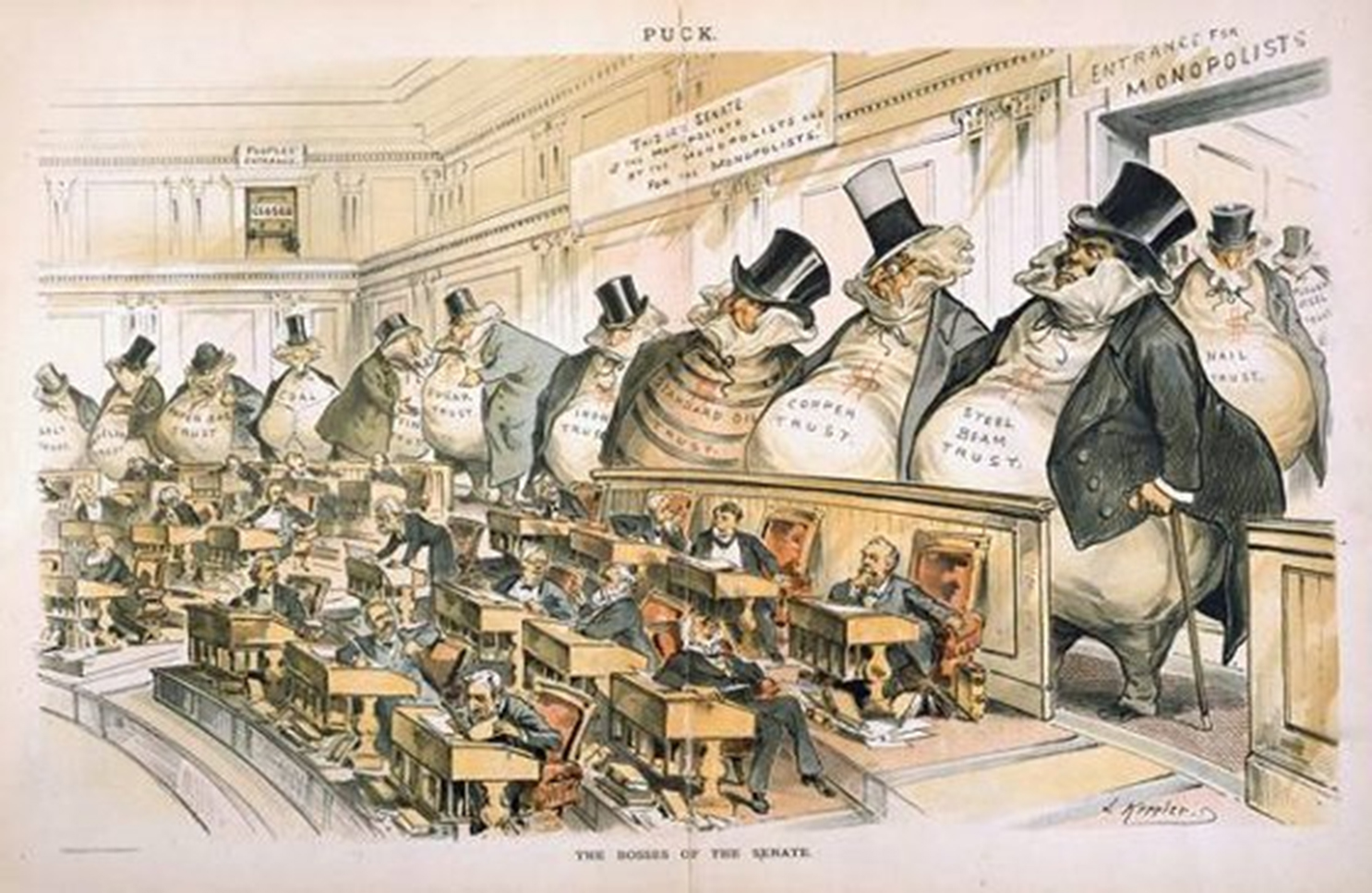
No, the Poor Don’t Pay Higher Taxes Than the Rich
A new report in the New York Times claims the ultra-wealthy pay a lower tax rate than the poor. A closer look at tax statistics reveals that story is also likely wrong.
-

•
Reasons to Oppose a Tax on Trading
Trading is the very soul of the market economy. Taxing it is a sure path to killing that soul.
-

•
The Carbon Tax Fails the Public-Choice Test
An “efficient” carbon tax — one that truly solves the so-called “market failure” problem — requires that government officials first divine the optimal rate of emissions and then set the tax at a level that will result in this rate of emissions.
-

•
Amazon’s “Tiny Kiosk” Democratizes Wealth Creation
These easy-to-assemble retail kiosks aren’t just a great example of the market’s ingenuity, they are also proof that the market provides an answer to customers’ needs, even if these needs are the product of artificial barriers imposed by the government.
-

•
This Is How a Nationalist Raises Your Taxes
Surely allowing millions of American and Chinese businesses and consumers to freely cooperate would have created more wealth than one veteran dealmaker tightening his grip.
-
•
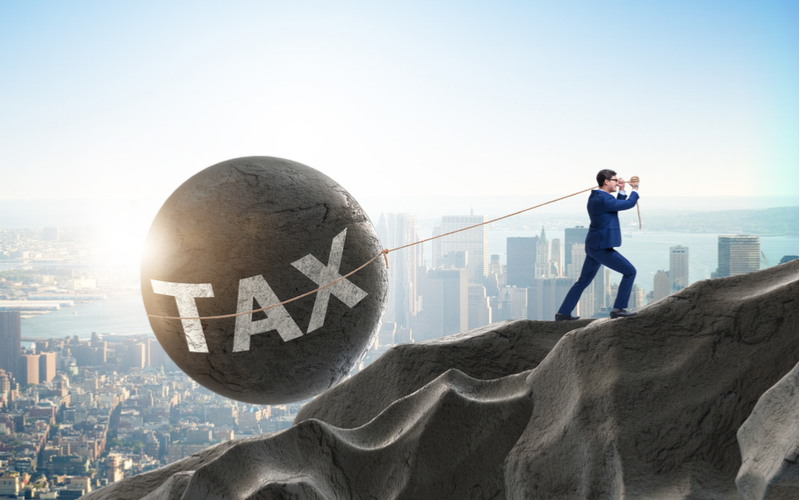
Punitive Taxation of America’s Richest
Taken together, the top quintile of earners, representing 53 percent of total income, paid 70 percent of all federal taxes, or 17 percentage points above their fair share.
-
•
Why We Are Wealthy
The Wealth Explosion by Stephen Davies is one of the books the world needs. Much of the growing literature in what is called the “New History of Capitalism” credits (or blames) different kinds of exploitation like slavery, colonialism, and empire for the prosperity of Europe and its overseas offshoots. Some historians argue, for example, that…
-
•
More Good Arguments Against a Carbon Tax
Carbon taxes do alleviate some negative externalities that we might want to counter — but they come with a nasty drawback (and getting them in place requires an inefficient and opaque political process) that no caring person would want to impose on the poorest of us, namely that basic necessities become more expensive.
-
•
Nigeria’s Cash Tax Is a Bad Idea
Nigeria is one of Africa’s most influential nations. But other African countries should think twice before emulating its costly cash policy.
-
•
The Big Fib about the Rich and Taxes
The primary driver of Saez and Zucman’s claims about the tax rates on the wealthy do not reflect a regressive shift over time. They arise almost entirely out of unconventional and contested adjustments to their previous numbers.
-
•
No, the Poor Don’t Pay Higher Taxes Than the Rich
A new report in the New York Times claims the ultra-wealthy pay a lower tax rate than the poor. A closer look at tax statistics reveals that story is also likely wrong.
-
•
Reasons to Oppose a Tax on Trading
Trading is the very soul of the market economy. Taxing it is a sure path to killing that soul.
-
•
The Carbon Tax Fails the Public-Choice Test
An “efficient” carbon tax — one that truly solves the so-called “market failure” problem — requires that government officials first divine the optimal rate of emissions and then set the tax at a level that will result in this rate of emissions.
-
•
Amazon’s “Tiny Kiosk” Democratizes Wealth Creation
These easy-to-assemble retail kiosks aren’t just a great example of the market’s ingenuity, they are also proof that the market provides an answer to customers’ needs, even if these needs are the product of artificial barriers imposed by the government.
-
•
This Is How a Nationalist Raises Your Taxes
Surely allowing millions of American and Chinese businesses and consumers to freely cooperate would have created more wealth than one veteran dealmaker tightening his grip.
-
•
Punitive Taxation of America’s Richest
Taken together, the top quintile of earners, representing 53 percent of total income, paid 70 percent of all federal taxes, or 17 percentage points above their fair share.