
Antón Chamberlin

Antón Chamberlin is a Senior Writer at AIER. He holds a PhD in economics from Middle Tennessee State University, as well as Bachelor’s and Master’s degrees from Loyola University New Orleans and Troy University. He is currently pursuing an MA in Theology through the Echo Graduate Service Program at the University of Notre Dame. With over a decade of studying free market economics, he has published in peer-reviewed journals and on popular websites promoting economic liberty. His primary interests are Austrian economics, Mexican economic history, Catholicism, and sports economics.
-
•
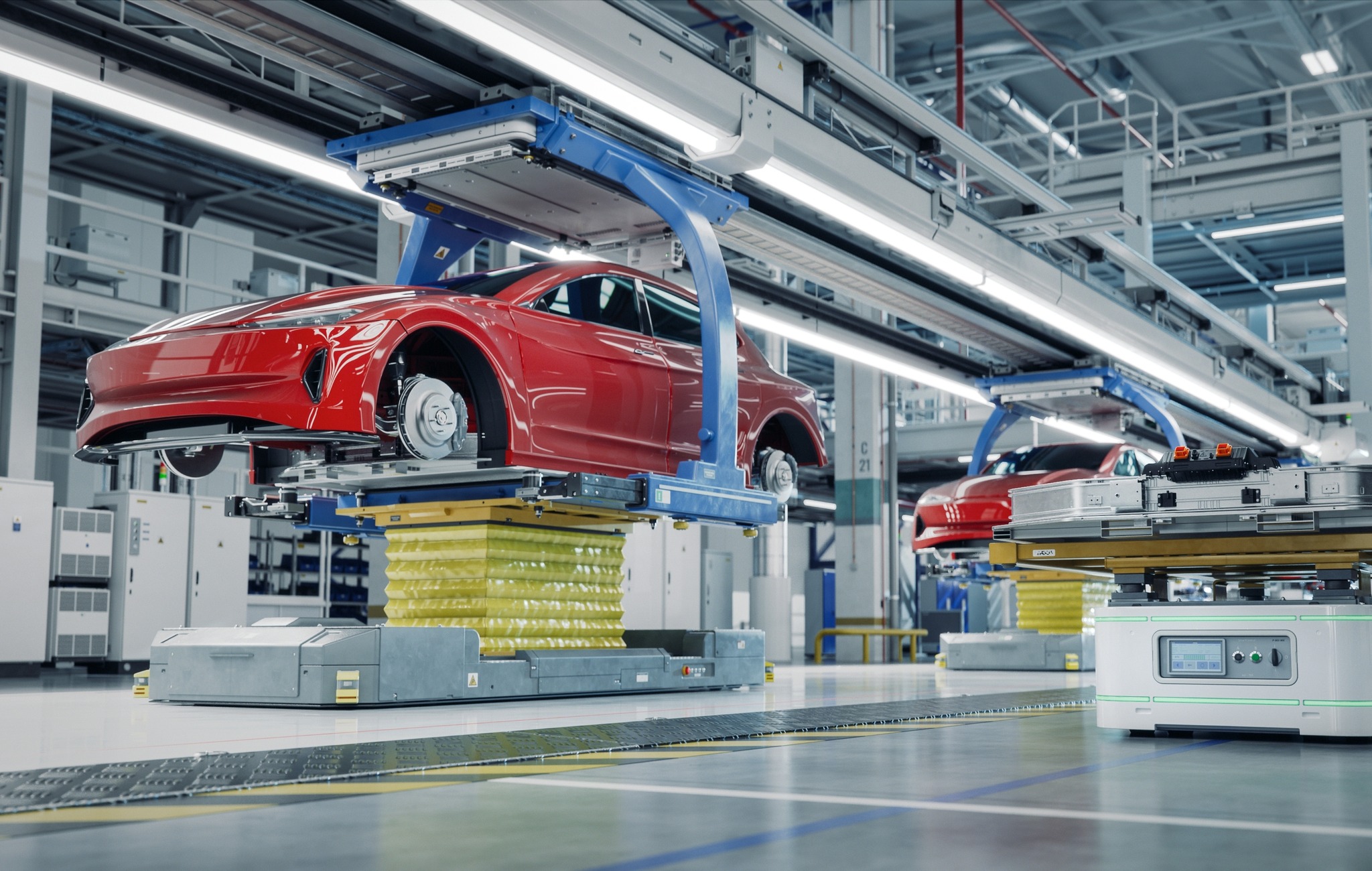
Electric Vehicle Subsidy U-Turn Leaves Factories and Workers Stranded
GM’s production cuts and layoffs show why factories, equipment, and workers cannot adjust overnight. Industrial policy can leave lasting economic costs.
-
•
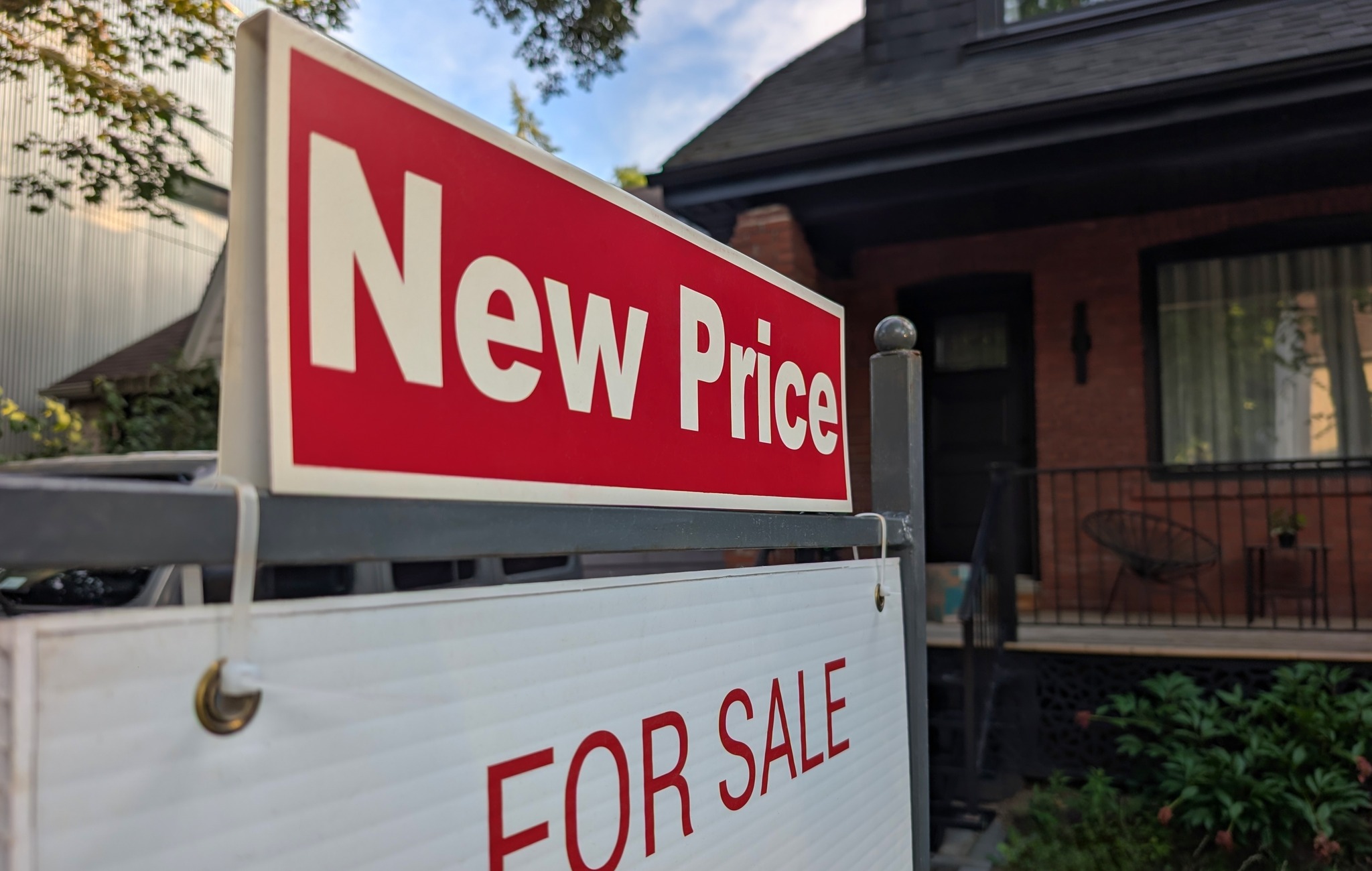
The Fed’s Mortgage Policy Made Homeownership Cost More
The Fed’s mortgage-market policy rewarded existing homeowners, but raised the price of entry for first-time and future buyers.
-
•
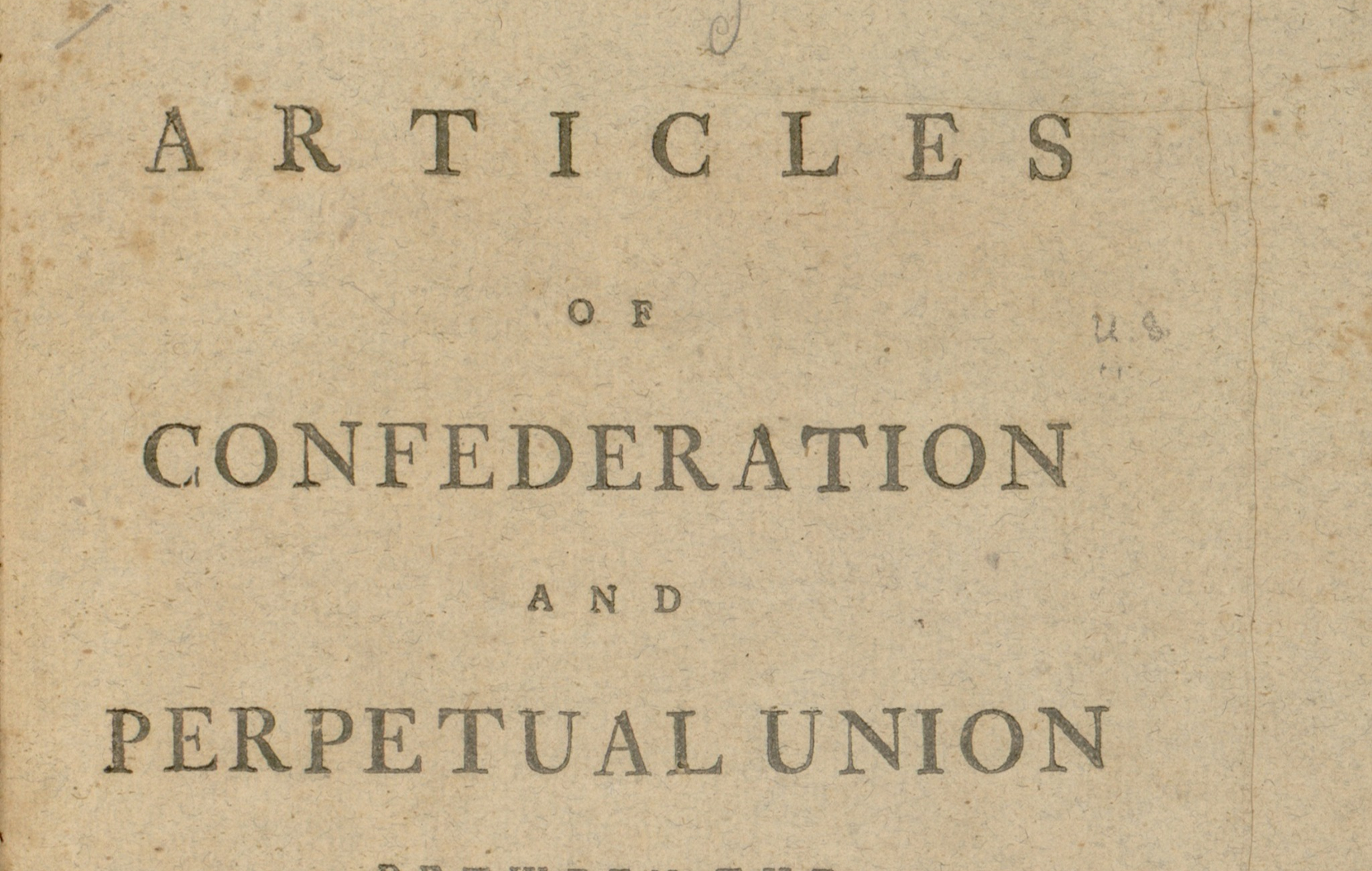
The Constitution’s Forgotten Economic Tradeoffs
The Articles of Confederation are often remembered as a failure. But their limits on taxing and commercial power offered greater protection for economic freedom than the Constitution that replaced them.
-
•
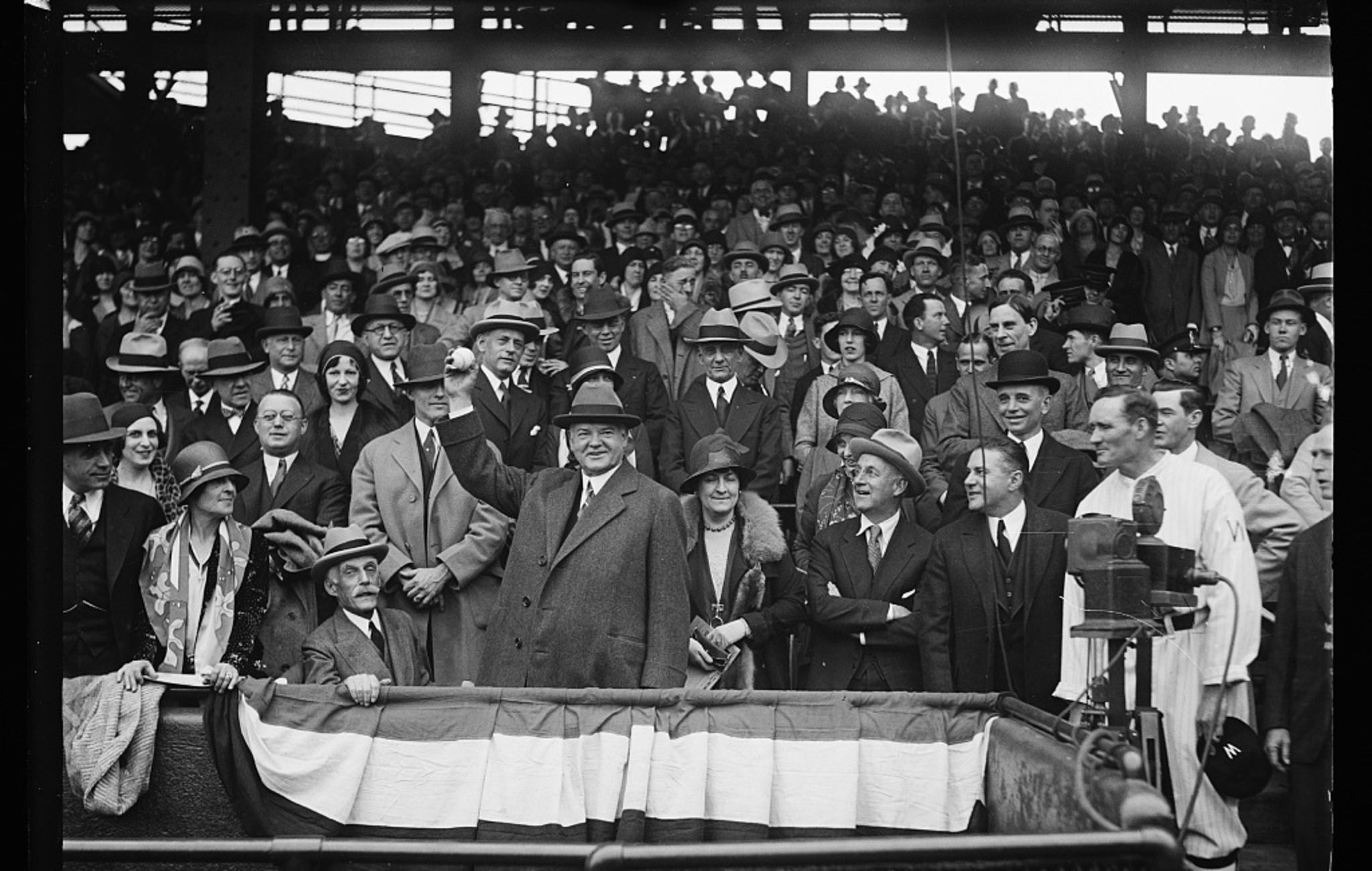
The Baseball Tax That Made the Great Depression Worse
Nothing’s more American than baseball and taxes, but combining the two in 1932 cost millions their affordable day out.
-
•
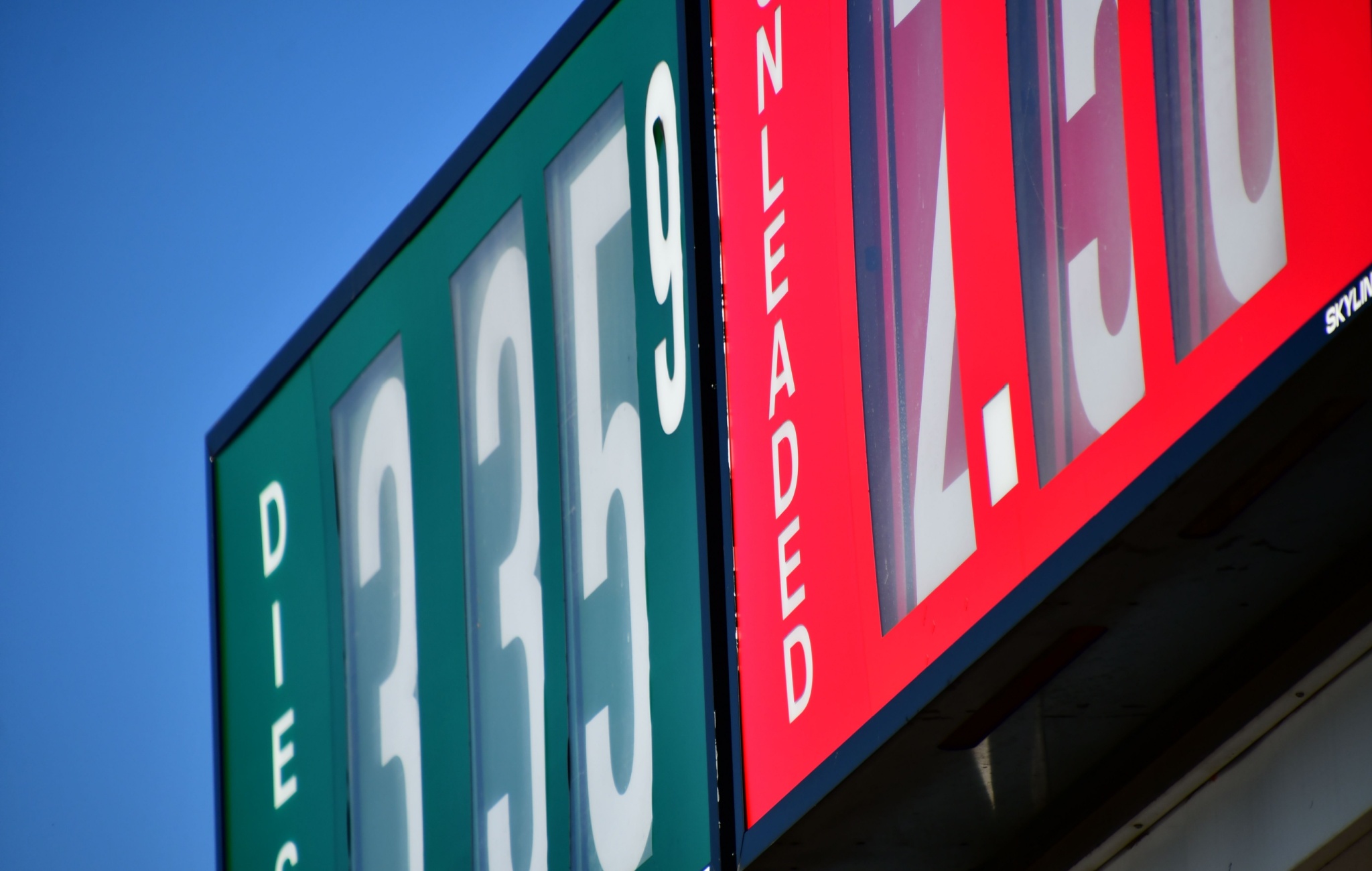
Estimating the Iran War’s Effect on US Gasoline Prices
A forecasting model shows gasoline prices broke sharply from their expected trajectory after the outbreak of war.
-

•
Can Every Job Pay a Living Wage?
A job’s wage is not a measure of dignity — it’s a reflection of economic value. Confusing the two leads to policies that undermine opportunity.
-

•
Full Employment May Still Signal Stagnation in Labor
Low layoffs and low hiring have created a fragile equilibrium. The underlying picture points to drift, not true growth.
-
•
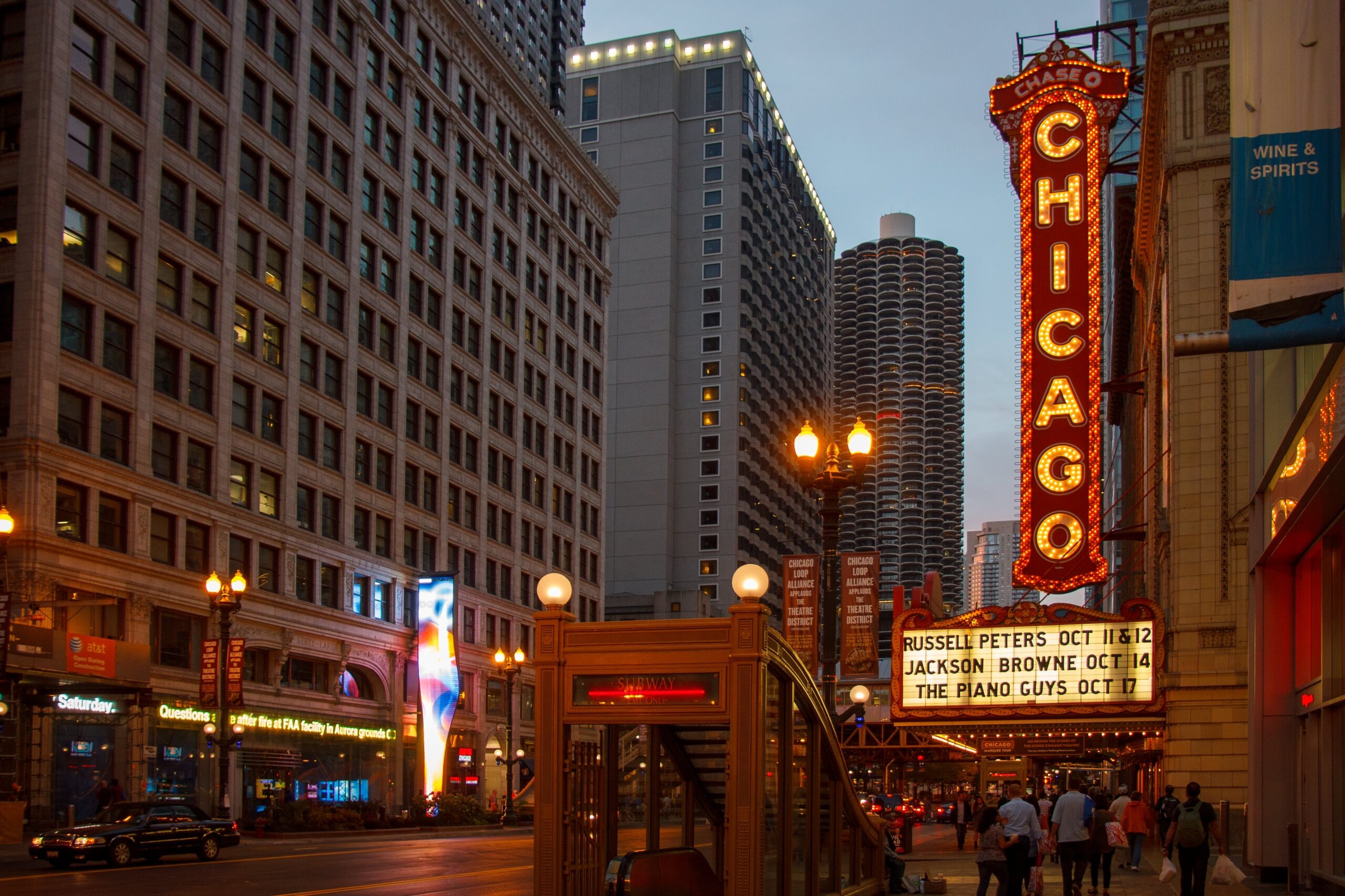
Chicago’s Hotel Tax Gamble: Raising Prices to Attract Tourists
By hiking its hotel tax to 19 percent, Chicago is funding marketing meant to draw visitors — but higher costs are likely to deter the very tourists it hopes to attract.
-

•
What Do Consumers Know That GDP Aggregates Don’t?
Rising costs, reduced mobility, and policy uncertainty may explain why households feel squeezed even when headline growth is good.
-
•
When Production Isn’t Production and Prices Aren’t Prices
When we use economic terms loosely, we smuggle in assumptions that the theory itself does not support.
-
•
Electric Vehicle Subsidy U-Turn Leaves Factories and Workers Stranded
GM’s production cuts and layoffs show why factories, equipment, and workers cannot adjust overnight. Industrial policy can leave lasting economic costs.
-
•
The Fed’s Mortgage Policy Made Homeownership Cost More
The Fed’s mortgage-market policy rewarded existing homeowners, but raised the price of entry for first-time and future buyers.
-
•
The Constitution’s Forgotten Economic Tradeoffs
The Articles of Confederation are often remembered as a failure. But their limits on taxing and commercial power offered greater protection for economic freedom than the Constitution that replaced them.
-
•
The Baseball Tax That Made the Great Depression Worse
Nothing’s more American than baseball and taxes, but combining the two in 1932 cost millions their affordable day out.
-
•
Estimating the Iran War’s Effect on US Gasoline Prices
A forecasting model shows gasoline prices broke sharply from their expected trajectory after the outbreak of war.
-
•
Can Every Job Pay a Living Wage?
A job’s wage is not a measure of dignity — it’s a reflection of economic value. Confusing the two leads to policies that undermine opportunity.
-
•
Full Employment May Still Signal Stagnation in Labor
Low layoffs and low hiring have created a fragile equilibrium. The underlying picture points to drift, not true growth.
-
•
Chicago’s Hotel Tax Gamble: Raising Prices to Attract Tourists
By hiking its hotel tax to 19 percent, Chicago is funding marketing meant to draw visitors — but higher costs are likely to deter the very tourists it hopes to attract.
-
•
What Do Consumers Know That GDP Aggregates Don’t?
Rising costs, reduced mobility, and policy uncertainty may explain why households feel squeezed even when headline growth is good.
-
•
When Production Isn’t Production and Prices Aren’t Prices
When we use economic terms loosely, we smuggle in assumptions that the theory itself does not support.