
Daniel J. Smith

Contributor
Dr. Daniel J. Smith is the Director of the Political Economy Research Institute and Associate Professor of Economics in the Jones College of Business at Middle Tennessee State University.
His academic research and policy work uses Austrian and public choice economics to analyze private and public governance institutions.
-

•
Ironic Inheritance: How Andrew Carnegie’s Millions Still Underwrite the Academy
Academics may distrust concentrated private wealth, but their retirement system owes its origins to one of history’s great industrial fortunes.
-
•
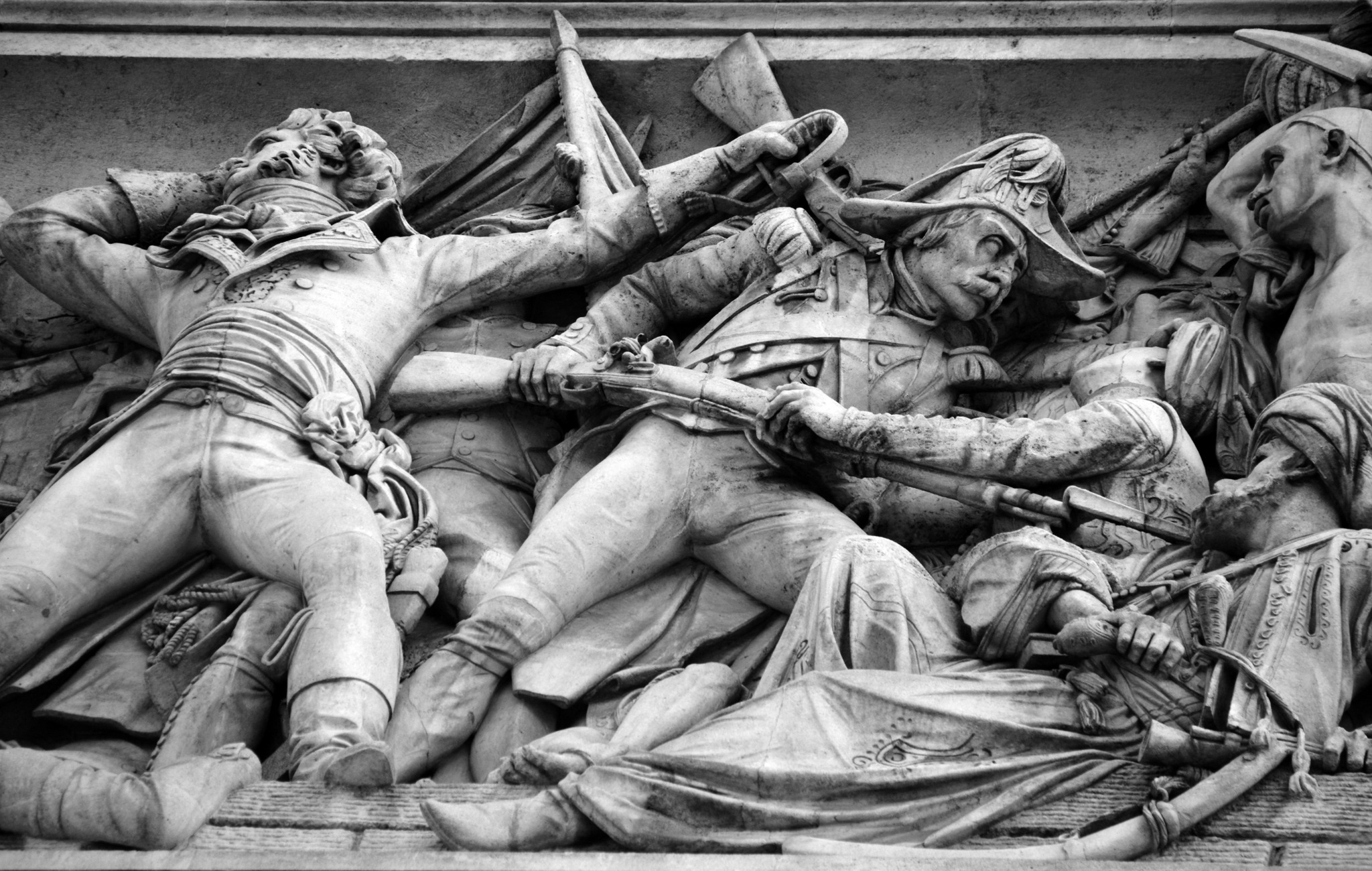
When Paris Went Hungry Under Government Food Controls
During the French Revolution, authorities in Paris turned to “a series of ventures in price-fixing and food control” to ensure people did not go hungry. It didn’t work as planned.
-

•
‘Guns Versus Butter’: Tracing the Dark Origins of a Classic Economic Model
The phrase’s apparent origins in Nazi Germany — and its grim use during the 1930s and 1940s — highlight a basic truth: prioritizing guns over butter ultimately imposes the cost of lower living standards on ordinary citizens.
-

•
What a BBQ Feud Teaches Us About Freedom
An offset smoker or a pellet grill? Markets allow people with different preferences to choose for themselves, not fight political battles over a single “right” answer.
-
•
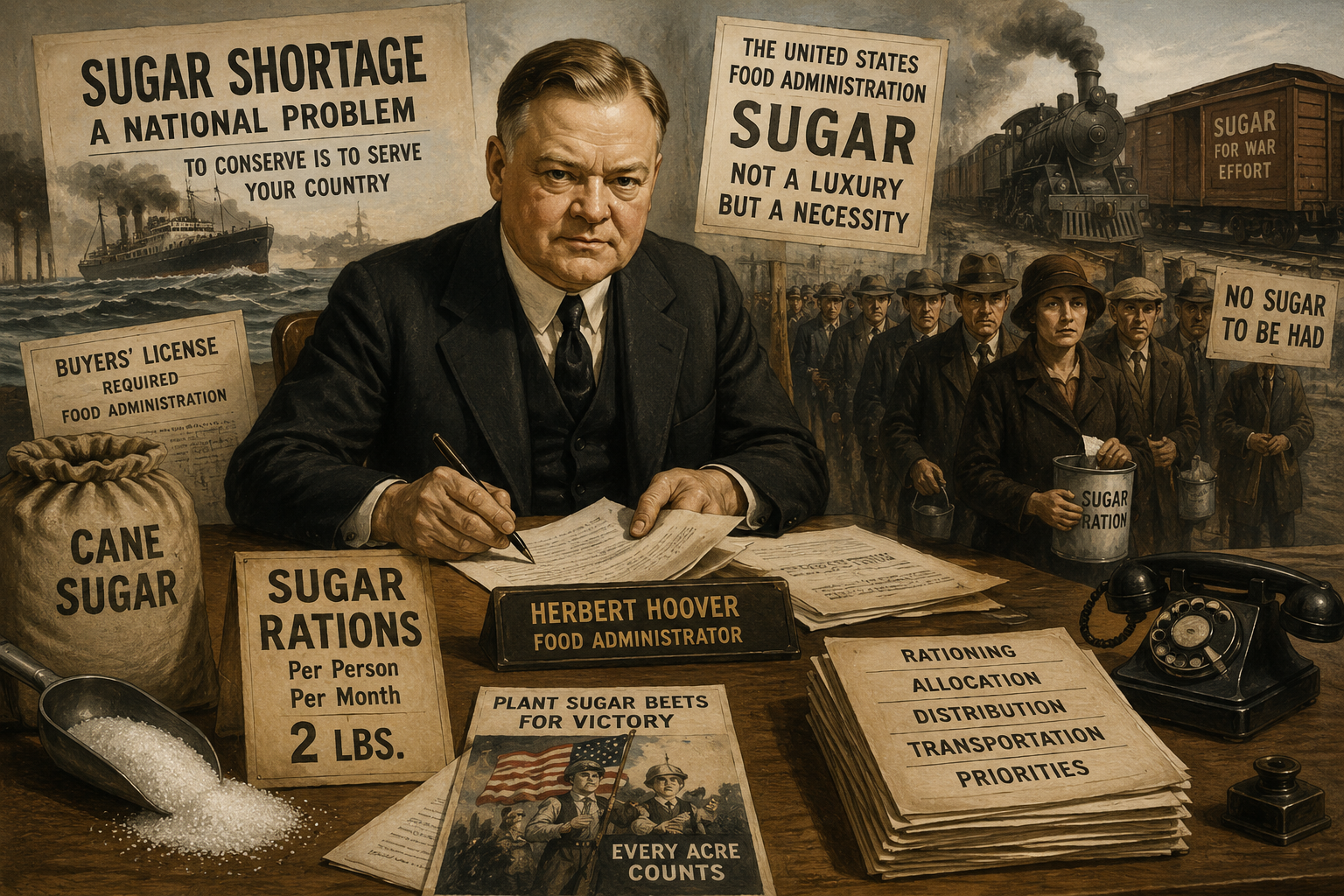
The Bitter Lessons of Sugar Control in World War I
Herbert Hoover’s wartime sugar program generated shortages that led to expanding rationing systems and increasingly centralized control over the allocation of sugar.
-

•
‘The Wealth of Nations’ and 250 Years of Economists Missing the Point
From trade policy to public debt, today’s economic debates echo those of 1776. The problem isn’t a lack of knowledge — it’s a failure to teach and apply enduring principles.
-

•
Greece’s 19th Century Currant Crisis: A Warning Against ‘Temporary’ Government Support
Greek intervention to “protect” farmers rendered a temporary crisis permanent.
-

•
Don’t Push the Policy Button!
Economists design “optimal” interventions with caveats and disclaimers. Politicians treat them like irresistible big red buttons.
-

•
We Learned Leadership Flipping Burgers: Don’t Close America’s On-Ramp
Inflating entry-level pay risks shutting young workers out of the most reliable path to skill development and long-term earnings.
-

•
Why Modern Socialists Dodge Definition
When every failure is reclassified as “not real socialism,” the ideology slips beyond empirical scrutiny and standards of evidence.
-
•
Ironic Inheritance: How Andrew Carnegie’s Millions Still Underwrite the Academy
Academics may distrust concentrated private wealth, but their retirement system owes its origins to one of history’s great industrial fortunes.
-
•
When Paris Went Hungry Under Government Food Controls
During the French Revolution, authorities in Paris turned to “a series of ventures in price-fixing and food control” to ensure people did not go hungry. It didn’t work as planned.
-
•
‘Guns Versus Butter’: Tracing the Dark Origins of a Classic Economic Model
The phrase’s apparent origins in Nazi Germany — and its grim use during the 1930s and 1940s — highlight a basic truth: prioritizing guns over butter ultimately imposes the cost of lower living standards on ordinary citizens.
-
•
What a BBQ Feud Teaches Us About Freedom
An offset smoker or a pellet grill? Markets allow people with different preferences to choose for themselves, not fight political battles over a single “right” answer.
-
•
The Bitter Lessons of Sugar Control in World War I
Herbert Hoover’s wartime sugar program generated shortages that led to expanding rationing systems and increasingly centralized control over the allocation of sugar.
-
•
‘The Wealth of Nations’ and 250 Years of Economists Missing the Point
From trade policy to public debt, today’s economic debates echo those of 1776. The problem isn’t a lack of knowledge — it’s a failure to teach and apply enduring principles.
-
•
Greece’s 19th Century Currant Crisis: A Warning Against ‘Temporary’ Government Support
Greek intervention to “protect” farmers rendered a temporary crisis permanent.
-
•
Don’t Push the Policy Button!
Economists design “optimal” interventions with caveats and disclaimers. Politicians treat them like irresistible big red buttons.
-
•
We Learned Leadership Flipping Burgers: Don’t Close America’s On-Ramp
Inflating entry-level pay risks shutting young workers out of the most reliable path to skill development and long-term earnings.
-
•
Why Modern Socialists Dodge Definition
When every failure is reclassified as “not real socialism,” the ideology slips beyond empirical scrutiny and standards of evidence.