
Donald J. Boudreaux

Associate Senior Research Fellow
Donald J. Boudreaux is a Associate Senior Research Fellow with the American Institute for Economic Research and affiliated with the F.A. Hayek Program for Advanced Study in Philosophy, Politics, and Economics at the Mercatus Center at George Mason University; a Mercatus Center Board Member; and a professor of economics and former economics-department chair at George Mason University. He is the author of the books The Essential Hayek, Globalization, Hypocrites and Half-Wits, and his articles appear in such publications as the Wall Street Journal, New York Times, US News & World Report as well as numerous scholarly journals. He writes a blog called Cafe Hayek and a regular column on economics for the Pittsburgh Tribune-Review. Boudreaux earned a PhD in economics from Auburn University and a law degree from the University of Virginia.
-

•
Socialists and their Silly Stories
My dear friend Roger Meiners, Professor of Economics at the University of Texas-Arlington, tells of a former colleague of his whose interpretation of reality should teach us all an important lesson. Roger’s colleague, a devout Marxist, once announced that the always-full shelves at American supermarkets are evidence that capitalism is failing. You read that right:…
-

•
The Economy Is Not a Series of Supply Chains
The quest to use protectionism to make us more secure in our health and wealth would sever untold numbers of productive ties that we now have with the global web of economic interconnectedness. The end result would be an America far less secure in its wealth and health.
-

•
Keep America Open
Economies, in short, grow the more open and free they are – that is, the further they are from being autarkic. Economies do not grow as a consequence of politicians and mandarins using tariffs, subsidies, and other special privileges to shield domestic producers from foreign competition.
-

•
Leviathan and Crises
And as power expands in a ratcheting-upward way, power becomes ever-more valuable and intoxicating to possess – meaning that competition to grab power becomes ever-more intense. This increasingly intense competition for power, in turn, selects those persons who are both most hungry for power and least bound by ethical restraints in pursuing and using it.
-

•
Florida Cracks Down on “Price Gouging” at the Worst-Possible Time
Products unavailable for sale at ‘normal’ prices are not actually for sale; they are utterly unobtainable – which means that their prices then are infinite.
-

•
Free Trade and Globalization are Good for Your Health
“Absurd” is way too weak a word to describe the supposition that we Americans possess 100 percent, or even anything close to a majority, of the world’s creative potential.
-

•
The Top Economic Takeaway of the Coronavirus Panic
Ultimately, our wealth consists chiefly in the ongoing willingness and ability of millions of strangers to work for us daily. Any obstacle to large numbers of people performing their daily jobs means hardship for us all.
-
•
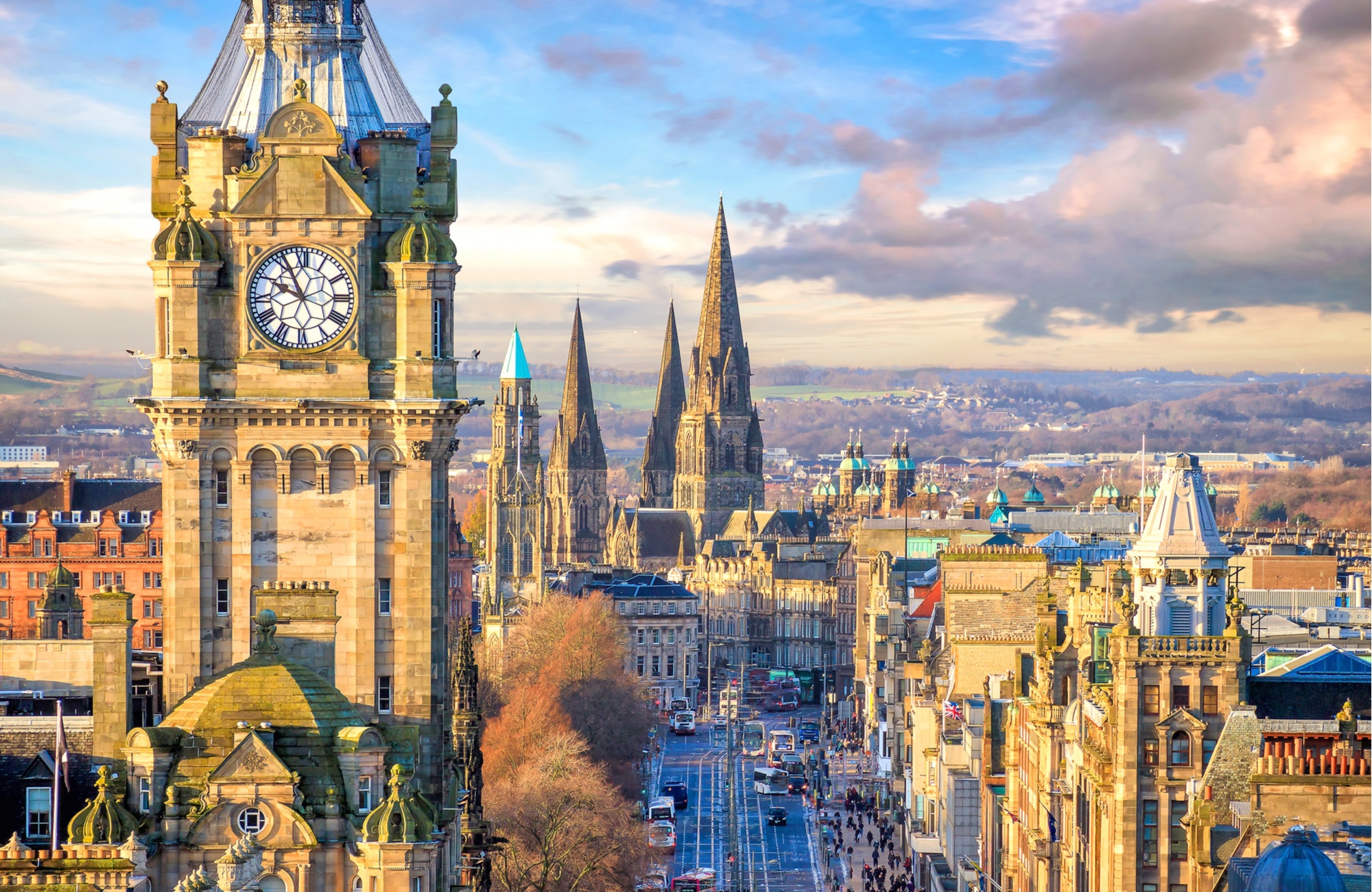
Adam Smith’s Alleged “Exceptions” to a Policy of Unilateral Free Trade
If you wish to win greater support for a policy proposal, it’s useful to draw your audience’s attention to famous and respected historical figures who, were they still alive, would almost surely join you in supporting that position. For example, if you’re pressing for a policy of protective tariffs as a means of enriching the…
-

•
There Is No Way You or Anyone Can Fully Understand the Economy
The economist’s main value to society lies in his or her ability to reveal that which in the economy typically remains unseen. This function of the economist is explained most famously by Frédéric Bastiat. But also, of course, this understanding of the economist’s role is implicit in Adam Smith’s mention of the “invisible hand.” Smith’s…
-

•
Free Trade in Ten Easy Points
Several superb books, monographs, and papers are available to introduce non-economists to the positive economics of trade and to the normative case for a policy of unilateral free trade. And it’s a good thing. Today’s increasing eagerness of people across the ideological spectrum to embrace protectionism must be resisted with all the intellectual strength that…
-
•
Socialists and their Silly Stories
My dear friend Roger Meiners, Professor of Economics at the University of Texas-Arlington, tells of a former colleague of his whose interpretation of reality should teach us all an important lesson. Roger’s colleague, a devout Marxist, once announced that the always-full shelves at American supermarkets are evidence that capitalism is failing. You read that right:…
-
•
The Economy Is Not a Series of Supply Chains
The quest to use protectionism to make us more secure in our health and wealth would sever untold numbers of productive ties that we now have with the global web of economic interconnectedness. The end result would be an America far less secure in its wealth and health.
-
•
Keep America Open
Economies, in short, grow the more open and free they are – that is, the further they are from being autarkic. Economies do not grow as a consequence of politicians and mandarins using tariffs, subsidies, and other special privileges to shield domestic producers from foreign competition.
-
•
Leviathan and Crises
And as power expands in a ratcheting-upward way, power becomes ever-more valuable and intoxicating to possess – meaning that competition to grab power becomes ever-more intense. This increasingly intense competition for power, in turn, selects those persons who are both most hungry for power and least bound by ethical restraints in pursuing and using it.
-
•
Florida Cracks Down on “Price Gouging” at the Worst-Possible Time
Products unavailable for sale at ‘normal’ prices are not actually for sale; they are utterly unobtainable – which means that their prices then are infinite.
-
•
Free Trade and Globalization are Good for Your Health
“Absurd” is way too weak a word to describe the supposition that we Americans possess 100 percent, or even anything close to a majority, of the world’s creative potential.
-
•
The Top Economic Takeaway of the Coronavirus Panic
Ultimately, our wealth consists chiefly in the ongoing willingness and ability of millions of strangers to work for us daily. Any obstacle to large numbers of people performing their daily jobs means hardship for us all.
-
•
Adam Smith’s Alleged “Exceptions” to a Policy of Unilateral Free Trade
If you wish to win greater support for a policy proposal, it’s useful to draw your audience’s attention to famous and respected historical figures who, were they still alive, would almost surely join you in supporting that position. For example, if you’re pressing for a policy of protective tariffs as a means of enriching the…
-
•
There Is No Way You or Anyone Can Fully Understand the Economy
The economist’s main value to society lies in his or her ability to reveal that which in the economy typically remains unseen. This function of the economist is explained most famously by Frédéric Bastiat. But also, of course, this understanding of the economist’s role is implicit in Adam Smith’s mention of the “invisible hand.” Smith’s…
-
•
Free Trade in Ten Easy Points
Several superb books, monographs, and papers are available to introduce non-economists to the positive economics of trade and to the normative case for a policy of unilateral free trade. And it’s a good thing. Today’s increasing eagerness of people across the ideological spectrum to embrace protectionism must be resisted with all the intellectual strength that…