
Stefan Bartl

Stefan Bartl was a research intern at AIER. He holds a bachelor’s degree in Economics from Duquesne University and a postgraduate diploma from The Diplomatic Academic of Vienna. He is currently pursuing his master’s degree in economics at the Universitat de Barcelona. In his spare time, he hosts The Economic Podcast for Gen Z.
-

•
Don’t Let Washington Pick the Next Apple
BlackBerry’s collapse shows why consumers, not Washington, should decide which AI company wins the next technological revolution.
-

•
The Lesson of 1971 Was Never About Gold
President Nixon abandoned the gold standard. The deeper problem was a monetary system dependent on political judgment.
-

•
Trillionaire Entrepreneurs, Forgotten Risks, and the Politics of Envy
Once entrepreneurial success arrives, few recall the risks, ridicule, failed ventures, sleepless nights, and near-disasters that came before.
-

•
Too Connected to Fail: Washington’s New Tech Oligarchy
From Intel to Dell, federal policy has helped create a tightly interdependent system where government power and private firms reinforce one another through subsidies, contracts, and political access.
-
•
The Land of Fire and the Cost of Green Scarcity
Azerbaijan’s energy-dependent economy and California’s costly climate mandates reveal a common lesson: environmental policy works when it is local, adaptable, and intellectually humble.
-
•
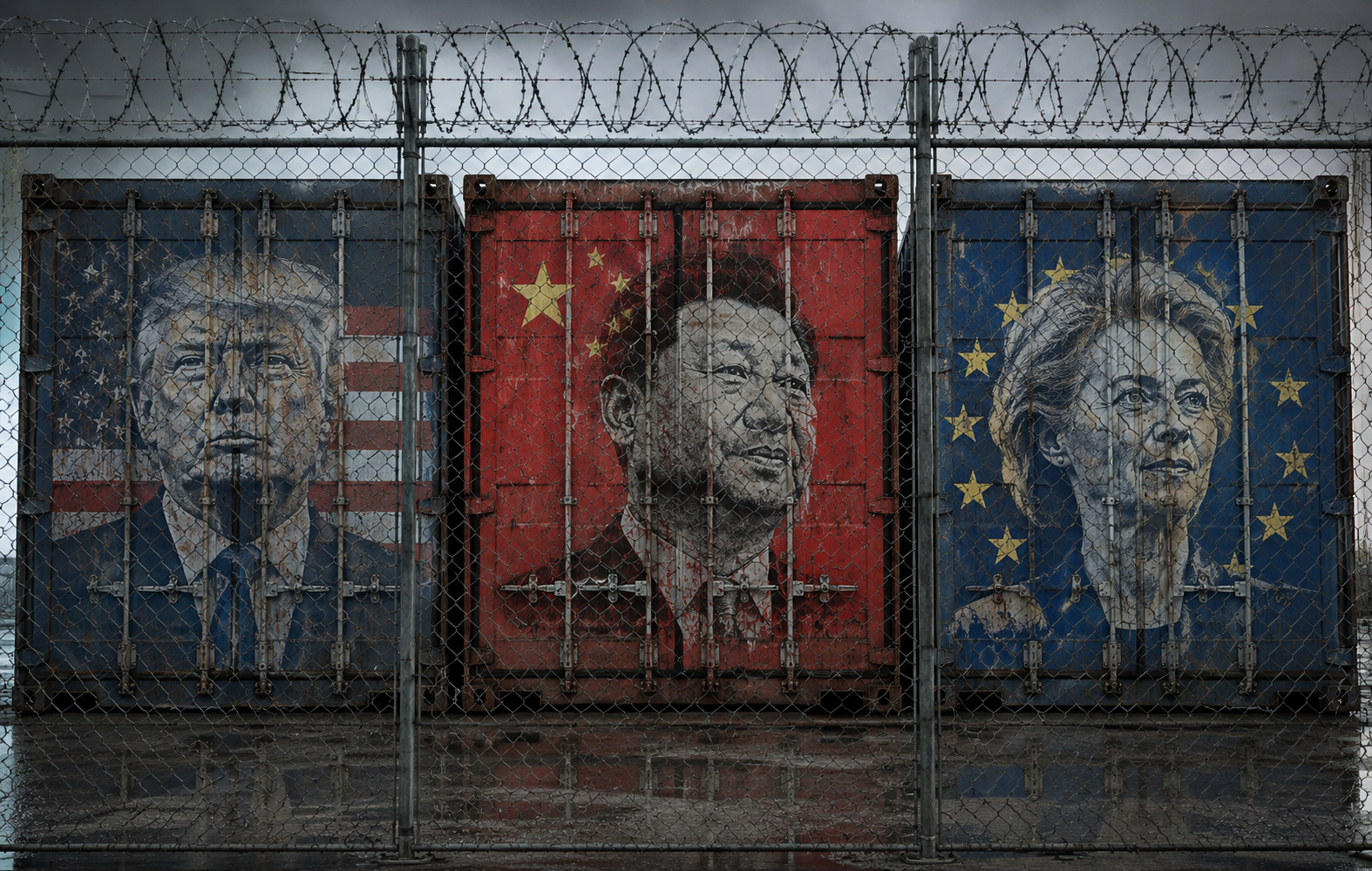
Controlled Commerce: The March of a New Global Economic Order
Washington, Beijing, and Brussels are all moving toward state-managed commerce and geopolitical trade blocs. The recent US-China summit accelerates the shift.
-

•
Regulators Broke the ‘Spirit’ of Competition — Passengers Paid the Price
Washington blocked the merger that might have saved Spirit Airlines—then stood by as it collapsed. The result: fewer flights, higher prices, and a textbook case of policy backfiring on the consumers it aimed to protect.
-

•
Taxing, Borrowing, and Printing: Three Ways America Pays for Government
Tax bills are only the beginning. Borrowing and inflation also finance federal spending — in ways that are easier to ignore but harder to escape.
-

•
April Fools for America First? Higher Prices and New War
The President returned to office on promises to lower costs at home and restore our reputation abroad. Americans got the opposite.
-

•
Earth Hour Misses Civilization’s True Triumph: Human Innovation
Turning off the lights is easy. Creating them—and the progress they bring—was humanity’s true achievement.
-
•
Don’t Let Washington Pick the Next Apple
BlackBerry’s collapse shows why consumers, not Washington, should decide which AI company wins the next technological revolution.
-
•
The Lesson of 1971 Was Never About Gold
President Nixon abandoned the gold standard. The deeper problem was a monetary system dependent on political judgment.
-
•
Trillionaire Entrepreneurs, Forgotten Risks, and the Politics of Envy
Once entrepreneurial success arrives, few recall the risks, ridicule, failed ventures, sleepless nights, and near-disasters that came before.
-
•
Too Connected to Fail: Washington’s New Tech Oligarchy
From Intel to Dell, federal policy has helped create a tightly interdependent system where government power and private firms reinforce one another through subsidies, contracts, and political access.
-
•
The Land of Fire and the Cost of Green Scarcity
Azerbaijan’s energy-dependent economy and California’s costly climate mandates reveal a common lesson: environmental policy works when it is local, adaptable, and intellectually humble.
-
•
Controlled Commerce: The March of a New Global Economic Order
Washington, Beijing, and Brussels are all moving toward state-managed commerce and geopolitical trade blocs. The recent US-China summit accelerates the shift.
-
•
Regulators Broke the ‘Spirit’ of Competition — Passengers Paid the Price
Washington blocked the merger that might have saved Spirit Airlines—then stood by as it collapsed. The result: fewer flights, higher prices, and a textbook case of policy backfiring on the consumers it aimed to protect.
-
•
Taxing, Borrowing, and Printing: Three Ways America Pays for Government
Tax bills are only the beginning. Borrowing and inflation also finance federal spending — in ways that are easier to ignore but harder to escape.
-
•
April Fools for America First? Higher Prices and New War
The President returned to office on promises to lower costs at home and restore our reputation abroad. Americans got the opposite.
-
•
Earth Hour Misses Civilization’s True Triumph: Human Innovation
Turning off the lights is easy. Creating them—and the progress they bring—was humanity’s true achievement.