
Vincent Geloso

Senior Fellow
Vincent Geloso, senior fellow at AIER, is an assistant professor of economics at George Mason University. He obtained a PhD in Economic History from the London School of Economics.
Follow him on Twitter @VincentGeloso
-

•
When Immigration Meets an Economy That Can’t Adapt
Many complaints about immigration are really byproducts of state interventions elsewhere in the economy, preventing markets from responding to new arrivals.
-
•
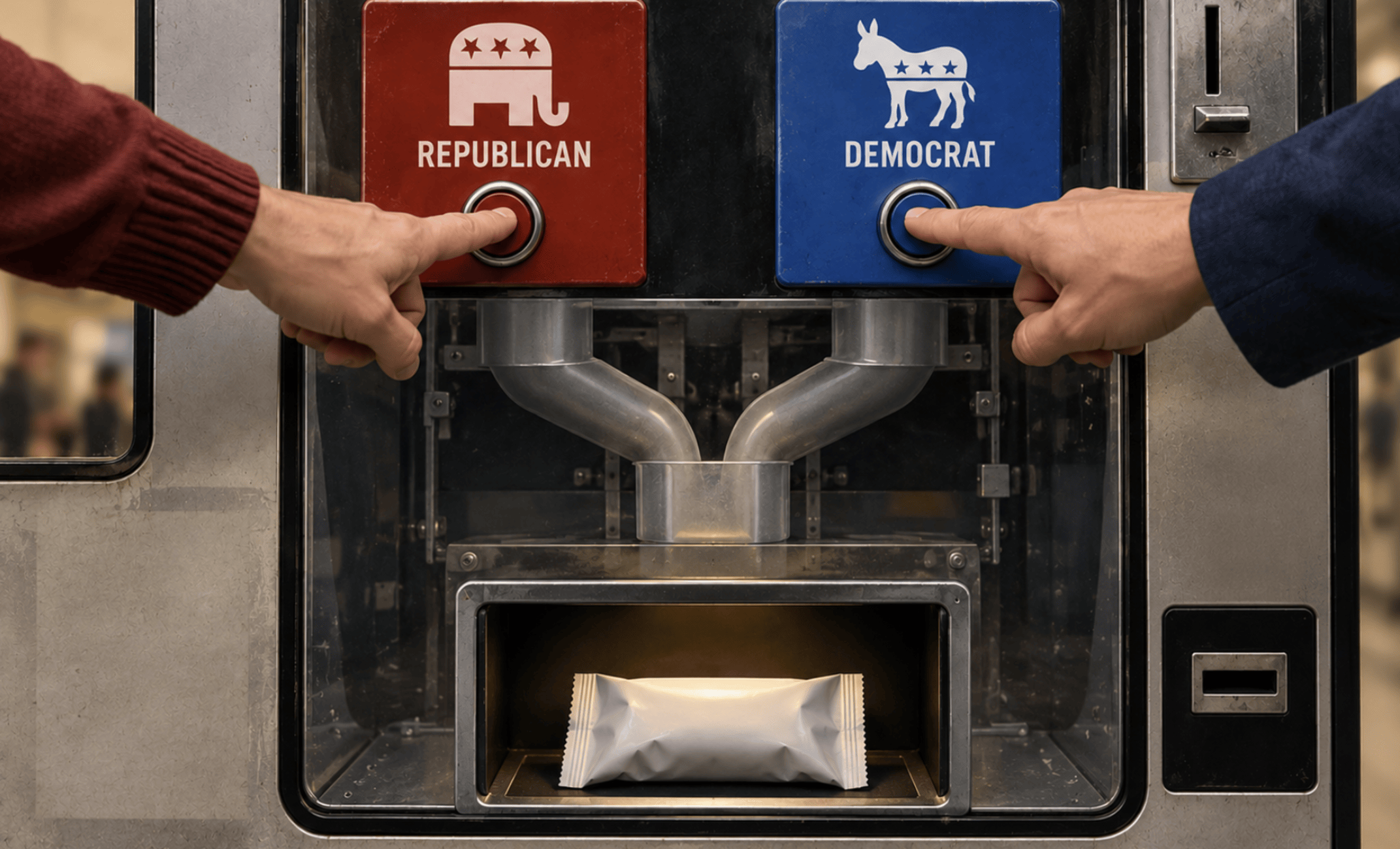
Beefsteak Socialists? Left and Right Are Competing to Control the Economy
By making political control more valuable, distorting markets can encourage rival factions to seek still more power.
-

•
Who Gets Rich from Innovation? Evidence from Broadband Expansion on the Colville Reservation
The biggest winners from new technologies are usually the people who use them, not the people who invent them.
-

•
Green Growth: Data Show Freeing Economies Doesn’t Harm the Environment
Economic liberalization has often been assumed to have environmental tradeoffs. But decades of data show the incentives of prosperity and preservation are aligned.
-

•
Could Inflation Help Explain Falling Birth Rates?
Jeffery Degner’s recent book makes the case that monetary policy reshapes time preference, and with it, decisions about family formation.
-
•
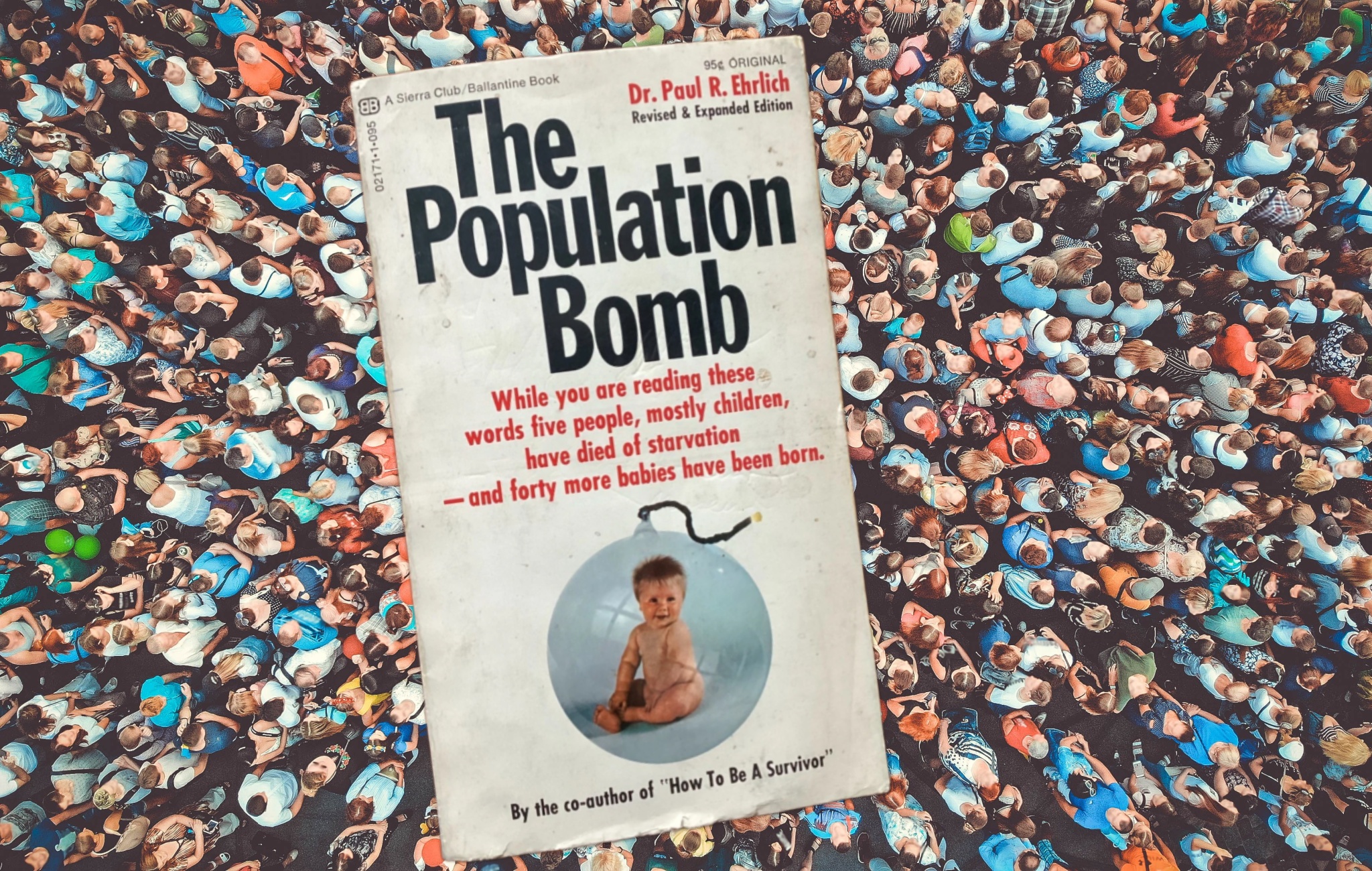
Dancing on the Tomb of Ehrlich’s Ideas
Paul Ehrlich’s dire predictions never came to pass, but they did plenty of damage. Fortunately, even his intellectual allies have abandoned his core premise of humans as planetary parasites.
-
•
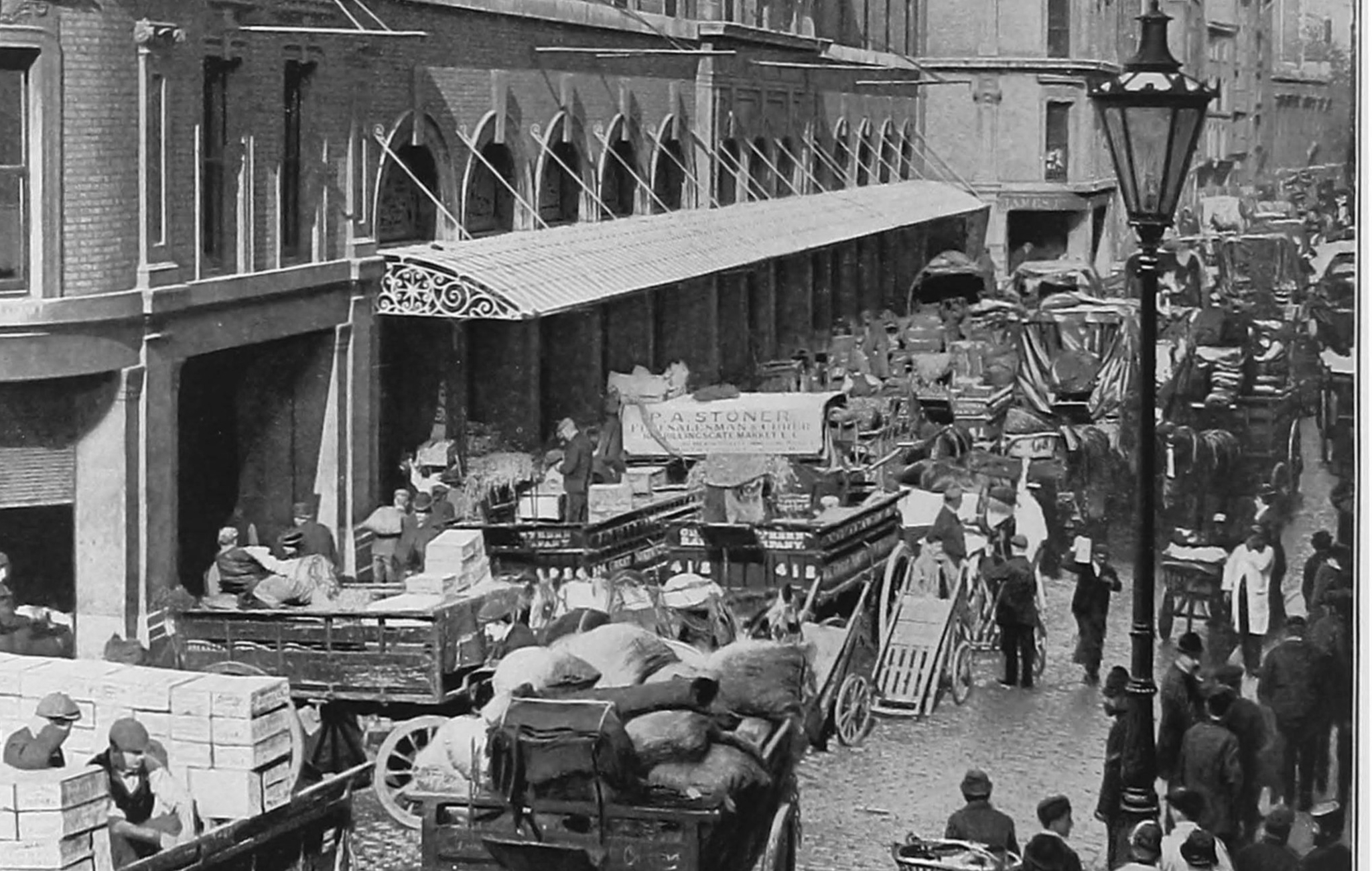
What Victorian London’s Oyster Crisis Can Teach Us about Environmental Regulation
Before defaulting to edicts and bans, we might first ask what is keeping private solutions from emerging.
-

•
Should We Set an Entry Price for Immigrants?
A price mechanism would streamline immigration while keeping its enormous social and economic benefits intact.
-

•
Are the BLS and Other Government Statistical Agencies Partisan? Here’s What My Research Found
Bureaucracies are usually too self-serving to get partisan. The consequences of bad data are high, and error rates are pretty low — no matter who is president.
-

•
Socialism, Not the Embargo, Explains Nearly All of Cuba’s Poverty
A synthetic control allows researchers to disentangle causal effects: the primary cause of Cuba’s poverty is its repressive socialist regime, with just 10 percent of the gap resulting from the trade embargo.
-
•
When Immigration Meets an Economy That Can’t Adapt
Many complaints about immigration are really byproducts of state interventions elsewhere in the economy, preventing markets from responding to new arrivals.
-
•
Beefsteak Socialists? Left and Right Are Competing to Control the Economy
By making political control more valuable, distorting markets can encourage rival factions to seek still more power.
-
•
Who Gets Rich from Innovation? Evidence from Broadband Expansion on the Colville Reservation
The biggest winners from new technologies are usually the people who use them, not the people who invent them.
-
•
Green Growth: Data Show Freeing Economies Doesn’t Harm the Environment
Economic liberalization has often been assumed to have environmental tradeoffs. But decades of data show the incentives of prosperity and preservation are aligned.
-
•
Could Inflation Help Explain Falling Birth Rates?
Jeffery Degner’s recent book makes the case that monetary policy reshapes time preference, and with it, decisions about family formation.
-
•
Dancing on the Tomb of Ehrlich’s Ideas
Paul Ehrlich’s dire predictions never came to pass, but they did plenty of damage. Fortunately, even his intellectual allies have abandoned his core premise of humans as planetary parasites.
-
•
What Victorian London’s Oyster Crisis Can Teach Us about Environmental Regulation
Before defaulting to edicts and bans, we might first ask what is keeping private solutions from emerging.
-
•
Should We Set an Entry Price for Immigrants?
A price mechanism would streamline immigration while keeping its enormous social and economic benefits intact.
-
•
Are the BLS and Other Government Statistical Agencies Partisan? Here’s What My Research Found
Bureaucracies are usually too self-serving to get partisan. The consequences of bad data are high, and error rates are pretty low — no matter who is president.
-
•
Socialism, Not the Embargo, Explains Nearly All of Cuba’s Poverty
A synthetic control allows researchers to disentangle causal effects: the primary cause of Cuba’s poverty is its repressive socialist regime, with just 10 percent of the gap resulting from the trade embargo.