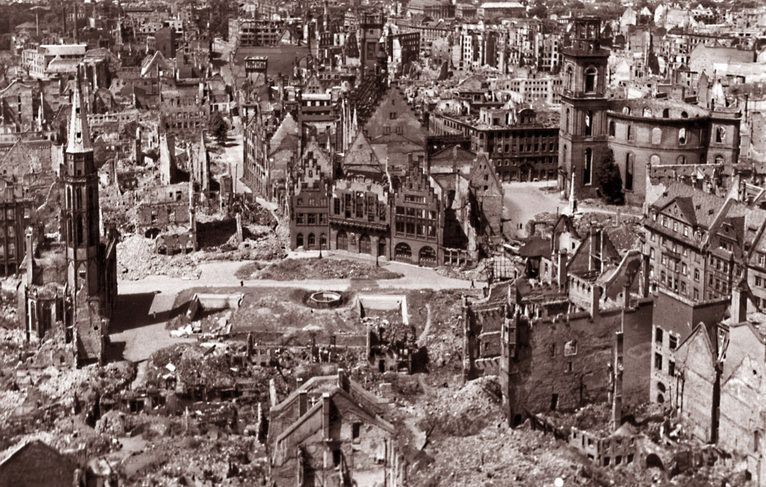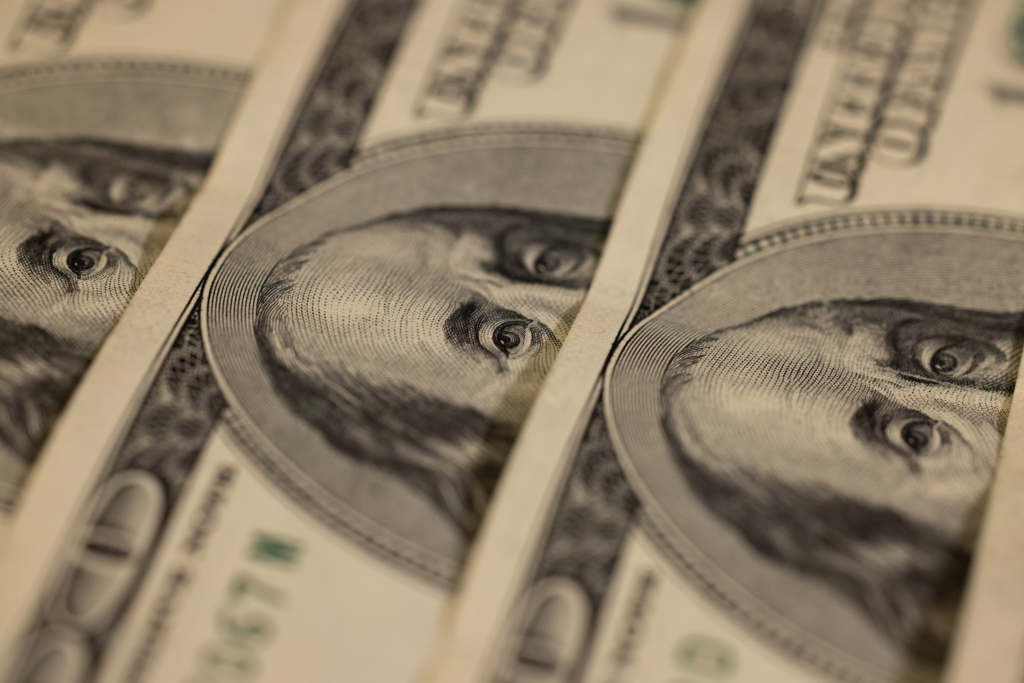

In the 2018 Academy Award nominated movie Cold War (Best Foreign Film), the U.S. dollar comes up in one of many arguments between Zula and Wiktor, the troubled couple at the center of the story. In a communist country, use of the greenback plainly signaled dissent from state-decreed collectivist misery precisely because the dollar, unlike the Polish zloty, was uniquely exchangeable for goods and services produced in the capitalist world.
In the post-WWII communist era that Cold War chronicles, the dollar had golden qualities. Not only was its value fixed at 1/35th of a gold ounce, the bigger story about the dollar was that it was the world’s currency no matter the barriers put up by governments. Backed by the most powerful nation on earth, the dollar could summon goods and services anywhere, including in Soviet satellite states. That the dollar long ago liquefied exchange of black market capitalist goods behind the Iron Curtain, and liquefies black market exchange in “enemy” countries like Iran, North Kore and Venezuela today, is and was a statement of the obvious.
It’s a reminder of what all too many economists and politicians don’t understand about money, that it’s merely an agreement about value among producers that facilitates the exchange of actual goods, services, and labor. On its own money serves no purpose. Money is a consequence of production. Since people produce goods and services in order to “import” goods and services, money is only useful insofar as there’s production first, at which point the producers of consumable goods can exchange what they have with others.
Money is the accepted measure of value that enables exchange. Wherever there’s goods and services of value, there’s logically trusted money. No one will hand over capitalist goods for paper that’s not exchangeable for goods of similar value. That’s why the dollar’s use wherever there are capitalist items to be had is such a statement of the obvious. No one’s going to hand over tangible value for paper possessing no exchangeable value. The zloty purchased little of worth even in Poland, but the dollar did.

The above is an important distinction about money, and at the same time hopefully a reminder that no one buys things with money, per se, nor does anyone take “money” in payment. The use of money is an exchange of products for other products among people of varying wants. Since no one has the same needs, good money serves an essential purpose as a trusted measure. Those selling goods for money are taking money precisely because of what it can command in the marketplace. Those buying goods are similarly handing over a medium that represents access for capitalist goods in exchange for other capitalist goods. Trade that takes place with money is always production for production.
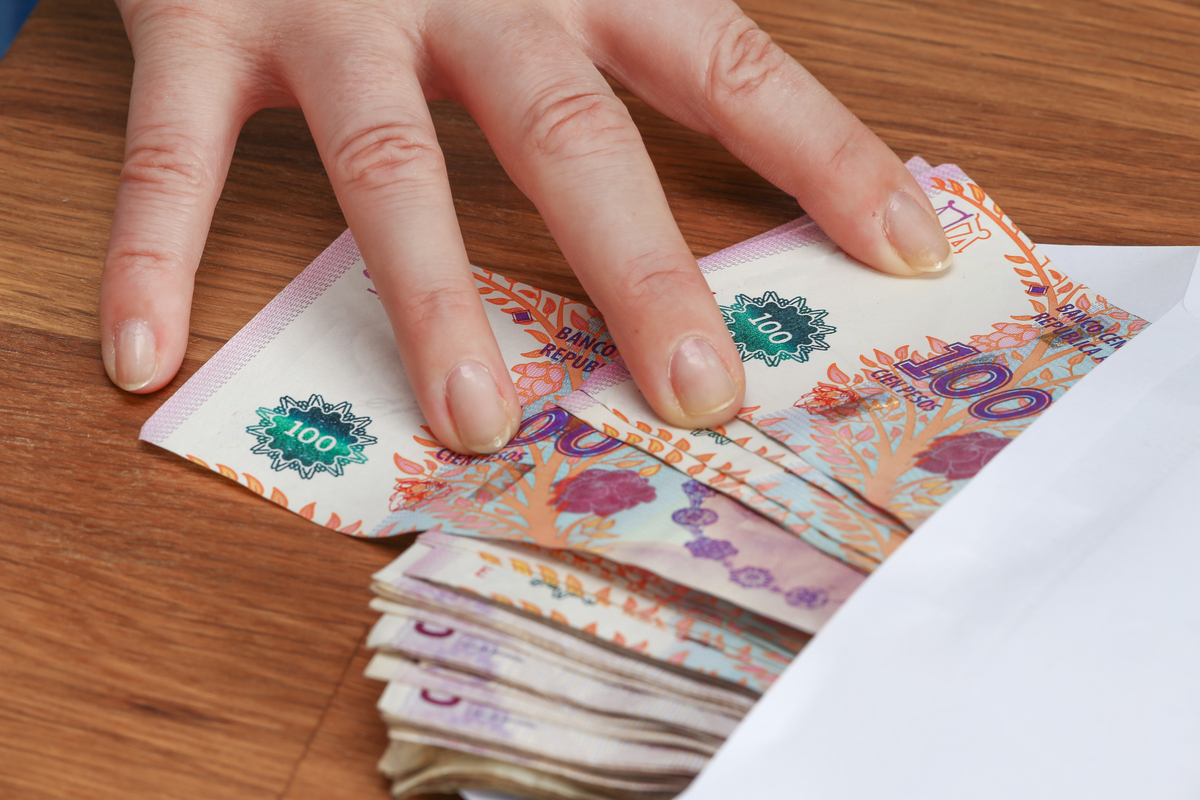
Which brings us to Argentina. The once prosperous South American country is experiencing yet another stretch of economic turbulence. Readers can likely guess what’s brought the turbulence on, but just in case, the New York Times Daniel Politi recently reported that “the possibility of the return of left-wing populism” has investors worried, with capital flight the result. In concert with investors rushing “to the exits,” Politi reports that “the currency has plunged anew.” In Argentina, a collapsing peso is as common as Super Bowl wins are for the New England Patriots. The peso is seemingly always in decline, or threatened by decline. That the peso is perpetually imperiled or collapsing is indicative of something bigger.
Specifically, it’s a sign that a great deal of trade and investment within Argentina isn’t denominated in pesos. To understand why, remember what money is. It’s an agreement about value that enables exchange of products for products. But since the peso’s value is very much a moving target, it’s not a useful facilitator of trade. Who would hand over food, clothing and shelter for pesos that may purchase quite a bit less in the way of value tomorrow, or the next day, or next week?
Economists frequently extol the virtues of currency devaluation as having some kind of positive economic impact, but they’ve plainly never talked to people in Argentina. A devaluation of the peso is a devaluation of their work, and the savings from same. Figure that we work in order to “import” what our work is exchangeable for, but Argentines unlucky enough to be paid in pesos are presently seeing the exchangeable value of their work plunge. Devaluation doesn’t stimulate economic activity, rather it suppresses it by ripping off those who are economically active, all the while causing the investors who instigate growth to take their capital elsewhere.
Funny and sad at the same time is the Mauricio Macri government’s response to the peso’s plunge. Fearful of further declines, Macri’s economic minister Hernan Lacunza announced restrictions on citizens that limit them to no more than $10,000/month in foreign currency buying; the dollar the likely purchase of choice for Argentines eager to protect their savings. Under the same decree, corporations are required to get permission to “buy any foreign currency that is not for international trade.” Lacunza’s measures meant to force Argentines to hold more pesos than they otherwise would vandalize basic economics.
They do because money that’s untrustworthy has no economic purpose. None whatsoever. Not only do limits on dollar and other foreign currency purchases rob Argentineans of the ability to protect their wealth, such measures, if enforceable, would and will make the trade that powers all economic activity a fool’s errand. Think about it. What reasonable person would accept pesos in return for real goods and services? Trade is what organizes a market economy, it’s what allows us to specialize, but if the currency can’t be trusted there’s logically going to be less trade. For Lacunza to decree limits to foreign currency usage like the dollar is for him to pour gasoline on an already burning fire.
Even sillier is another decree from Lacunza which demands that Argentine companies “repatriate earnings from foreign sales within five business days.” The money fallacy rears its ugly head again. Implicit in Lacunza’s rule is that money itself is the instigator of economic activity, as opposed to a consequence. For those who’ve forgotten, money is always and everywhere a consequence of economic activity. If Argentina’s economy is slowing, no amount of “money supply” will alter this reality. On the other hand, if the Macri government gets out of the way while dismissing economic illiterates like Lacunza, production in the country will increase, and with it “money supply.” Readers should never forget that “money supply” is production determined, not the spark that leads to production.
As for requirements that Argentine individuals and companies keep money in country while repatriating funds earned outside, these moves will amount to nothing. Money’s sole use is once again as a facilitator of exchange between producers, and nothing else. If the economy is slow as is being reported, forced repatriation will achieve much less than nothing. It’s the equivalent of forcing Argentineans to stuff money under their mattresses, and hoping for a positive economic outcome.
This piece originally ran in RealClearMarkets
Share This Article

Post on Facebook

Post on X

Print Article

Email Article