
Paul McDonnold

Paul McDonnold is a freelance writer. His writing has appeared in the Christian Science Monitor, World Magazine, JStor Daily and other publications. He is the author of The Economics of Ego Surplus, a novel of economic terrorism, and has an MS in economic research from the University of North Texas.
-
•
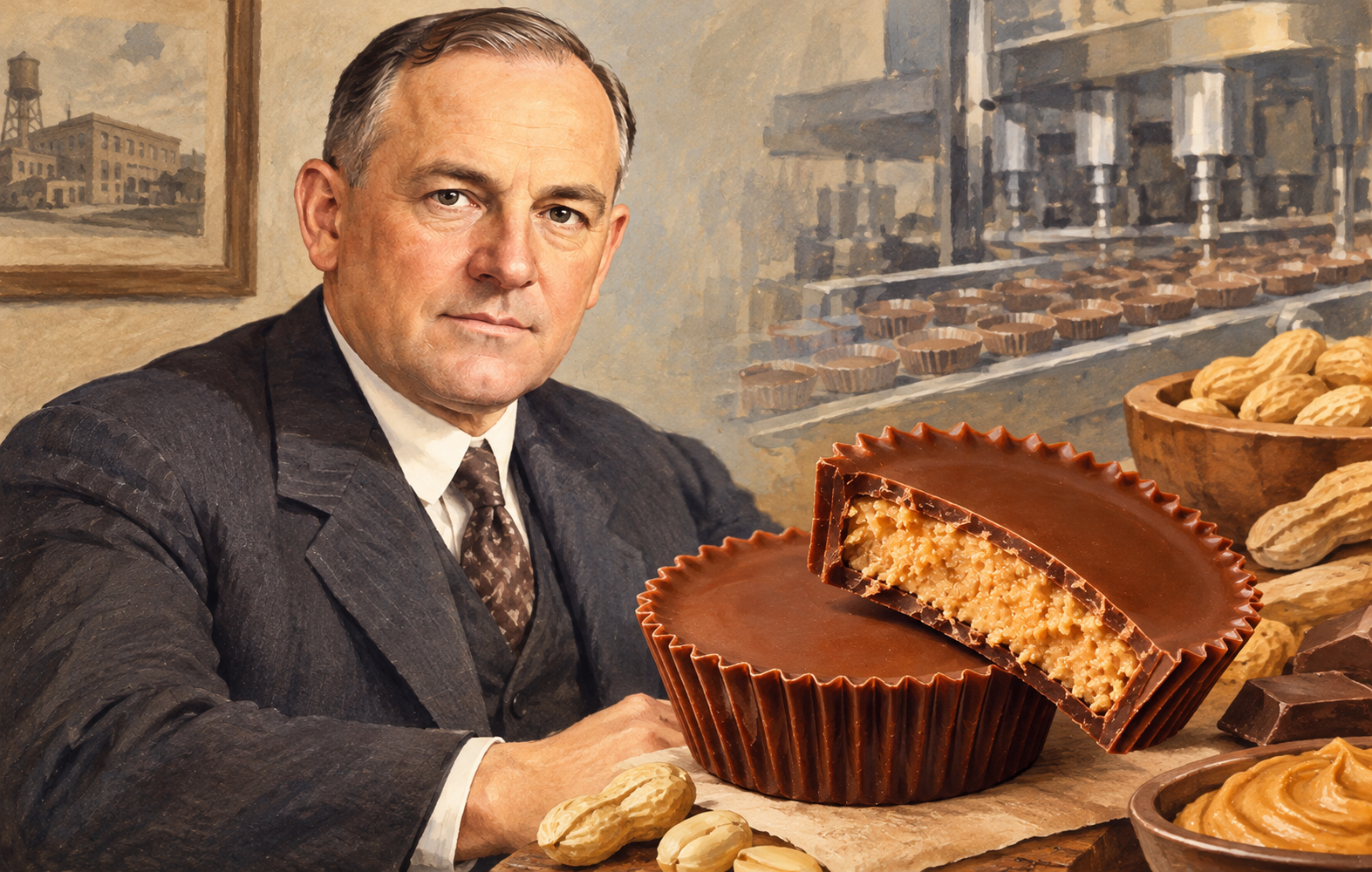
How H.B. Reese Turned Failure Into Sweet Success
The entrepreneur behind the peanut butter cup once worked at Hershey’s. In his own basement, he discovered the power of turning failure into opportunity.
-

•
Free Enterprise Transformed the American South
The twentieth century saw the American South transformed from widespread poverty into market-driven economic dynamism.
-

•
Rubble to Riches: Reckoning with West Germany’s Postwar Economic Miracle
Tobias Straumann’s new book explains how economic freedoms and currency reform helped West Germany outstrip not just the Soviet Socialist East, but many other nations, on its way to economic recovery.
-

•
The Battle for the Future of Space
Rainer Zitelmann’s ‘Space Capitalism’ argues that property rights and free markets — not government control — will determine whether humanity’s next great frontier becomes a thriving commercial enterprise.
-

•
The Swinging Sixties, Chicago School Style
At the height of the cultural revolution, a group of Chicago economists was quietly launching one of its own.
-

•
Rolling Stone and the Making of a Counterculture Capitalist Success Story
In ‘The Rise of Hip Capitalism,’ author Charles L. Ponce de Leon traces how Rolling Stone fused countercultural rebellion with entrepreneurial ambition, turning cultural dissent into a media empire.
-

•
Harry Potter and the Deathly Economic Misconceptions
From goblin banks to unbreakable galleons, the wizarding world of Harry Potter reflects a form of folk economics that clashes with the realities of prosperity and growth.
-

•
Sorkin’s ‘1929’: Panic, Politics, and the Search for Villains
Andrew Ross Sorkin delivers a tightly written, highly readable account of the 1929 crash, using strong storytelling and vivid detail to trace the panic and its aftermath.
-

•
Finding Sympathy for Karl Marx
The founder of Marxism once wrote movingly about faith and virtue before taking what his own father feared might be a “Faustian” turn toward revolution and resentment.
-

•
Why Democracy Needs the Rich
In his new book, John O. McGinnis makes the case for why the wealthy matter for democracy — and why attacking them may backfire.
-
•
How H.B. Reese Turned Failure Into Sweet Success
The entrepreneur behind the peanut butter cup once worked at Hershey’s. In his own basement, he discovered the power of turning failure into opportunity.
-
•
Free Enterprise Transformed the American South
The twentieth century saw the American South transformed from widespread poverty into market-driven economic dynamism.
-
•
Rubble to Riches: Reckoning with West Germany’s Postwar Economic Miracle
Tobias Straumann’s new book explains how economic freedoms and currency reform helped West Germany outstrip not just the Soviet Socialist East, but many other nations, on its way to economic recovery.
-
•
The Battle for the Future of Space
Rainer Zitelmann’s ‘Space Capitalism’ argues that property rights and free markets — not government control — will determine whether humanity’s next great frontier becomes a thriving commercial enterprise.
-
•
The Swinging Sixties, Chicago School Style
At the height of the cultural revolution, a group of Chicago economists was quietly launching one of its own.
-
•
Rolling Stone and the Making of a Counterculture Capitalist Success Story
In ‘The Rise of Hip Capitalism,’ author Charles L. Ponce de Leon traces how Rolling Stone fused countercultural rebellion with entrepreneurial ambition, turning cultural dissent into a media empire.
-
•
Harry Potter and the Deathly Economic Misconceptions
From goblin banks to unbreakable galleons, the wizarding world of Harry Potter reflects a form of folk economics that clashes with the realities of prosperity and growth.
-
•
Sorkin’s ‘1929’: Panic, Politics, and the Search for Villains
Andrew Ross Sorkin delivers a tightly written, highly readable account of the 1929 crash, using strong storytelling and vivid detail to trace the panic and its aftermath.
-
•
Finding Sympathy for Karl Marx
The founder of Marxism once wrote movingly about faith and virtue before taking what his own father feared might be a “Faustian” turn toward revolution and resentment.
-
•
Why Democracy Needs the Rich
In his new book, John O. McGinnis makes the case for why the wealthy matter for democracy — and why attacking them may backfire.