From government bans to customers pouring it in gutters by the gallon, Americans are saying “nyet” to Russian vodka, expressing their anger over the Kremlin’s unprovoked invasion of Ukraine.
Politicians have known since the republic’s founding that folks love taking out their frustrations at the ballot box. And in a capitalist economy like ours, Americans aren’t shy about doing it with their pocketbooks, either.
In fact, American independence actually grew out of one such economic protest.
Britain shelled out big bucks (or pounds, as it were) on the French-Indian War from 1754-1763. To recoup that money, Parliament imposed the Stamp Act in 1765. Everything from playing cards to magazines to newspapers required the hated tax stamp. And get this—it had to be paid in actual British pounds, not with the colonials’ own cheaper paper money.
Taxes being every bit as popular then as they are now, the colonials weren’t too merry about sending their income back to Merry Olde England.
It led to the famous rallying cry, “Taxation without representation!” It also produced an economic boycott. Colonists suddenly found they could do without new playing cards, magazines, and newspapers. That hurt businesses’ bottom line back in Britain, and King George III put the kibosh on the hated tax a year later.
When the U.S. entered World War I in 1917, many patriotic people boycotted eating Germany’s signature dish, sauerkraut. Those who couldn’t go without the tart treat justified it by rebranding it “Liberty Cabbage” for the duration.
In more recent times, Russia’s best-known brand of booze, Stolichnaya Vodka, was also the target of a widespread boycott. On Sept. 1, 1983, Korean Air Lines flight 007 veered off course and was shot down over Soviet airspace. All 269 people on board, including Georgia Congressman Larry McDonald, were killed.
That prompted an immediate and intense pushback from furious American consumers. At its height, 15 state liquor agencies banned Stoli sales. But the bottles were back on most store shelves in less than a year. And in some places the boycott boomeranged. In Iowa, for example, sales shot up from an average of 34 cases sold before the crisis to 68 afterward.
Another Cold War relic, the Cuban Trade Embargo, didn’t go entirely as planned, either. The Kennedy administration announced a major extension of existing embargos to punish the island’s Communist government. Cutting off exports of legendary Cuban cigars turned them into highly prized “forbidden fruit” relished by stogie connoisseurs. It should also be noted JFK secretly ordered some 1,200 of those very cigars for his personal use just hours before announcing the embargo on Feb. 7, 1962. Talk about “insider trading!”
A mini backlash against France in general and a famous food item in particular came in 2001. France opposed the U.S.-led invasion of Iraq. That prompted some eateries (including congressional restaurants on Capitol Hill) to stop selling French Fries and offer “Freedom Fries” instead.
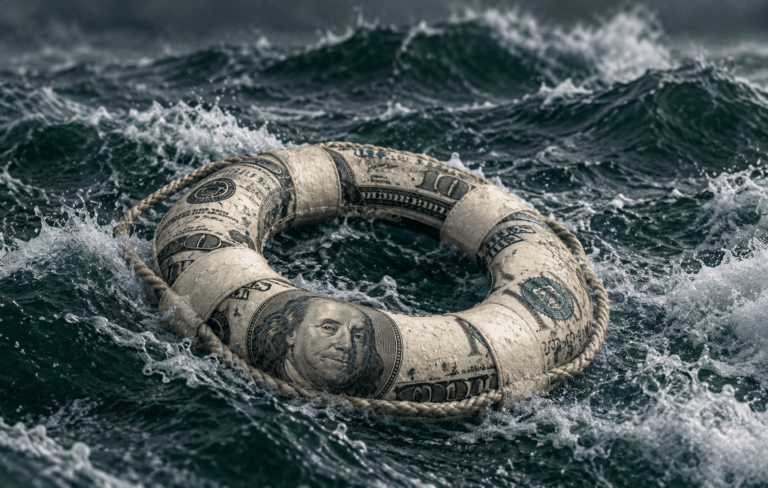
The current crackdown on Russian booze is part of a proud tradition. When Americans are miffed, they view cash registers as voting booths and their dollars as their ballot.
A parting point worth noting: Like so many words in our vocabulary (sandwich, cardigan, braille, and even graham crackers), boycott comes from someone’s name.
After retiring from the British army, Capt. Charles Boycott worked as a landlord in Ireland. Times were hard on the Emerald Isle in the late 19th century. Tenants demanded their rent be lowered. It came down a little, but not enough to help the impoverished Irishmen. Boycott was ordered to evict people in 1880.
That didn’t go over well in the close-knit Irish community. His employees stopped working for him, store owners wouldn’t take his money, and even his postal carrier refused to deliver his mail. In short, they boycotted Boycott. Which was how that proper noun became a verb.
A verb American vodka vendors are hearing quite often these days.
Share This Article

Post on Facebook

Post on X

Print Article

Email Article