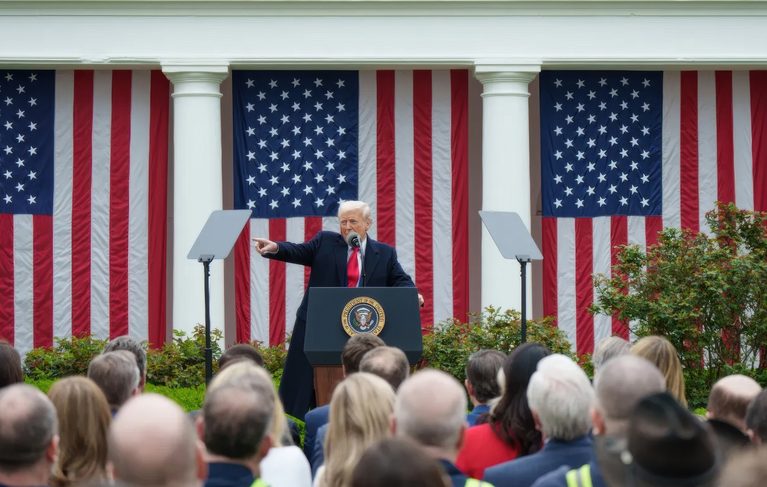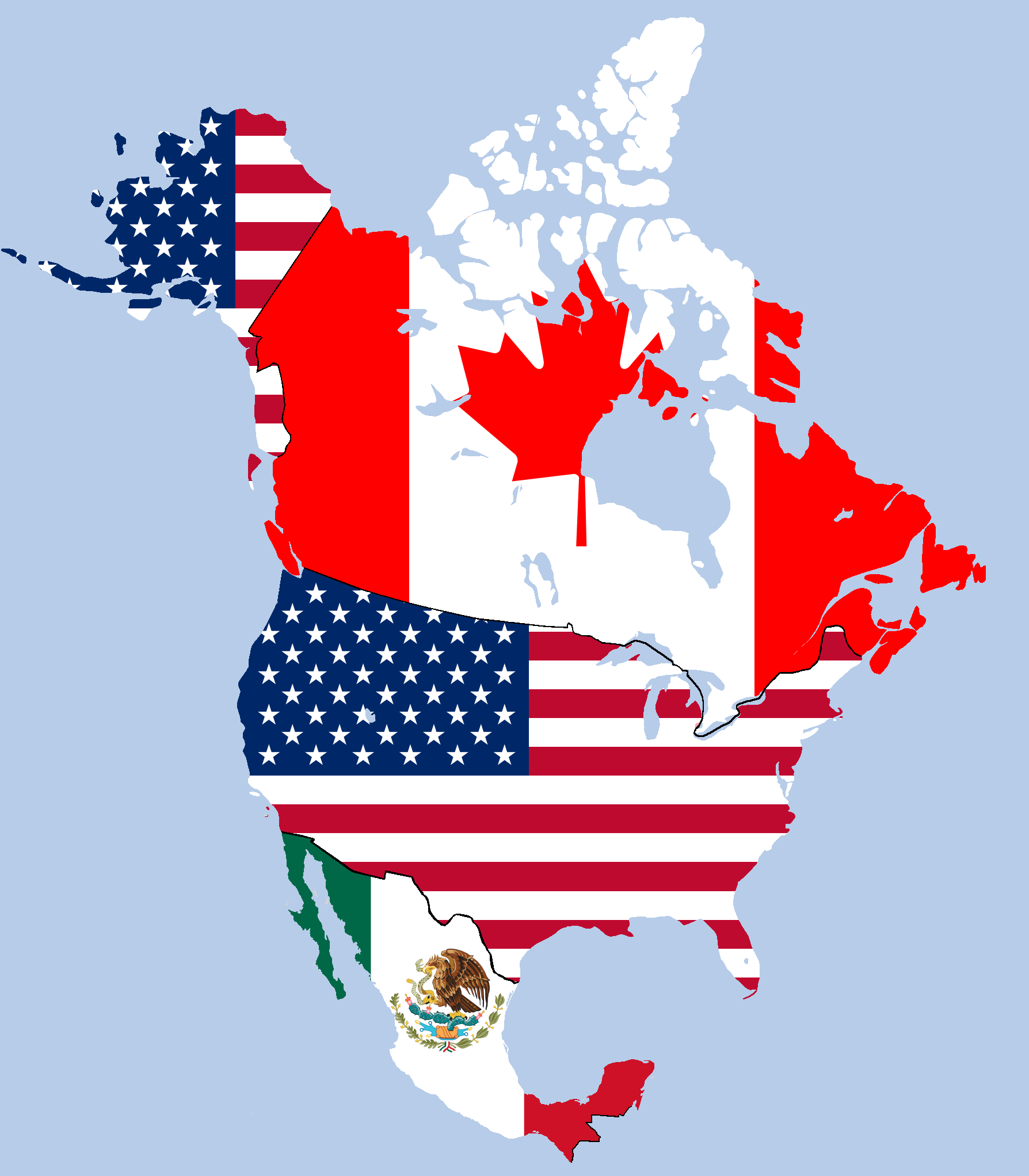

As delegations from the United States, Canada, and Mexico concluded their first round of talks to renegotiate the North American Free Trade Agreement, President Donald Trump’s rhetoric suggested the type of policies we worried about back in February. “Personally,” Trump said at a recent rally, “I don’t think we can make a deal because we have been so badly taken advantage of.”
Many Americans are united in their lack of enthusiasm for President Trump protecting the nation from being taken advantage of. But those who support free markets and less government intervention sometimes have different perspectives when it comes to “free trade.” While these differences tend to disappear when talking about long-term goals, they do apply when thinking about next steps.
Writing for the free market institute Mises Canada in January, Danny Leroy nicely summed up why “free trade agreements” like NAFTA are not free but rather managed trade: “If NAFTA was a genuine articulation of free trade, there would be nothing to renegotiate.” Leroy continued that “managed trade agreements like NAFTA involve government provision of advantages to some while maintaining or creating impediments for others.… The agreement is more than 2000 pages in length, 900 of which are tariffs – taxes on importers of various products. The agreement does have trade-liberalizing features, to be sure. Consisting of a 10 percent reduction in tariffs to be phased in over 15 years, however, they are all but buried under the profusion of controls NAFTA also establishes.”
Those who incorrectly view libertarians as a monolithic group might be surprised, considering Leroy’s piece, to read a Cato Institute working paper released this month in which Simon Lester, Inu Manak, and Daniel Ikenson call NAFTA a “groundbreaking achievement” that “eliminated nearly all tariffs among three significant trading partners and achieved liberalization on a wide range of other issues (some of which had never before been included in trade agreements).” The paper takes a detailed look at what could be improved in NAFTA from a pro–free trade perspective. The authors recommend modernizing provisions to account for new developments in the past 20 years, such as e-commerce, and including industries left out of original liberalizing provisions, such as Canadian supplies of lumber and dairy, poultry, and eggs.
This gap in perspective may be narrower than it seems. Without putting words in the authors’ mouths, my guess is they would agree that the long-term goal should be a world where governments don’t have to reach complex agreements to make free trade happen. The conflict is really a difference in focus, between long-run vision and incremental steps. Support for one paper, then, does not imply opposition to the other.
Share This Article

Post on Facebook

Post on X

Print Article

Email Article