
Crisis
-

•
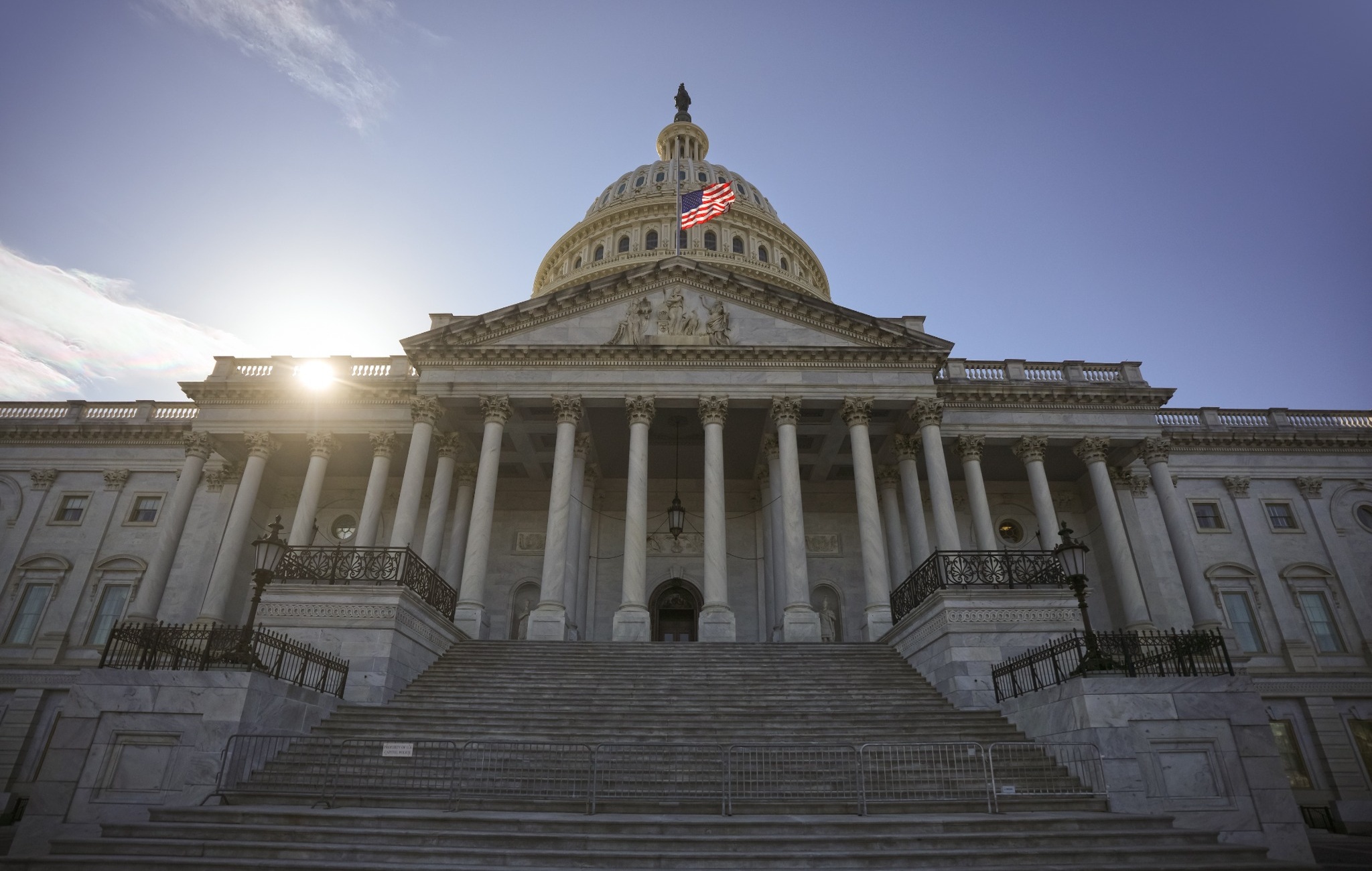
Why Didn’t 2008 Bank Bailouts Produce COVID-Level Inflation?
Washington responded to two crises with extraordinary monetary and fiscal interventions. Why did COVID-era stimulus produce soaring inflation when the response to the 2008 financial crisis did not?
-
•
The $46 Trillion Price of Avoiding Social Security Reform
Delaying Social Security reform would spare politicians difficult choices today while leaving taxpayers with a much larger bill tomorrow.
-

•
Good Intentions Paved the Road to the 2008 Financial Crisis
The financial crisis demonstrated how regulations can produce dangerous incentives — and how discretionary intervention can magnify uncertainty. Eighteen years later, policymakers remain tempted by both.
-

•
Twenty-Five Years After 9/11, Fear Is Testing Freedom Again
America answered the terror of 9/11 by making every citizen more visible to the state. Will our genuine fears of AI be used to erode liberty and privacy even further?
-

•
The Real Cost of $40 Trillion in Debt
Unchecked spending has pushed the federal debt to $40 trillion, weakening the economy and limiting the nation’s options when the next emergency arrives.
-
•
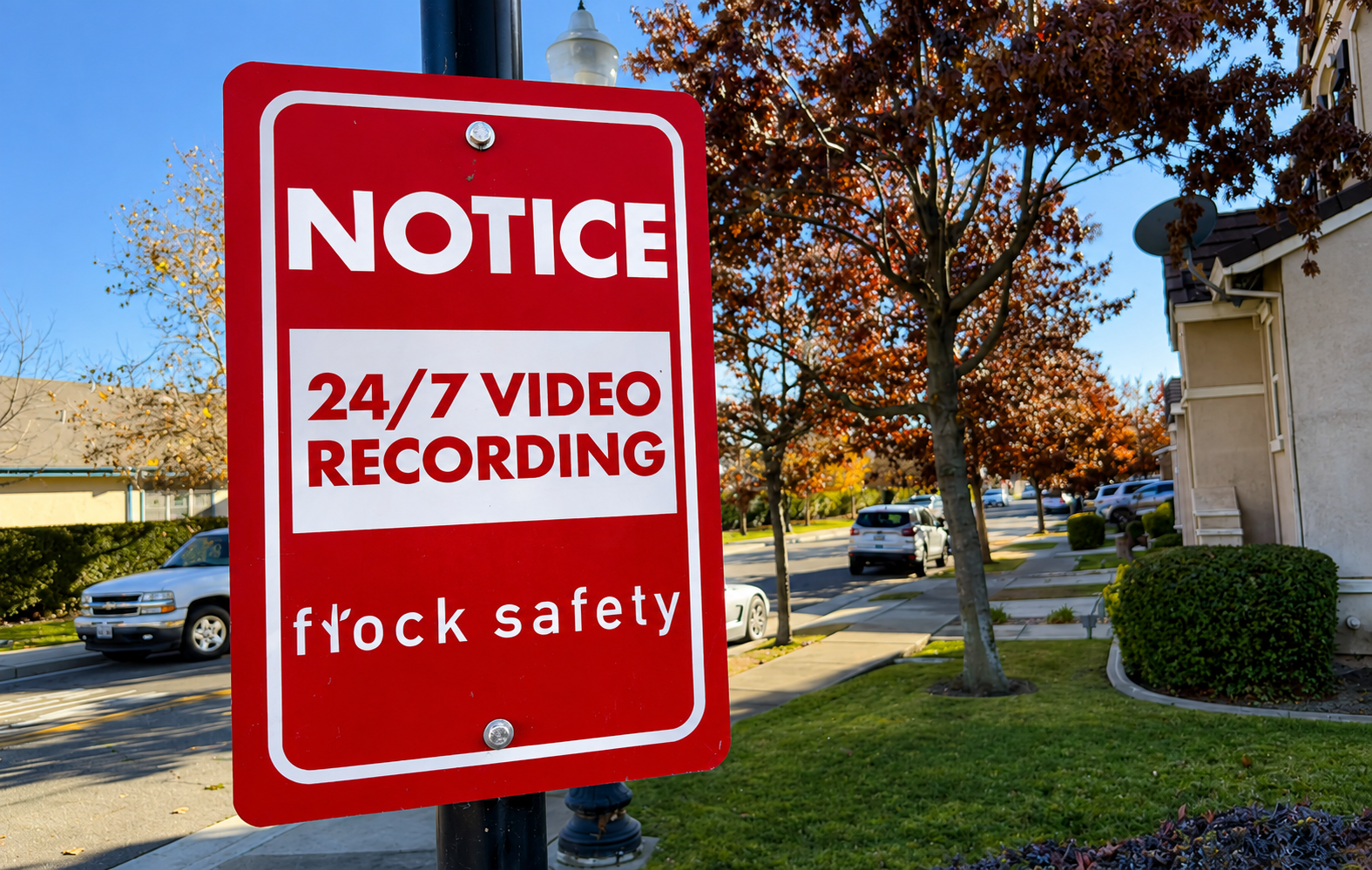
Flock Cameras vs. Freedom: Welcome to the Warrantless Panopticon
Flock cameras promise easier policing by destroying the Fourth Amendment — creating a permanent, searchable, warrantless database of everywhere Americans go.
-

•
Could Inflation Help Explain Falling Birth Rates?
Jeffery Degner’s recent book makes the case that monetary policy reshapes time preference, and with it, decisions about family formation.
-

•
Is Housing Less Affordable Than Ever? Sort Of
Home prices and financing costs are still high, but several indicators suggest the market has moved past peak distortion.
-
•
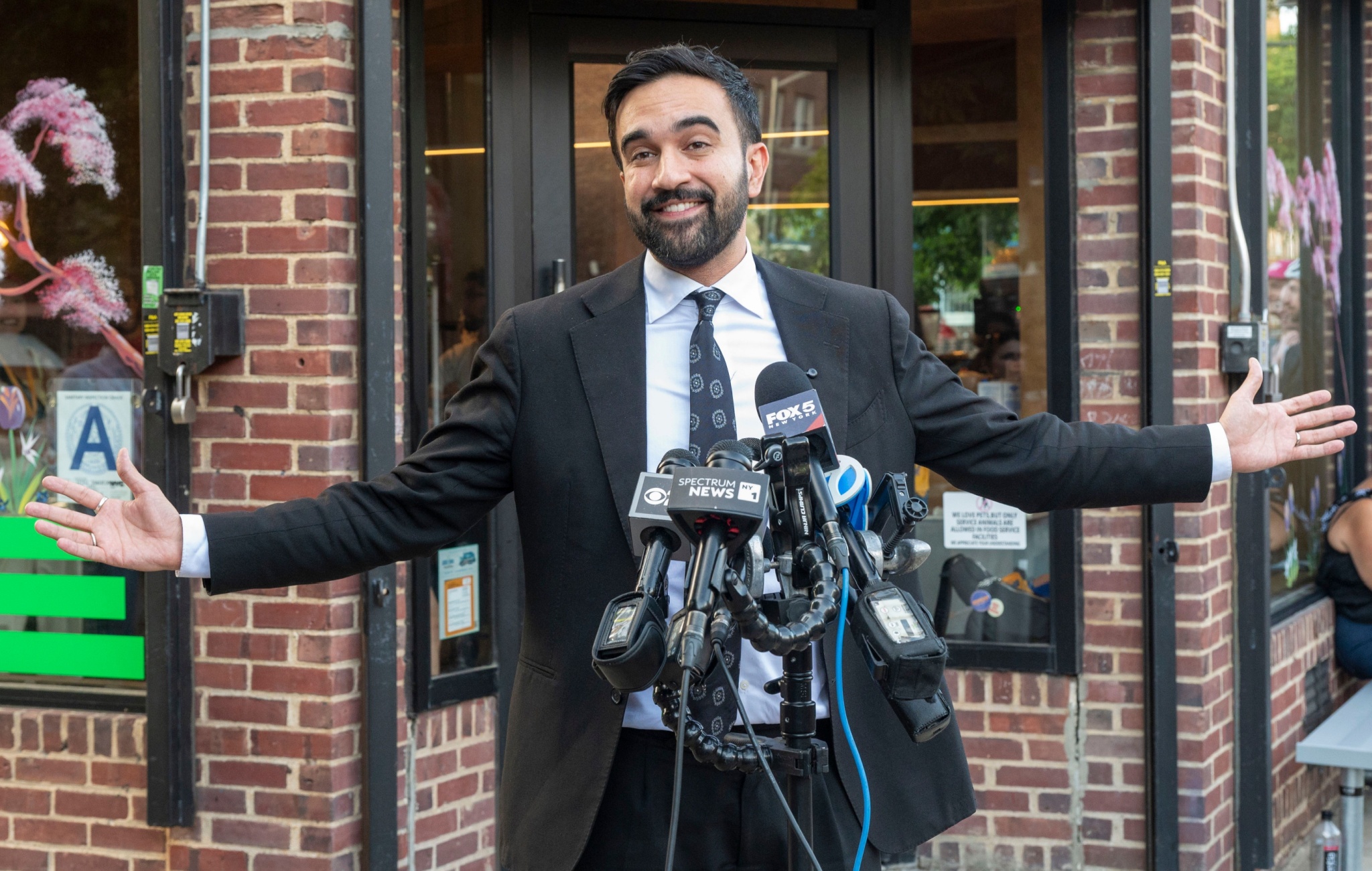
The Big Apple’s Rotten Budget Move: Raiding Pensions for Short-Term Spending
Delaying pension contributions may ease immediate pressure on New York City’s budget, but the shell game reveals deeper weaknesses in the city’s finances.
-
•
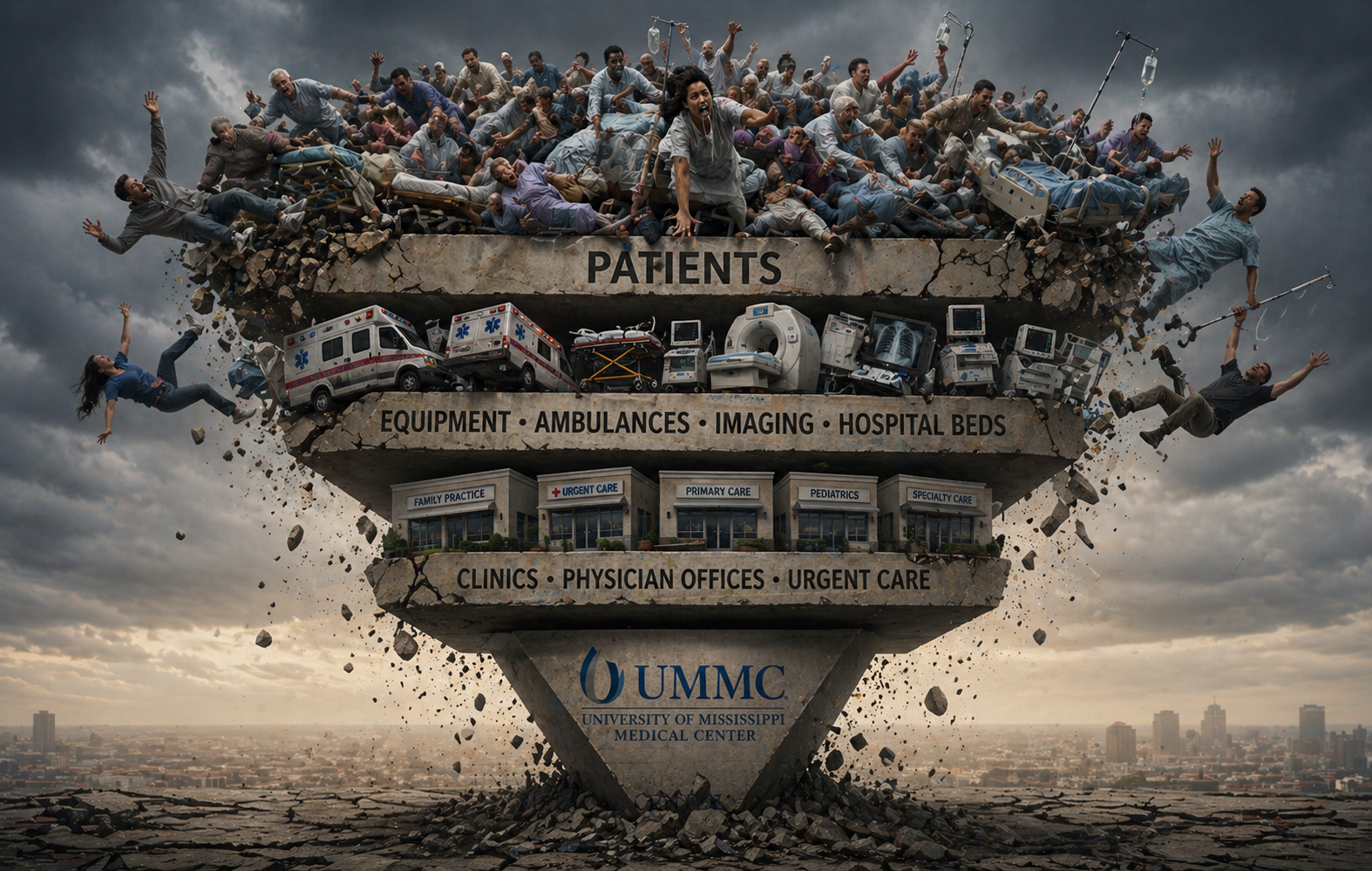
Cyberattack Exposes Risks of Policy-Driven Healthcare Concentration
When one provider goes offline, others should step in. Mississippi’s experience shows how certificate-of-need laws prevent that — and why reform matters for public health.
-
•
Why Didn’t 2008 Bank Bailouts Produce COVID-Level Inflation?
Washington responded to two crises with extraordinary monetary and fiscal interventions. Why did COVID-era stimulus produce soaring inflation when the response to the 2008 financial crisis did not?
-
•
The $46 Trillion Price of Avoiding Social Security Reform
Delaying Social Security reform would spare politicians difficult choices today while leaving taxpayers with a much larger bill tomorrow.
-
•
Good Intentions Paved the Road to the 2008 Financial Crisis
The financial crisis demonstrated how regulations can produce dangerous incentives — and how discretionary intervention can magnify uncertainty. Eighteen years later, policymakers remain tempted by both.
-
•
Twenty-Five Years After 9/11, Fear Is Testing Freedom Again
America answered the terror of 9/11 by making every citizen more visible to the state. Will our genuine fears of AI be used to erode liberty and privacy even further?
-
•
The Real Cost of $40 Trillion in Debt
Unchecked spending has pushed the federal debt to $40 trillion, weakening the economy and limiting the nation’s options when the next emergency arrives.
-
•
Flock Cameras vs. Freedom: Welcome to the Warrantless Panopticon
Flock cameras promise easier policing by destroying the Fourth Amendment — creating a permanent, searchable, warrantless database of everywhere Americans go.
-
•
Could Inflation Help Explain Falling Birth Rates?
Jeffery Degner’s recent book makes the case that monetary policy reshapes time preference, and with it, decisions about family formation.
-
•
Is Housing Less Affordable Than Ever? Sort Of
Home prices and financing costs are still high, but several indicators suggest the market has moved past peak distortion.
-
•
The Big Apple’s Rotten Budget Move: Raiding Pensions for Short-Term Spending
Delaying pension contributions may ease immediate pressure on New York City’s budget, but the shell game reveals deeper weaknesses in the city’s finances.
-
•
Cyberattack Exposes Risks of Policy-Driven Healthcare Concentration
When one provider goes offline, others should step in. Mississippi’s experience shows how certificate-of-need laws prevent that — and why reform matters for public health.