
Environmentalism
-

•
EPA Phase Out of Gas-Powered Cars Has Ominous Historic Echoes
“Forcing automobile companies to expand production of their least-profitable product lines at the expense of their best-performing ones is economic madness.” ~Jon Miltimore
-

•
How the Subsidy Straw Is Sucking The Colorado River Dry
“A trifecta of farming-sector entitlements have incentivized producers to grow thirsty plants, underpriced water extraction, and created moral hazard….Subsidies have made water 10 times cheaper in Arizona than in Michigan.” ~Peter Clark
-
•
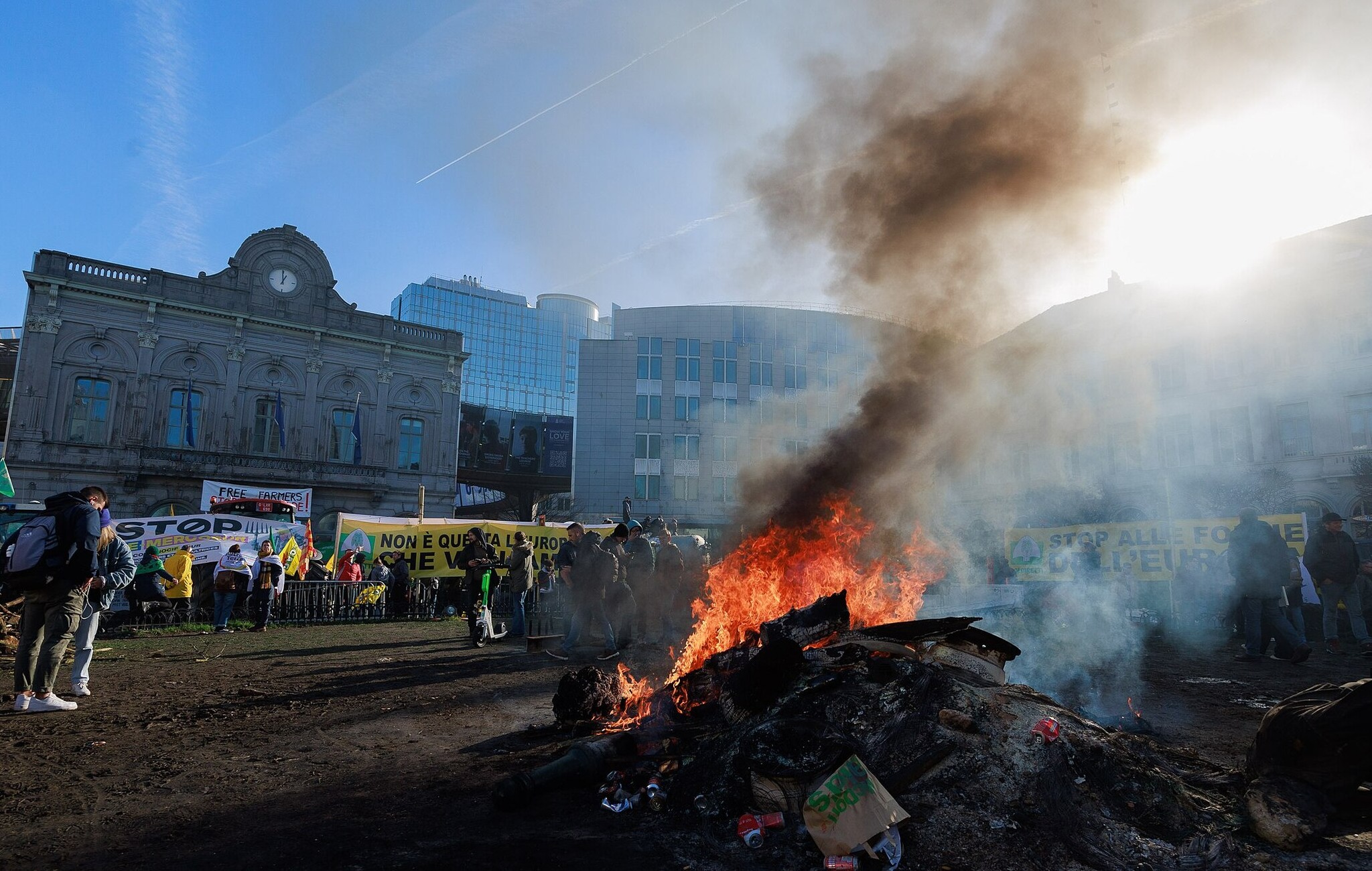
High Costs, Greenlash Hit Europe
“Like any other good, environmental protection has an opportunity cost. Surveys indicate that the majority of Europeans support green laws; however, a majority is also increasingly worried about the cost.” ~Nikolai Wenzel
-

•
The Carbon Offset Dilemma
“One really has to question the motives of climate activists who oppose the expansion of natural gas and nuclear power. Do they want to see realistic and sustainable environmental improvement or are they after some other kind of payout?” ~Paul Mueller
-

•
NJ’s Plastic Bag Ban Backfires Horribly
“Ignoring the secondary consequences of a policy and focusing solely on its primary intended consequences is what separates a bad economist from a good one.” ~Jon Miltimore
-

•
Biden to Export Ideology Instead of Natural Gas
“By restricting natural gas exports, the administration seeks to impose its vision for the future on the rest of the world.” ~Joel Griffith
-

•
A Short Guide to ESG: Conclusions
“Unfortunately, ESG experts and government officials are convinced that they already know the answers to these questions and simply need to redirect massive resources accordingly. But if they are wrong, we will all suffer.” ~Paul Mueller
-
•
A Short Guide to ESG: Philosophical Problems
“At the end of the day, much of the Environmental, Social, and Governance movement rests on a pretense of knowledge. What’s worse, it puts the interest of the ‘collective’ over the wellbeing of individuals.” ~Paul Mueller
-
•
A Short Guide to ESG: Political Problems
“By what right do largely unelected global elite ESG advocates get to impose their priorities and values (to their own benefit) on everyone else in the world?” ~Paul Mueller
-

•
Podcast: ESG’s Moral Crusade for a ‘Green New World’
ESG has been perniciously changing the way corporations, governments, NGOs and institutions operate. This discussion on the Liberty Curious podcast highlights the utopian ideals and ideological shifts that have shaped the ESG movement.
-
•
EPA Phase Out of Gas-Powered Cars Has Ominous Historic Echoes
“Forcing automobile companies to expand production of their least-profitable product lines at the expense of their best-performing ones is economic madness.” ~Jon Miltimore
-
•
How the Subsidy Straw Is Sucking The Colorado River Dry
“A trifecta of farming-sector entitlements have incentivized producers to grow thirsty plants, underpriced water extraction, and created moral hazard….Subsidies have made water 10 times cheaper in Arizona than in Michigan.” ~Peter Clark
-
•
High Costs, Greenlash Hit Europe
“Like any other good, environmental protection has an opportunity cost. Surveys indicate that the majority of Europeans support green laws; however, a majority is also increasingly worried about the cost.” ~Nikolai Wenzel
-
•
The Carbon Offset Dilemma
“One really has to question the motives of climate activists who oppose the expansion of natural gas and nuclear power. Do they want to see realistic and sustainable environmental improvement or are they after some other kind of payout?” ~Paul Mueller
-
•
NJ’s Plastic Bag Ban Backfires Horribly
“Ignoring the secondary consequences of a policy and focusing solely on its primary intended consequences is what separates a bad economist from a good one.” ~Jon Miltimore
-
•
Biden to Export Ideology Instead of Natural Gas
“By restricting natural gas exports, the administration seeks to impose its vision for the future on the rest of the world.” ~Joel Griffith
-
•
A Short Guide to ESG: Conclusions
“Unfortunately, ESG experts and government officials are convinced that they already know the answers to these questions and simply need to redirect massive resources accordingly. But if they are wrong, we will all suffer.” ~Paul Mueller
-
•
A Short Guide to ESG: Philosophical Problems
“At the end of the day, much of the Environmental, Social, and Governance movement rests on a pretense of knowledge. What’s worse, it puts the interest of the ‘collective’ over the wellbeing of individuals.” ~Paul Mueller
-
•
A Short Guide to ESG: Political Problems
“By what right do largely unelected global elite ESG advocates get to impose their priorities and values (to their own benefit) on everyone else in the world?” ~Paul Mueller
-
•
Podcast: ESG’s Moral Crusade for a ‘Green New World’
ESG has been perniciously changing the way corporations, governments, NGOs and institutions operate. This discussion on the Liberty Curious podcast highlights the utopian ideals and ideological shifts that have shaped the ESG movement.