
Research
-

•
Understanding Public Debt Redux
Readers have sent in excellent questions about public debt since the release of our Explainer. Here, the authors answer a few.
-

•
Does a Construction Cartel Explain Rising Rents?
“Stoller and Quintero may well be right that home-builder concentration does reduce housing supply and raise costs, but it hasn’t been proven yet, and it’s at best a minor factor compared to the zoning restrictions.” ~Jason Sorens
-

•
How ‘Equalizing’ School Finance Hurts Students and Taxpayers
“New Hampshire is the most fiscally decentralized state in the country, with about two-thirds of the total tax burden being municipal…Households have a lot of choice about where to live, and they exercise it.” ~Jason Sorens and Judge Glock
-

•
AIER’s Everyday Price Index Creeps up Slightly in July 2024
“Housing costs continue to drive inflation higher. Some economists had forecast that substantial rent increases would have eased by now, but the numbers suggest that the housing inflation story isn’t over yet.” ~Peter C. Earle
-

•
Red States, Blue States: A Tale of Two Economies
“States like Texas and Florida, prioritizing low taxes and minimal regulation, have created environments where businesses can thrive. This is reflected in their strong job growth and relatively low unemployment rates.” ~Vance Ginn
-

•
Podcast: How free is your state?
AIER’s Jason Sorens joins Kate Wand on Liberty Curious to discuss his book ‘Freedom in the 50 States.” In this 7th edition, New Hampshire, Florida, and South Dakota are the freest states in the country. Where does your state rank?
-

•
Business Conditions Monthly October 2023
“While we continue to impartially and vigilantly assess incoming data, our current analysis still points to a recession occurring before September 2024 as the most probable scenario.” ~Peter C. Earle
-

•
It’s Time to Discard Piketty’s Inequality Statistics
“As the study and measurement of inequality progresses, Piketty’s (and his team’s) main estimates have become obsolete and might be properly consigned to the field of the history of economic thought.” ~Phil Magness & Vincent Geloso
-

•
AIER’s Thanksgiving Cost Index Climbs Over 5 Percent from 2022 to 2023
“The constituents of the Thanksgiving Cost Index include turkey, sauces and gravies, bread, canned fruit, vegetables, and pies and cakes.” ~Peter C. Earle
-
•
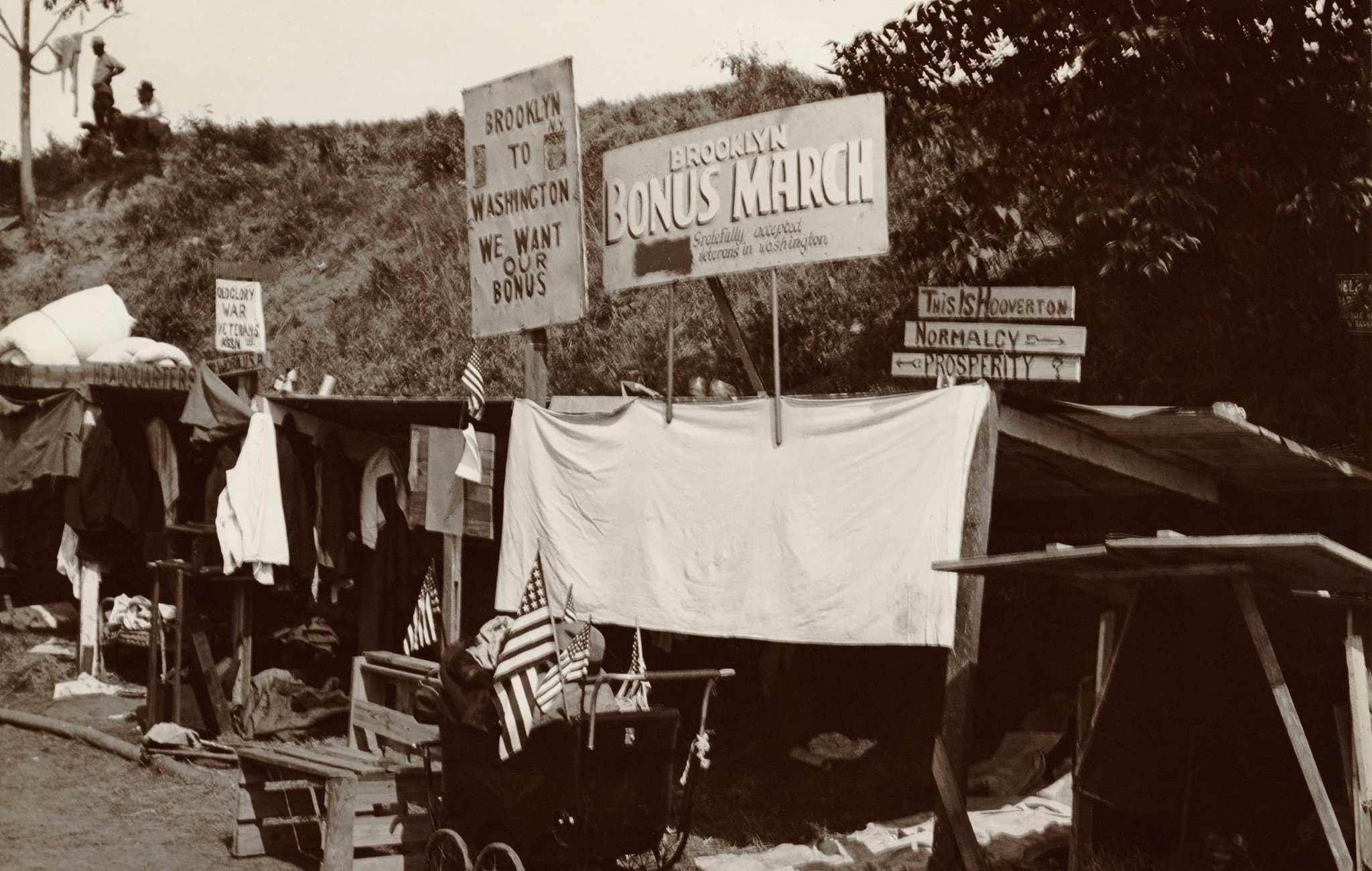
College History Textbooks spread Misinformation about the Great Depression
“US history instruction, including at the college level, is badly out of sync with the scholarly literature on the Great Depression. History textbooks show little cognizance of the leading economic explanations for this famous event.” ~Phil W. Magness
-
•
Understanding Public Debt Redux
Readers have sent in excellent questions about public debt since the release of our Explainer. Here, the authors answer a few.
-
•
Does a Construction Cartel Explain Rising Rents?
“Stoller and Quintero may well be right that home-builder concentration does reduce housing supply and raise costs, but it hasn’t been proven yet, and it’s at best a minor factor compared to the zoning restrictions.” ~Jason Sorens
-
•
How ‘Equalizing’ School Finance Hurts Students and Taxpayers
“New Hampshire is the most fiscally decentralized state in the country, with about two-thirds of the total tax burden being municipal…Households have a lot of choice about where to live, and they exercise it.” ~Jason Sorens and Judge Glock
-
•
AIER’s Everyday Price Index Creeps up Slightly in July 2024
“Housing costs continue to drive inflation higher. Some economists had forecast that substantial rent increases would have eased by now, but the numbers suggest that the housing inflation story isn’t over yet.” ~Peter C. Earle
-
•
Red States, Blue States: A Tale of Two Economies
“States like Texas and Florida, prioritizing low taxes and minimal regulation, have created environments where businesses can thrive. This is reflected in their strong job growth and relatively low unemployment rates.” ~Vance Ginn
-
•
Podcast: How free is your state?
AIER’s Jason Sorens joins Kate Wand on Liberty Curious to discuss his book ‘Freedom in the 50 States.” In this 7th edition, New Hampshire, Florida, and South Dakota are the freest states in the country. Where does your state rank?
-
•
Business Conditions Monthly October 2023
“While we continue to impartially and vigilantly assess incoming data, our current analysis still points to a recession occurring before September 2024 as the most probable scenario.” ~Peter C. Earle
-
•
It’s Time to Discard Piketty’s Inequality Statistics
“As the study and measurement of inequality progresses, Piketty’s (and his team’s) main estimates have become obsolete and might be properly consigned to the field of the history of economic thought.” ~Phil Magness & Vincent Geloso
-
•
AIER’s Thanksgiving Cost Index Climbs Over 5 Percent from 2022 to 2023
“The constituents of the Thanksgiving Cost Index include turkey, sauces and gravies, bread, canned fruit, vegetables, and pies and cakes.” ~Peter C. Earle
-
•
College History Textbooks spread Misinformation about the Great Depression
“US history instruction, including at the college level, is badly out of sync with the scholarly literature on the Great Depression. History textbooks show little cognizance of the leading economic explanations for this famous event.” ~Phil W. Magness