
trade policy
-

•
The Tariff Crash of 2025: The Price of Economic Amnesia
Tariffs imposed by President Trump have raised the US average effective tariff rate to 22 percent — the highest since 1909.
-

•
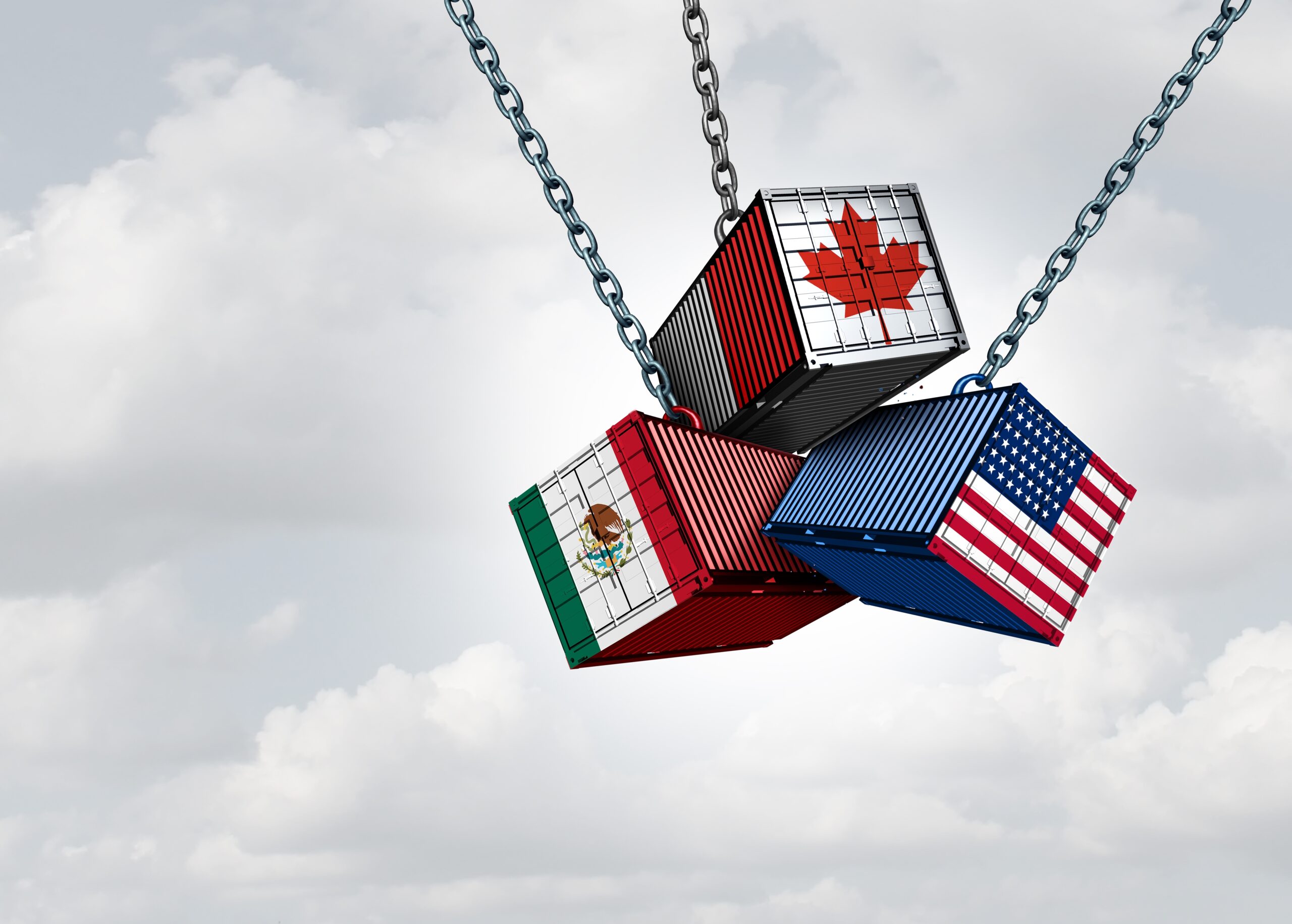
Even Tariff Supporters Say Trump’s Trade War Is a Disaster for Americans
Unions, progressives, and populists agree: targeting Canada and Mexico is “chaotic,” “ineffective,” and will “cause unnecessary economic pain.”
-

•
Tampering with Trade is a Fool’s Game
Preferential trade terms, like other non-tariff barriers, distort markets and shackle economic growth.
-
•
The Intervention Spiral: What to Expect from Trump’s Trade Policy
While specific trade policies may be difficult to predict, the concept of the “dynamics of interventionism” gives us a framework to anticipate what we can expect.
-

•
Kill Sugar Tariffs (and Corn Subsidies) to Make America Healthy Again
Reducing American’s consumption of high-fructose corn syrup could be as simple as ending the taxes that caused the switch.
-

•
The Tariff Trade-Off Many Economists Ignore
The deadweight loss caused by higher tariffs could, at least in theory, be offset by gains from a lower income tax rate.
-

•
Tariffs are Pushing Our Neighbors – and Prosperity – Away
Tariffs reduce job growth and drive up costs. Now, they’re prompting our major trading partners to do less business with the US overall.
-

•
Rethinking Trade Deficits: Foreign Dollar Holdings Are Really US Exports
Rising US trade deficits represent foreigners’ eagerness to invest in America, contributing to our productivity and prosperity.
-

•
Do Reciprocal Tariffs Double-Down on Protectionism, or Promote Free Trade?
Free trade is the optimal outcome, and unilateral free trade remains beneficial even in the face of foreign tariffs.
-

•
Falling GDP Amid Falling Trade Deficits?
Tariffs on imported goods raise the costs of production, reduces imports, and reduce GDP. Trade barriers create malinvestment and waste.
-
•
The Tariff Crash of 2025: The Price of Economic Amnesia
Tariffs imposed by President Trump have raised the US average effective tariff rate to 22 percent — the highest since 1909.
-
•
Even Tariff Supporters Say Trump’s Trade War Is a Disaster for Americans
Unions, progressives, and populists agree: targeting Canada and Mexico is “chaotic,” “ineffective,” and will “cause unnecessary economic pain.”
-
•
Tampering with Trade is a Fool’s Game
Preferential trade terms, like other non-tariff barriers, distort markets and shackle economic growth.
-
•
The Intervention Spiral: What to Expect from Trump’s Trade Policy
While specific trade policies may be difficult to predict, the concept of the “dynamics of interventionism” gives us a framework to anticipate what we can expect.
-
•
Kill Sugar Tariffs (and Corn Subsidies) to Make America Healthy Again
Reducing American’s consumption of high-fructose corn syrup could be as simple as ending the taxes that caused the switch.
-
•
The Tariff Trade-Off Many Economists Ignore
The deadweight loss caused by higher tariffs could, at least in theory, be offset by gains from a lower income tax rate.
-
•
Tariffs are Pushing Our Neighbors – and Prosperity – Away
Tariffs reduce job growth and drive up costs. Now, they’re prompting our major trading partners to do less business with the US overall.
-
•
Rethinking Trade Deficits: Foreign Dollar Holdings Are Really US Exports
Rising US trade deficits represent foreigners’ eagerness to invest in America, contributing to our productivity and prosperity.
-
•
Do Reciprocal Tariffs Double-Down on Protectionism, or Promote Free Trade?
Free trade is the optimal outcome, and unilateral free trade remains beneficial even in the face of foreign tariffs.
-
•
Falling GDP Amid Falling Trade Deficits?
Tariffs on imported goods raise the costs of production, reduces imports, and reduce GDP. Trade barriers create malinvestment and waste.