
Daily Economy
-

•
Can Russia Outlaw Childlessness?
Countries with declining populations often strategize to promote births. Unfortunately, they rarely try loosening the grip of state economic control.
-

•
Cash, Not Control: A Global History of Basic Income
The new book ‘Welfare for Markets’ contextualizes the centuries-long effort to disentangle social welfare investments from broken bureaucratic programs.
-

•
Milei’s Economic Miracle: How Argentina Slashed Inflation to 1.5%
Argentina’s economist-turned-president has defied the odds (and the experts’ opinions) to set a “society sick with socialism” back on a path to fiscal health.
-

•
Trump’s Handwritten Note to Powell: Lower Rates Abroad, So Why Not Here?
Do lower interest rates in other countries really mean the Fed is too tight?
-

•
But Lagarde, Europe Is a Museum!
A shift of foreign investments from dollars to euros would only make inflation and confiscation risks worse.
-

•
The Persistence of Benefit Cliffs: A Behavioral Look at a Policy Problem
As long as benefit cliffs are treated primarily as a math problem, we will continue to miss the mark. Benefit cliffs are not just technical design flaws — they are psychological traps.
-
•
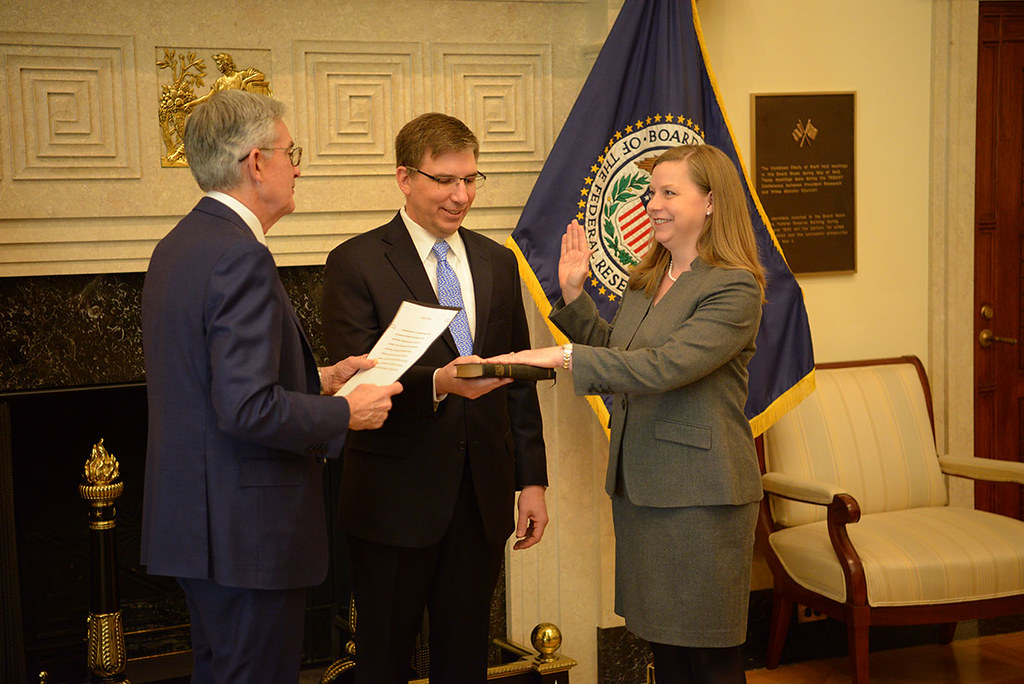
There’s a New Sheriff at the Fed
Michelle Bowman’s remarks offer a clear vision for a more focused, flexible, and transparent regulatory regime. It’s a welcome recalibration.
-
•
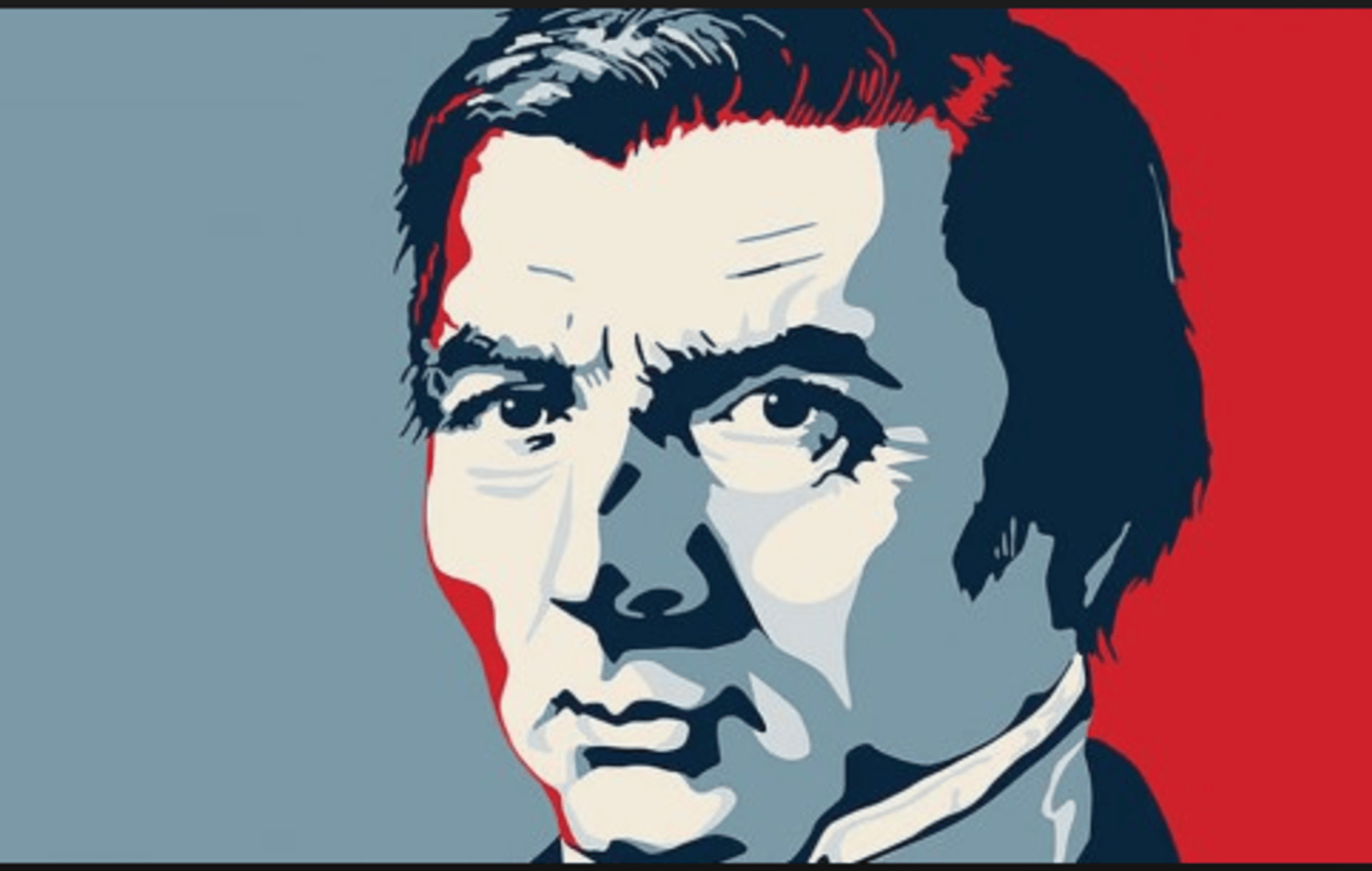
Rediscovering Frédéric Bastiat in an Age of Tariffs
Bastiat’s writing combines campy, folksy stories with blinding economic logic. Even 200 years later, he has much to teach us.
-

•
Despite Tariffs, Inflation Remained Low in May
The best the Fed can do (whether or not tariff shocks appear) is keep nominal spending on a stable trajectory.
-
•
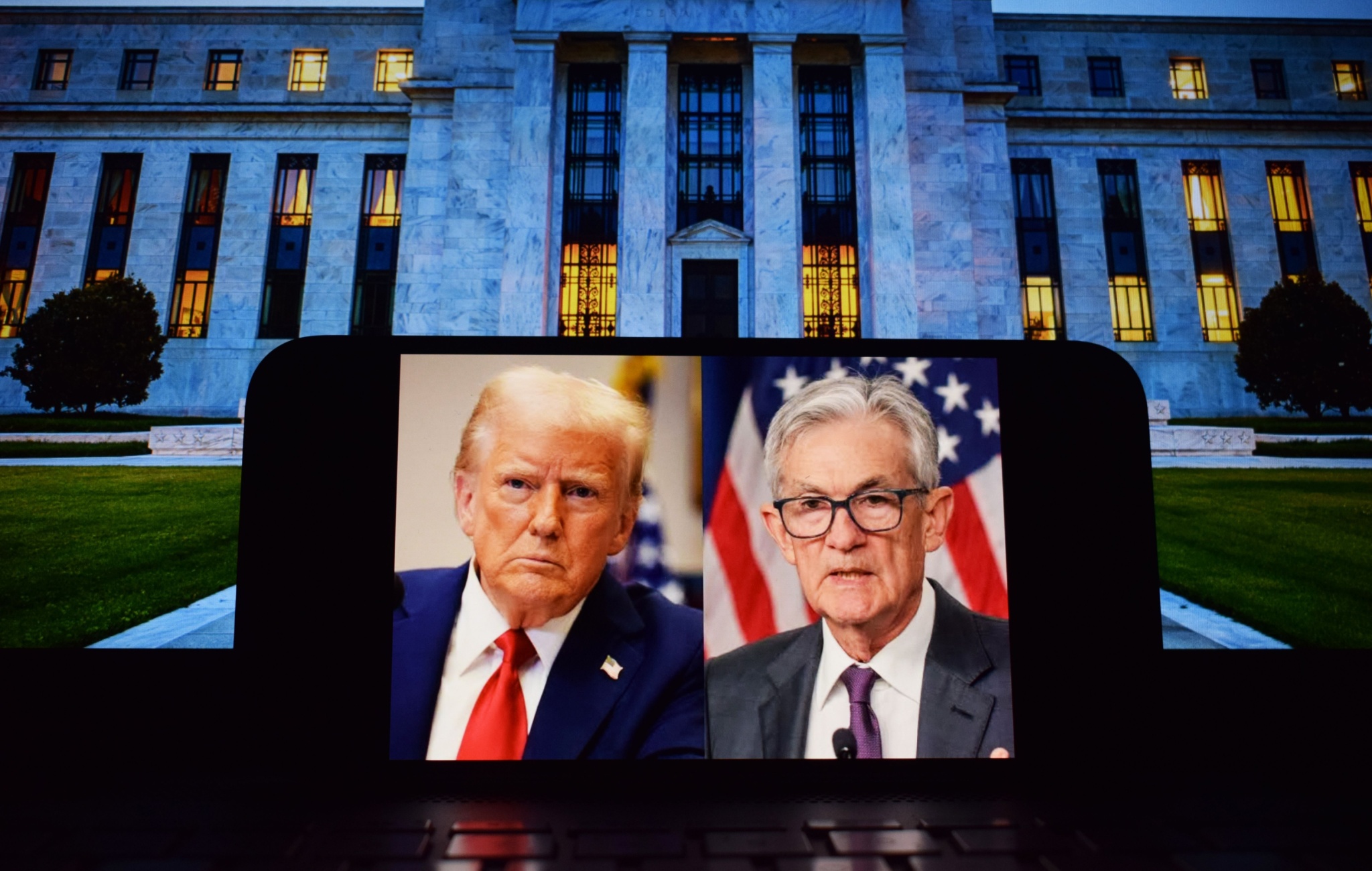
Trump v Powell: The Credibility Cost of Politicized Monetary Policy
Politicians might prefer lower interest rates, but the Fed must protect its fragile post-pandemic progress on prices. Credibility is hard earned and easily lost.
-
•
Can Russia Outlaw Childlessness?
Countries with declining populations often strategize to promote births. Unfortunately, they rarely try loosening the grip of state economic control.
-
•
Cash, Not Control: A Global History of Basic Income
The new book ‘Welfare for Markets’ contextualizes the centuries-long effort to disentangle social welfare investments from broken bureaucratic programs.
-
•
Milei’s Economic Miracle: How Argentina Slashed Inflation to 1.5%
Argentina’s economist-turned-president has defied the odds (and the experts’ opinions) to set a “society sick with socialism” back on a path to fiscal health.
-
•
Trump’s Handwritten Note to Powell: Lower Rates Abroad, So Why Not Here?
Do lower interest rates in other countries really mean the Fed is too tight?
-
•
But Lagarde, Europe Is a Museum!
A shift of foreign investments from dollars to euros would only make inflation and confiscation risks worse.
-
•
The Persistence of Benefit Cliffs: A Behavioral Look at a Policy Problem
As long as benefit cliffs are treated primarily as a math problem, we will continue to miss the mark. Benefit cliffs are not just technical design flaws — they are psychological traps.
-
•
There’s a New Sheriff at the Fed
Michelle Bowman’s remarks offer a clear vision for a more focused, flexible, and transparent regulatory regime. It’s a welcome recalibration.
-
•
Rediscovering Frédéric Bastiat in an Age of Tariffs
Bastiat’s writing combines campy, folksy stories with blinding economic logic. Even 200 years later, he has much to teach us.
-
•
Despite Tariffs, Inflation Remained Low in May
The best the Fed can do (whether or not tariff shocks appear) is keep nominal spending on a stable trajectory.
-
•
Trump v Powell: The Credibility Cost of Politicized Monetary Policy
Politicians might prefer lower interest rates, but the Fed must protect its fragile post-pandemic progress on prices. Credibility is hard earned and easily lost.