
Authoritarianism
-

•
Mao’s ‘Great Leap’: Mass Starvation on The Road to Serfdom
Mao’s revolution encouraged peasants to murder landlords. Then he abolished private property completely. The resulting economic failure became history’s deadliest man-made famine.
-

•
Twenty-Five Years After 9/11, Fear Is Testing Freedom Again
America answered the terror of 9/11 by making every citizen more visible to the state. Will our genuine fears of AI be used to erode liberty and privacy even further?
-

•
Fauci Didn’t Create Faucism. He Exposed It
The deeper threat to liberty isn’t one powerful expert, but a society willing to surrender its judgment to prevailing opinion.
-
•
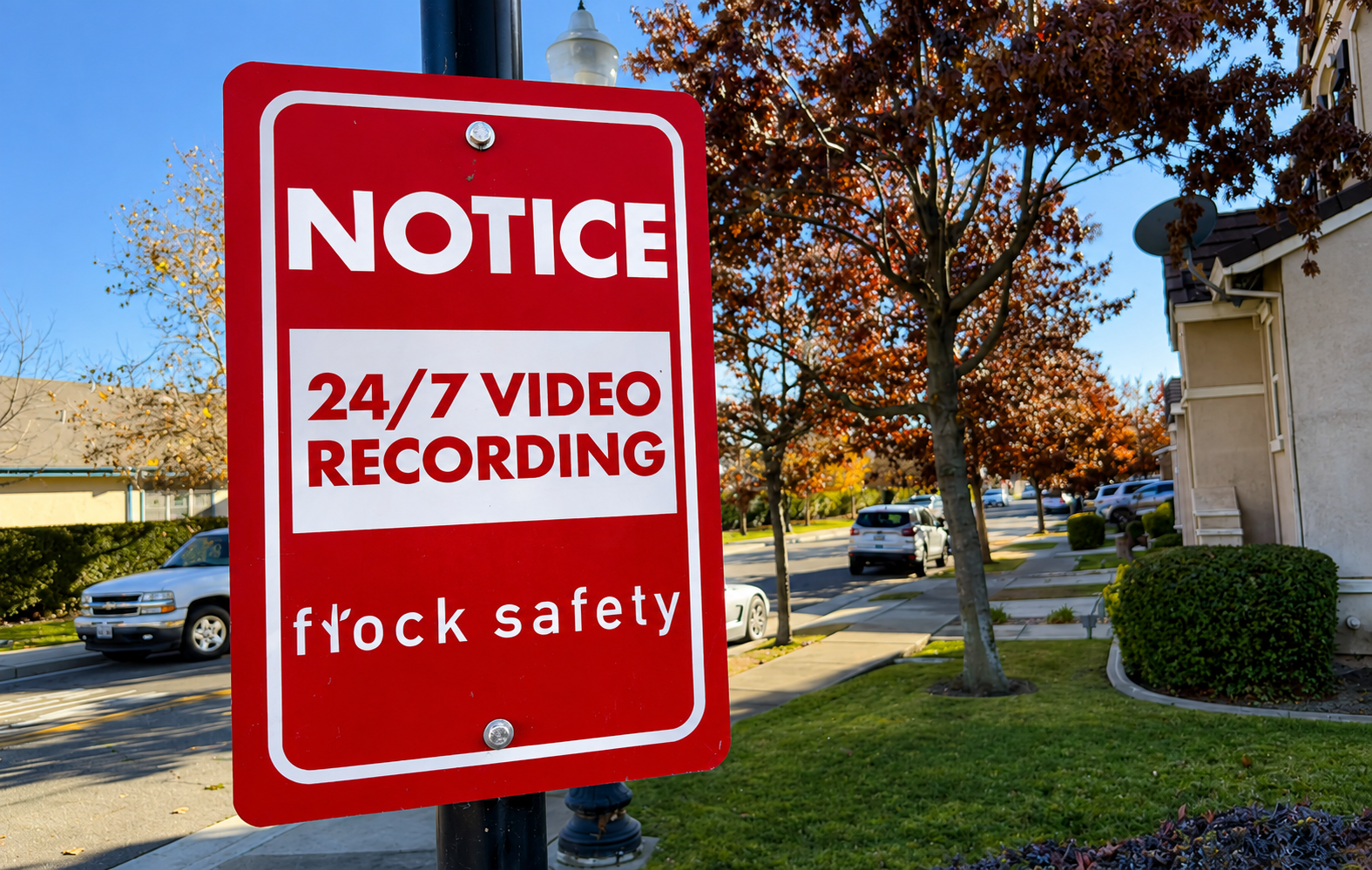
Flock Cameras vs. Freedom: Welcome to the Warrantless Panopticon
Flock cameras promise easier policing by destroying the Fourth Amendment — creating a permanent, searchable, warrantless database of everywhere Americans go.
-
•
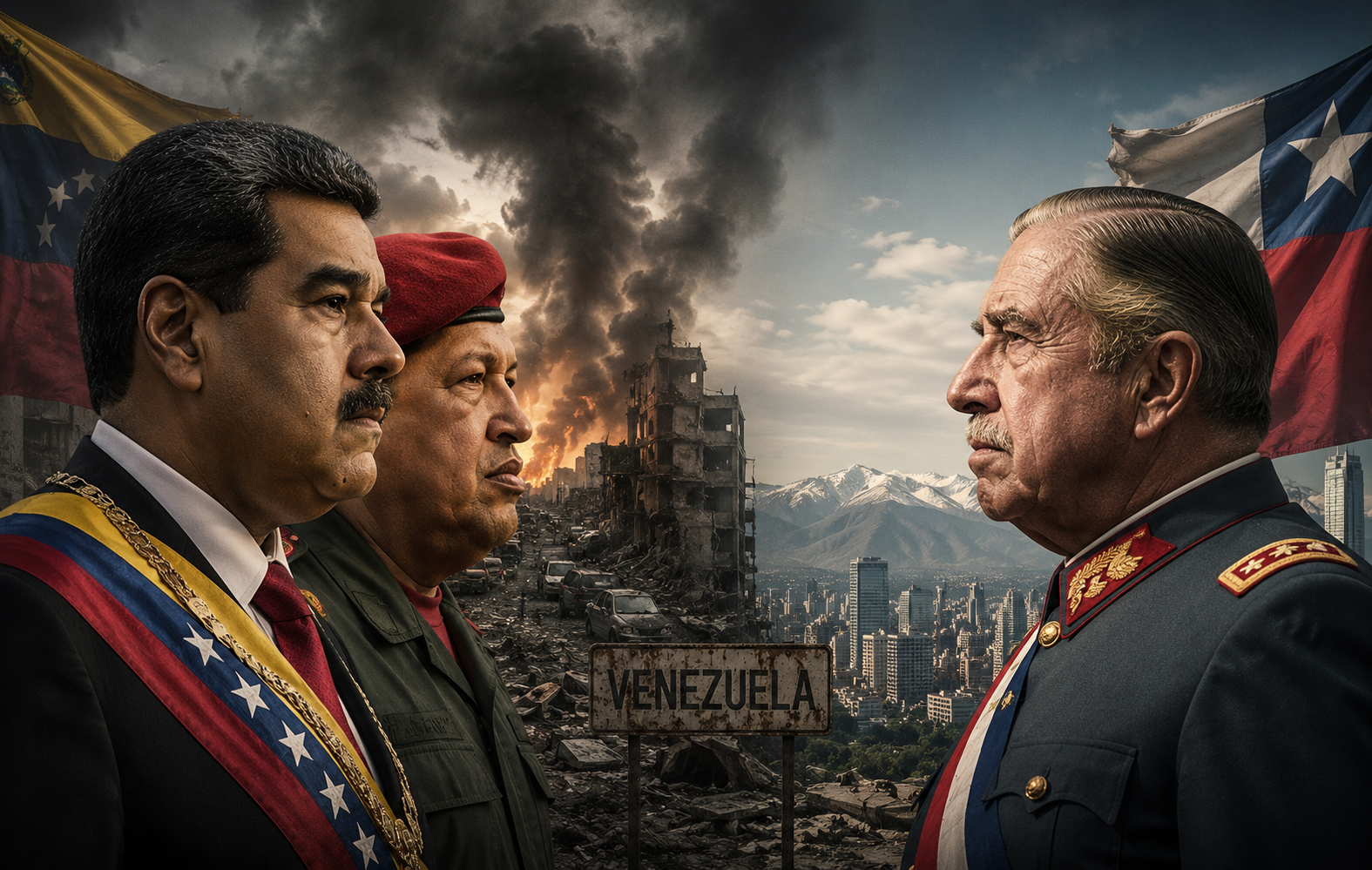
What’s Worse — Authoritarian Capitalism or Democratic Socialism?
Dictatorship is always a tragedy. But history suggests that a tyrant who allows markets does far less damage than one who abolishes them.
-
•
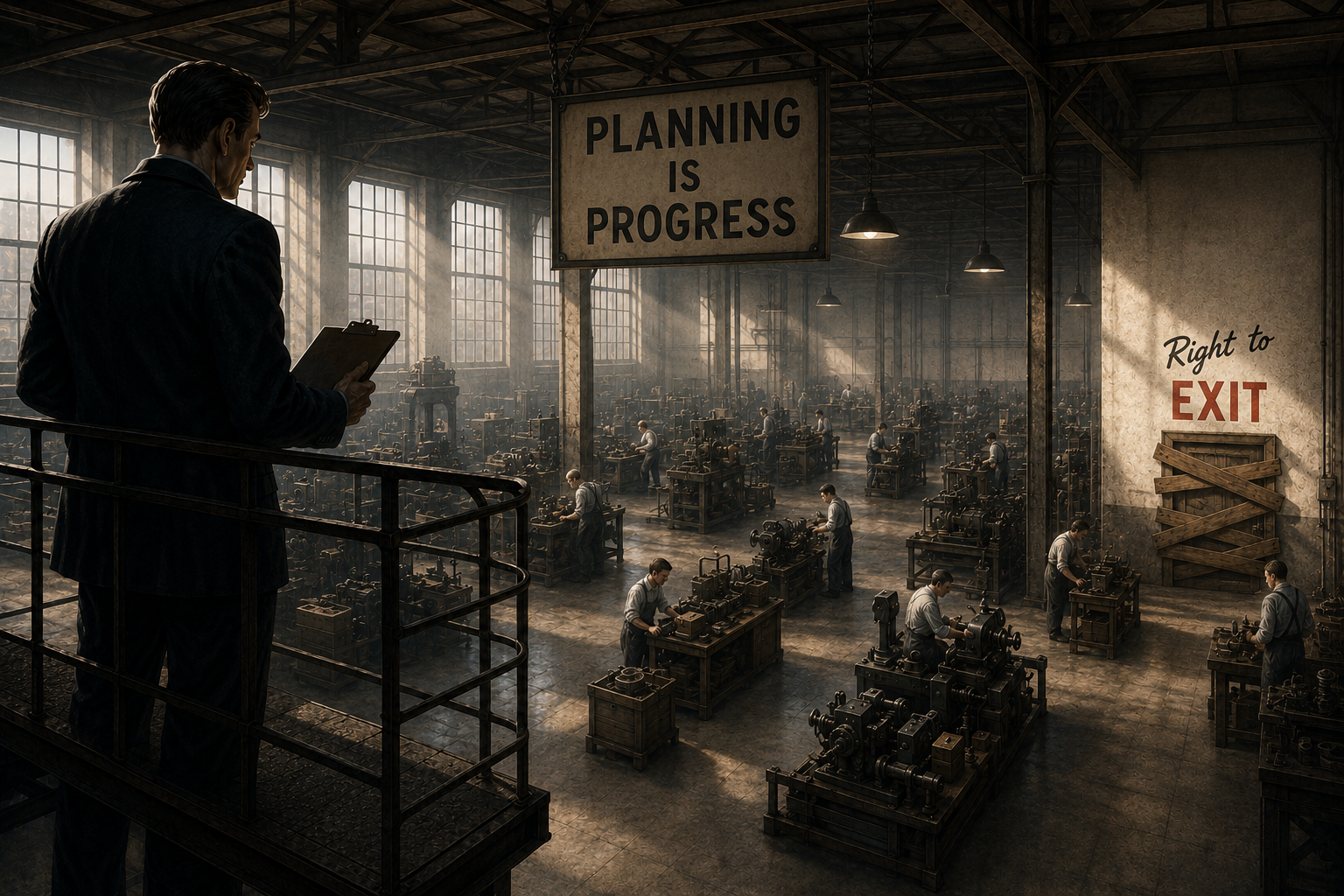
Why Fascists Admired Keynes’s Economics
Keynes saw centralized economic direction as an improvement on market coordination. This provided cover to later corporatist authoritarians who wanted to control every aspect of life.
-
•
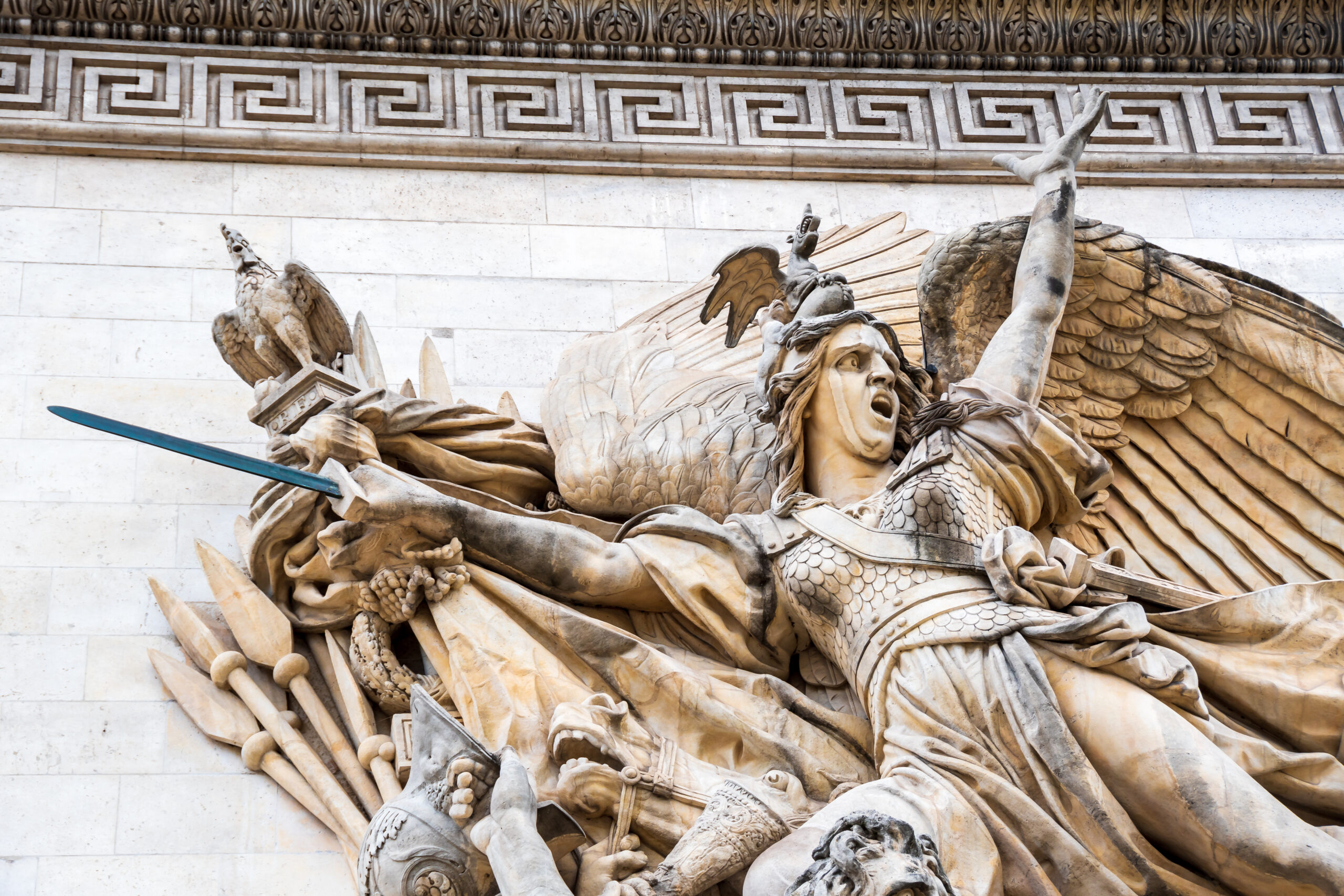
Revolutions Worlds Apart: Why America Chose Liberty and France Chose Terror
Both the American and French Revolutions promised “power to the people.” One delivered it; the other descended into bloodshed and chaos. Why?
-
•
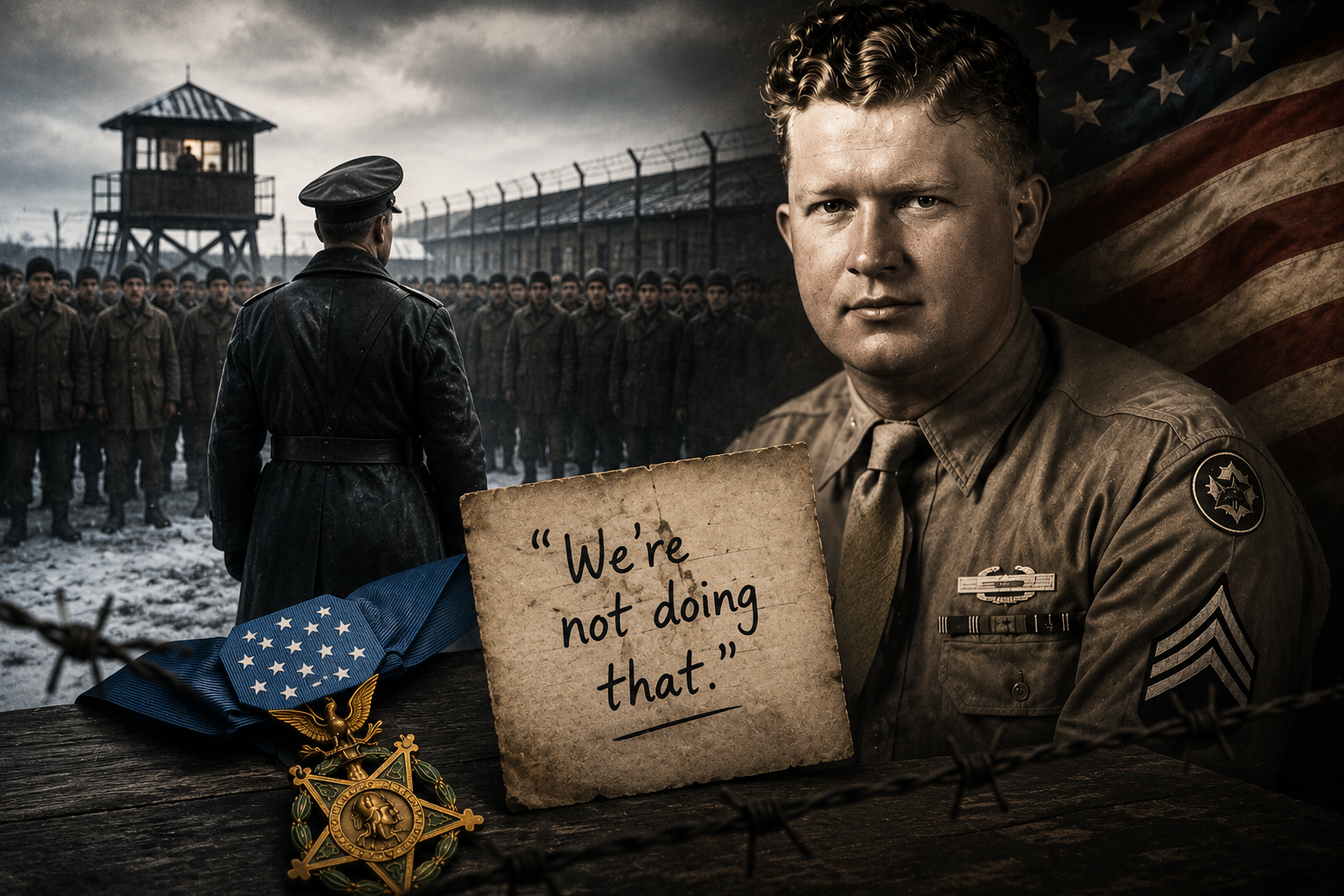
Roddie Edmonds and the Power of Saying No
Liberty depends on individuals saying no to power, especially when authority demands moral compromise, as one American officer proved behind barbed wire in World War II.
-
•
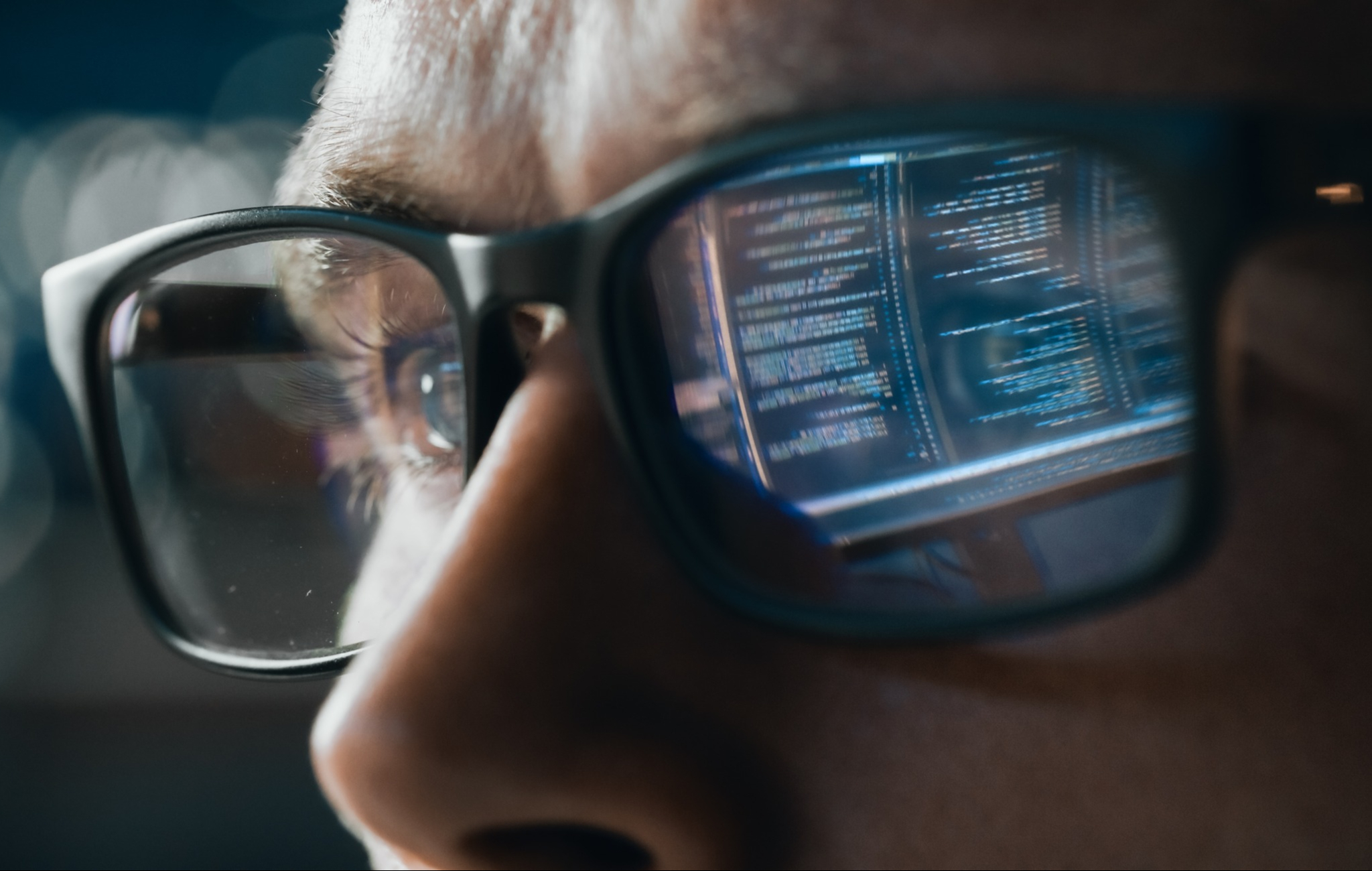
Church Report to FISA: Why Won’t Congress Stop the Surveillance State?
The Church Committee exposed sweeping abuses by America’s intelligence agencies 50 years ago. Section 702’s recent reauthorization suggests lawmakers are increasingly comfortable with expansive spying on American citizens.
-
•
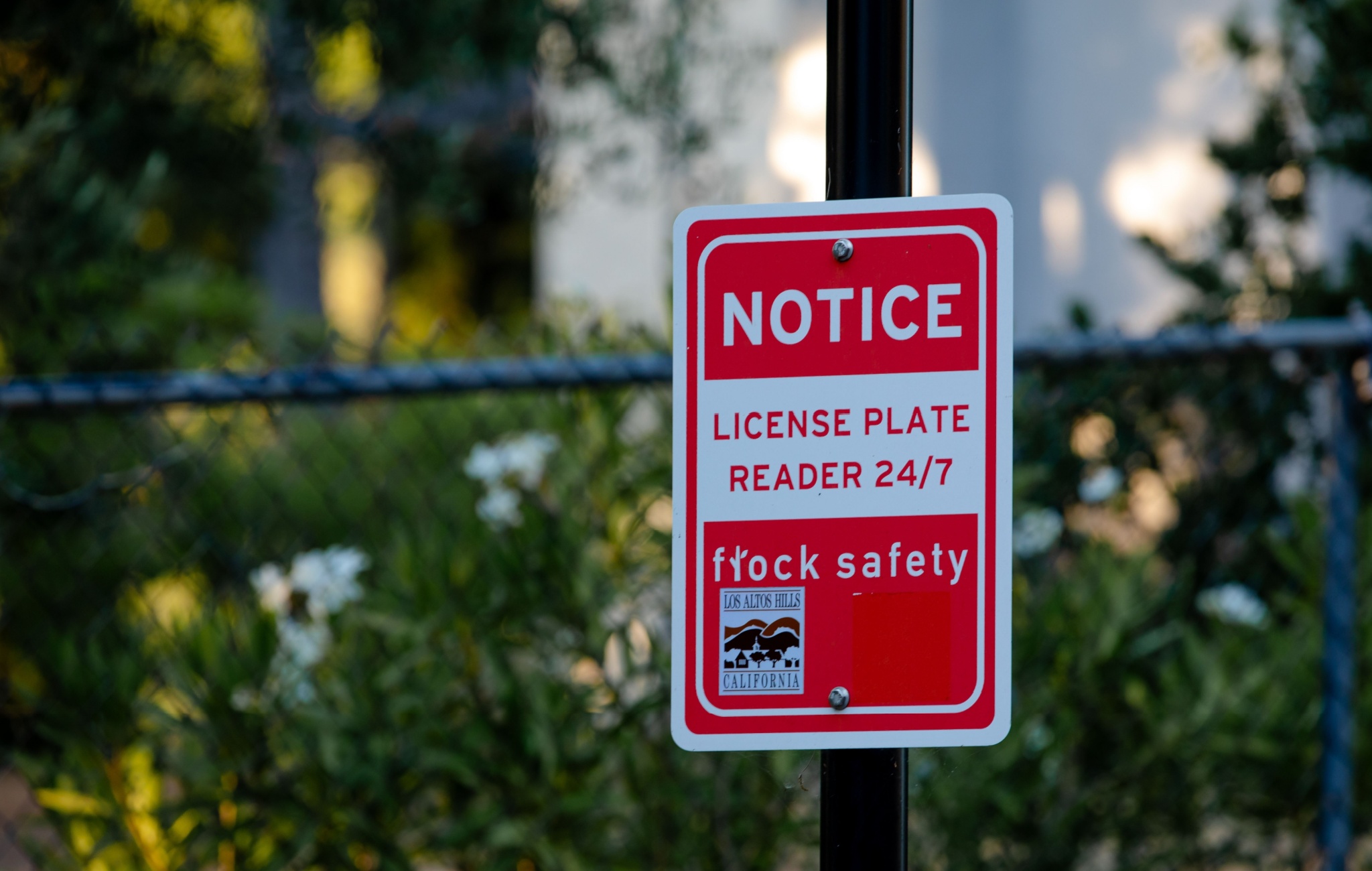
He Wrote an Op-Ed. Then Police Tracked Him
A legal case in Kansas shows how surveillance technology can distort policing priorities. When authorities can monitor anyone cheaply, the temptation to target critics increases.
-
•
Mao’s ‘Great Leap’: Mass Starvation on The Road to Serfdom
Mao’s revolution encouraged peasants to murder landlords. Then he abolished private property completely. The resulting economic failure became history’s deadliest man-made famine.
-
•
Twenty-Five Years After 9/11, Fear Is Testing Freedom Again
America answered the terror of 9/11 by making every citizen more visible to the state. Will our genuine fears of AI be used to erode liberty and privacy even further?
-
•
Fauci Didn’t Create Faucism. He Exposed It
The deeper threat to liberty isn’t one powerful expert, but a society willing to surrender its judgment to prevailing opinion.
-
•
Flock Cameras vs. Freedom: Welcome to the Warrantless Panopticon
Flock cameras promise easier policing by destroying the Fourth Amendment — creating a permanent, searchable, warrantless database of everywhere Americans go.
-
•
What’s Worse — Authoritarian Capitalism or Democratic Socialism?
Dictatorship is always a tragedy. But history suggests that a tyrant who allows markets does far less damage than one who abolishes them.
-
•
Why Fascists Admired Keynes’s Economics
Keynes saw centralized economic direction as an improvement on market coordination. This provided cover to later corporatist authoritarians who wanted to control every aspect of life.
-
•
Revolutions Worlds Apart: Why America Chose Liberty and France Chose Terror
Both the American and French Revolutions promised “power to the people.” One delivered it; the other descended into bloodshed and chaos. Why?
-
•
Roddie Edmonds and the Power of Saying No
Liberty depends on individuals saying no to power, especially when authority demands moral compromise, as one American officer proved behind barbed wire in World War II.
-
•
Church Report to FISA: Why Won’t Congress Stop the Surveillance State?
The Church Committee exposed sweeping abuses by America’s intelligence agencies 50 years ago. Section 702’s recent reauthorization suggests lawmakers are increasingly comfortable with expansive spying on American citizens.
-
•
He Wrote an Op-Ed. Then Police Tracked Him
A legal case in Kansas shows how surveillance technology can distort policing priorities. When authorities can monitor anyone cheaply, the temptation to target critics increases.