
Environmentalism
-

•
When Conservationists Join the Farm Lobby
An unlikely alliance between farmers and conservationists illustrates how government subsidies create political constituencies that lobby to preserve them.
-

•
Starbucks Is Changing Course on Corporate Activism
Plastic straws, oat milk, and ambitious climate pledges made Starbucks a darling of corporate activism. Now the costs of those commitments are coming into focus.
-
•
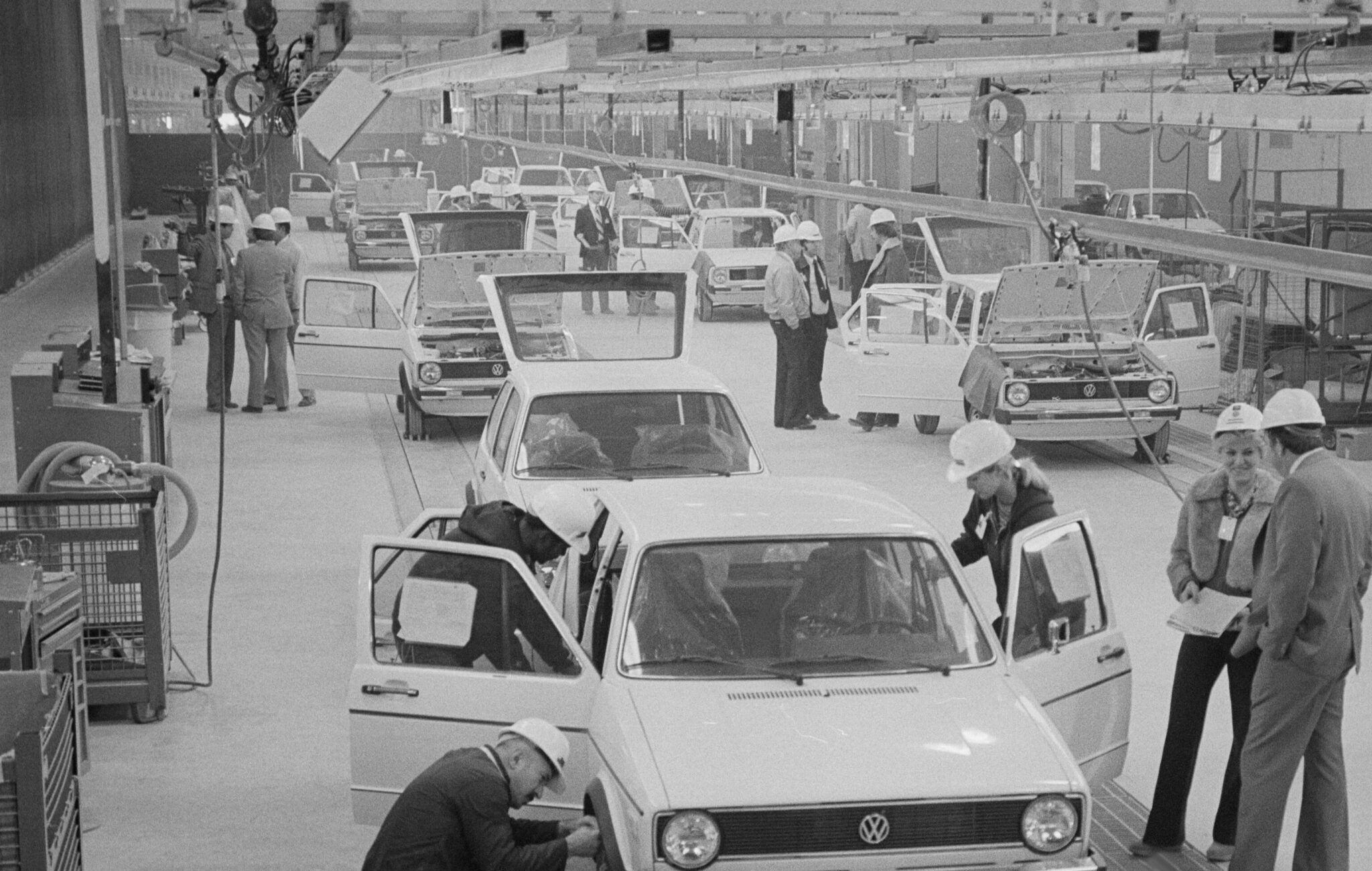
Germany’s Auto Giant Is Losing the Race
German industrial icon Volkswagen has watched global rivals outpace it. EU mandates increasingly require automakers to prioritize bureaucrats targets over consumers.
-

•
Rediscovering the Comparative Advantage of Business Schools
Before asking students how businesses should change society, business schools should ensure they understand how businesses create value in the first place.
-
•
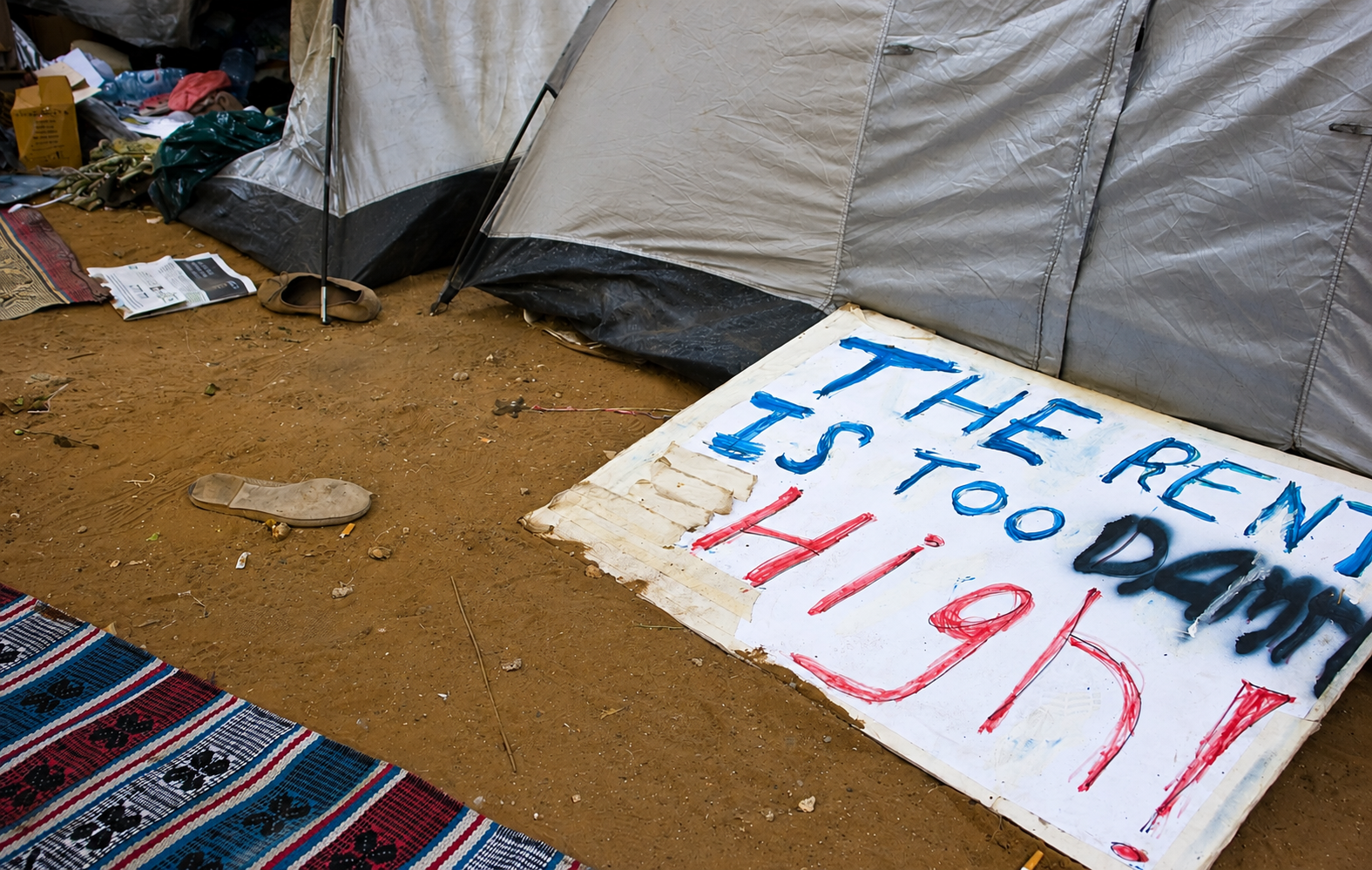
Reality Sends the Bill: How Ignoring Price Signals Ends in Disaster
Sri Lankan fertilizer bans, Argentinian rents, and European power crises all demonstrate that governments can suppress prices, but they cannot escape reality.
-

•
Green Growth: Data Show Freeing Economies Doesn’t Harm the Environment
Economic liberalization has often been assumed to have environmental tradeoffs. But decades of data show the incentives of prosperity and preservation are aligned.
-

•
Is ‘Ethical’ Coffee Morally Superior? Information Problems Haunt Conscious Consumers
Fair trade, organic, reef-safe, rainforest friendly, cruelty-free: are ethical labels useful signals, or simply morality as marketing?
-

•
Why Water Prices Are Rising
America’s water crisis is a governance problem, not a scarcity problem.
-

•
The Land of Fire and the Cost of Green Scarcity
Azerbaijan’s energy-dependent economy and California’s costly climate mandates reveal a common lesson: environmental policy works when it is local, adaptable, and intellectually humble.
-
•
Decades of Bad Energy Policy Left Oil Markets Vulnerable to Iran Shock
Current energy prices reflect the delayed costs of regulatory priorities that misallocated investment and undermined energy resilience.
-
•
When Conservationists Join the Farm Lobby
An unlikely alliance between farmers and conservationists illustrates how government subsidies create political constituencies that lobby to preserve them.
-
•
Starbucks Is Changing Course on Corporate Activism
Plastic straws, oat milk, and ambitious climate pledges made Starbucks a darling of corporate activism. Now the costs of those commitments are coming into focus.
-
•
Germany’s Auto Giant Is Losing the Race
German industrial icon Volkswagen has watched global rivals outpace it. EU mandates increasingly require automakers to prioritize bureaucrats targets over consumers.
-
•
Rediscovering the Comparative Advantage of Business Schools
Before asking students how businesses should change society, business schools should ensure they understand how businesses create value in the first place.
-
•
Reality Sends the Bill: How Ignoring Price Signals Ends in Disaster
Sri Lankan fertilizer bans, Argentinian rents, and European power crises all demonstrate that governments can suppress prices, but they cannot escape reality.
-
•
Green Growth: Data Show Freeing Economies Doesn’t Harm the Environment
Economic liberalization has often been assumed to have environmental tradeoffs. But decades of data show the incentives of prosperity and preservation are aligned.
-
•
Is ‘Ethical’ Coffee Morally Superior? Information Problems Haunt Conscious Consumers
Fair trade, organic, reef-safe, rainforest friendly, cruelty-free: are ethical labels useful signals, or simply morality as marketing?
-
•
Why Water Prices Are Rising
America’s water crisis is a governance problem, not a scarcity problem.
-
•
The Land of Fire and the Cost of Green Scarcity
Azerbaijan’s energy-dependent economy and California’s costly climate mandates reveal a common lesson: environmental policy works when it is local, adaptable, and intellectually humble.
-
•
Decades of Bad Energy Policy Left Oil Markets Vulnerable to Iran Shock
Current energy prices reflect the delayed costs of regulatory priorities that misallocated investment and undermined energy resilience.