
industrial policy
-
•
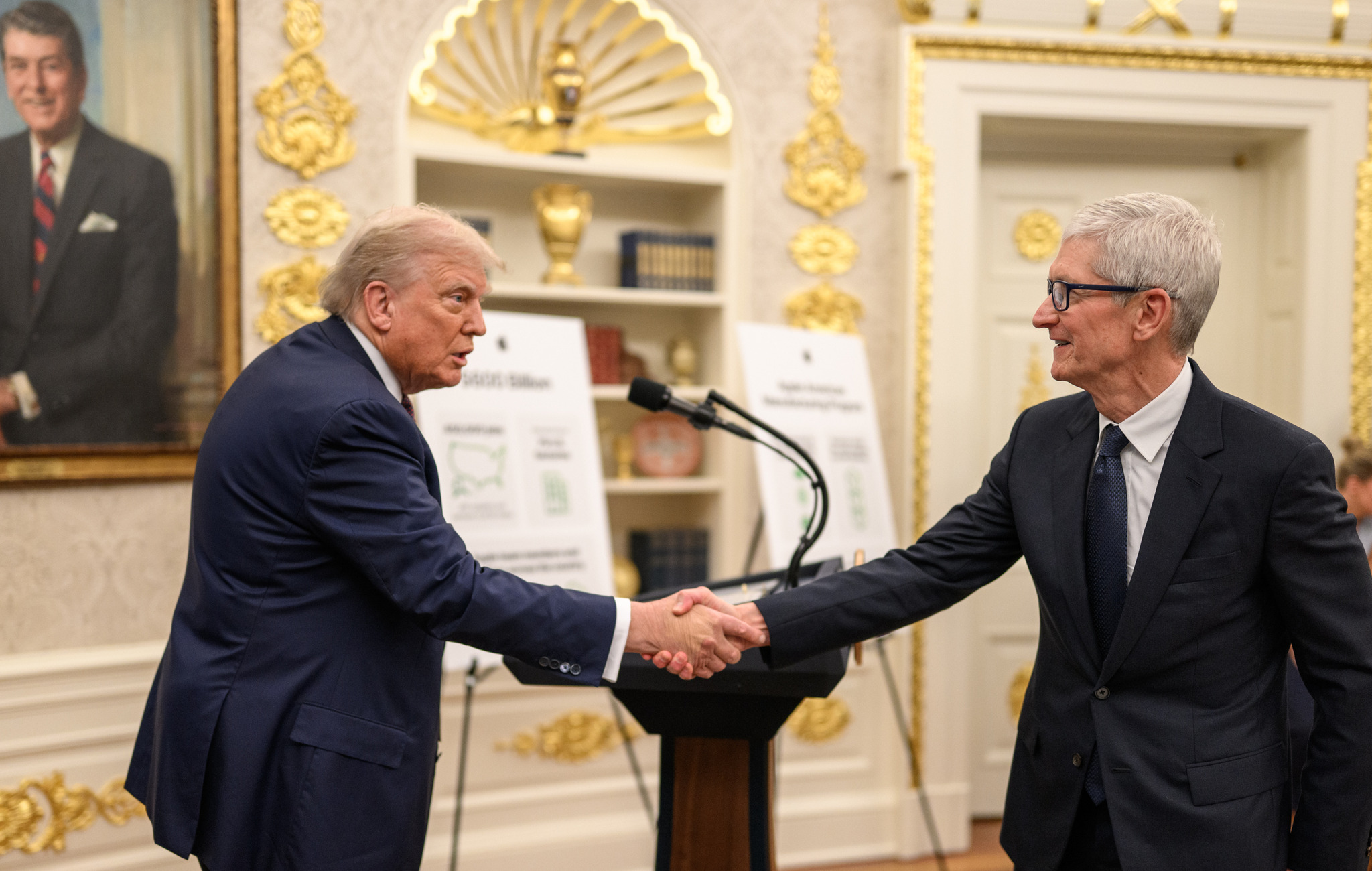
Tariff Exemptions are Big Business for Big Business
A tariff may look like a uniform tax. In practice, exemptions give politically connected firms an advantage.
-
•
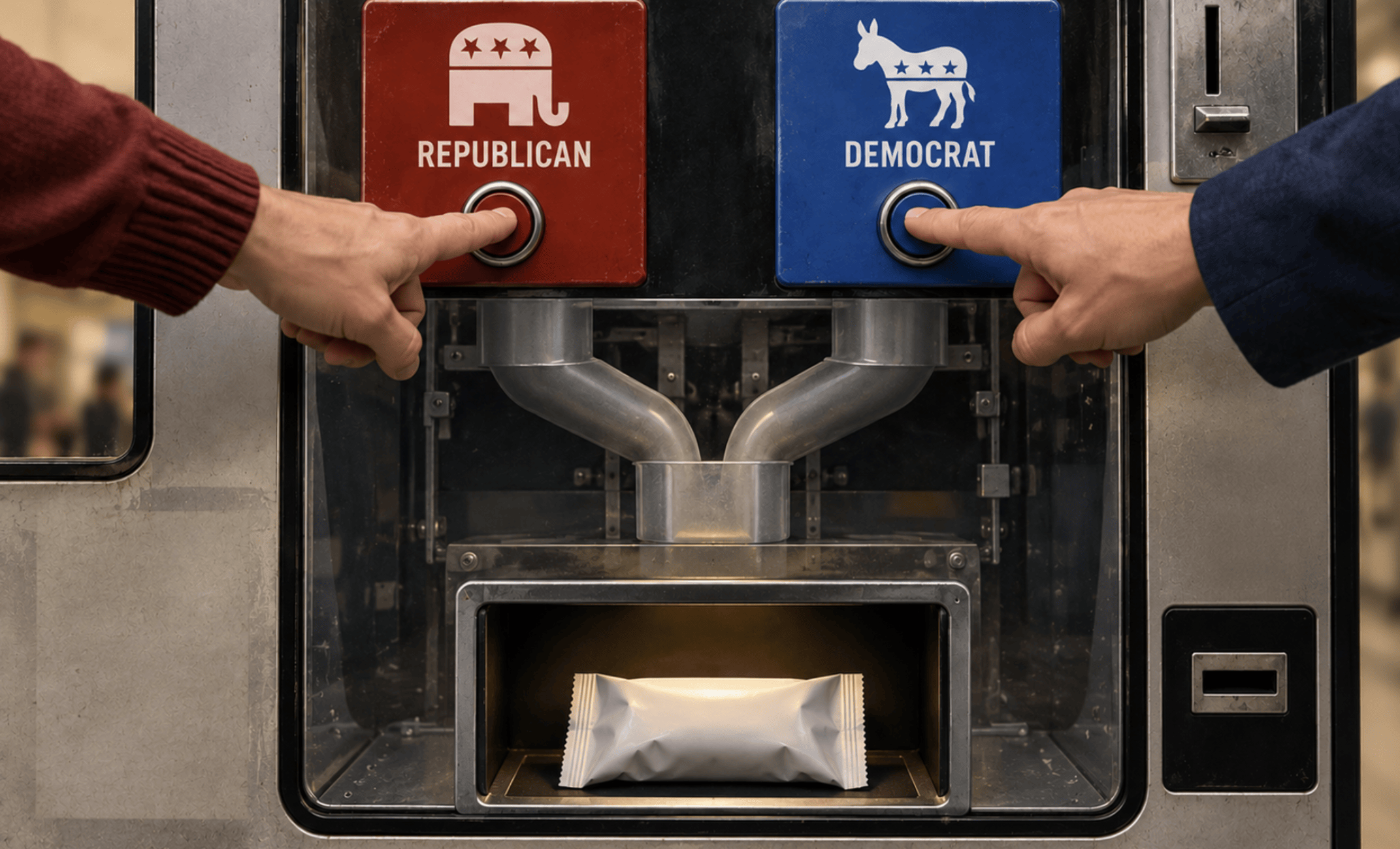
Beefsteak Socialists? Left and Right Are Competing to Control the Economy
By making political control more valuable, distorting markets can encourage rival factions to seek still more power.
-
•
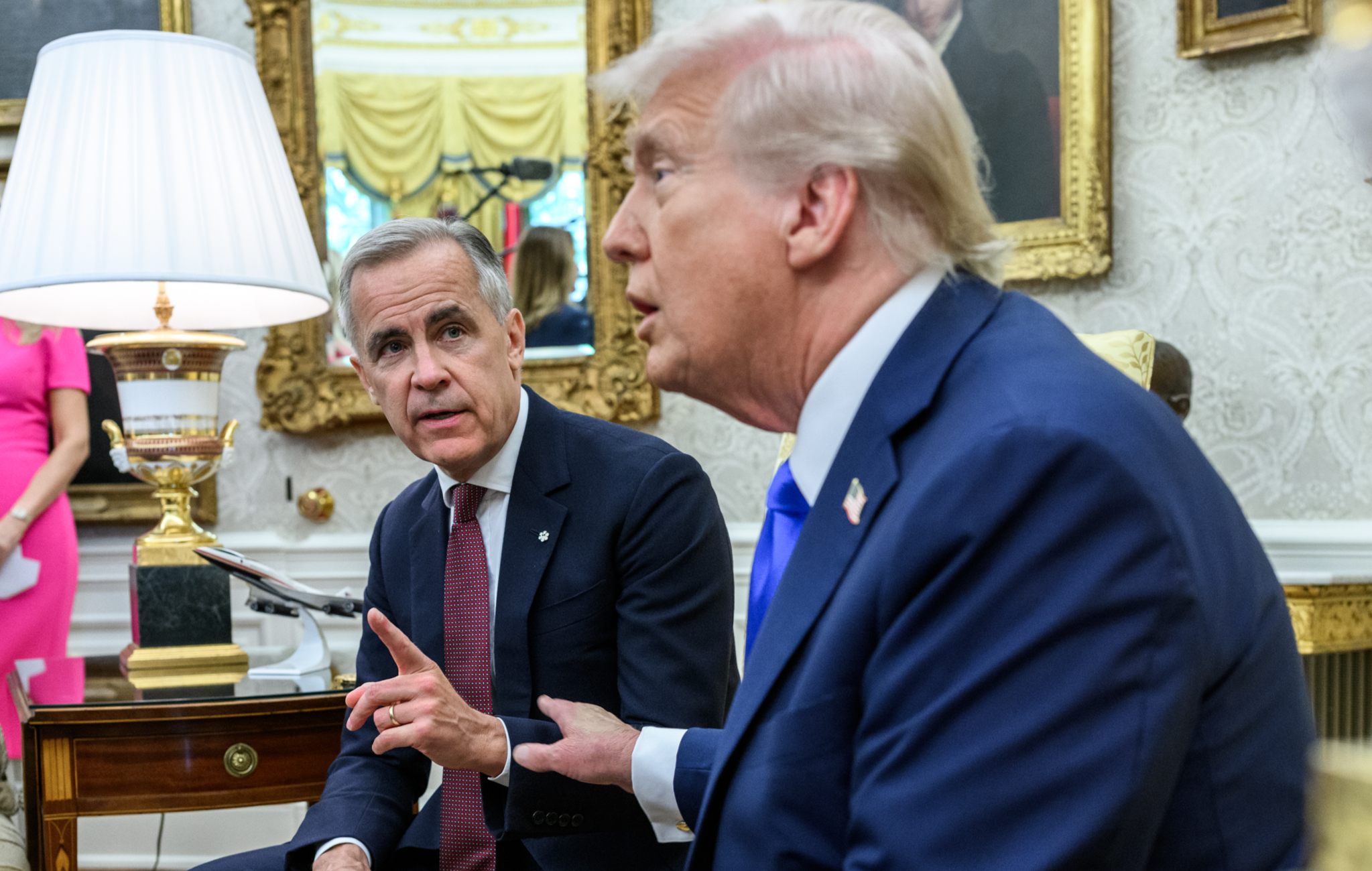
‘A Deal Written in Pencil’: Tariffs Are Erasing America’s Credibility
Canada strengthened its border, removed retaliatory tariffs, and got slapped with tariffs anyway. Global governments are learning that US commitments cannot be trusted.
-
•
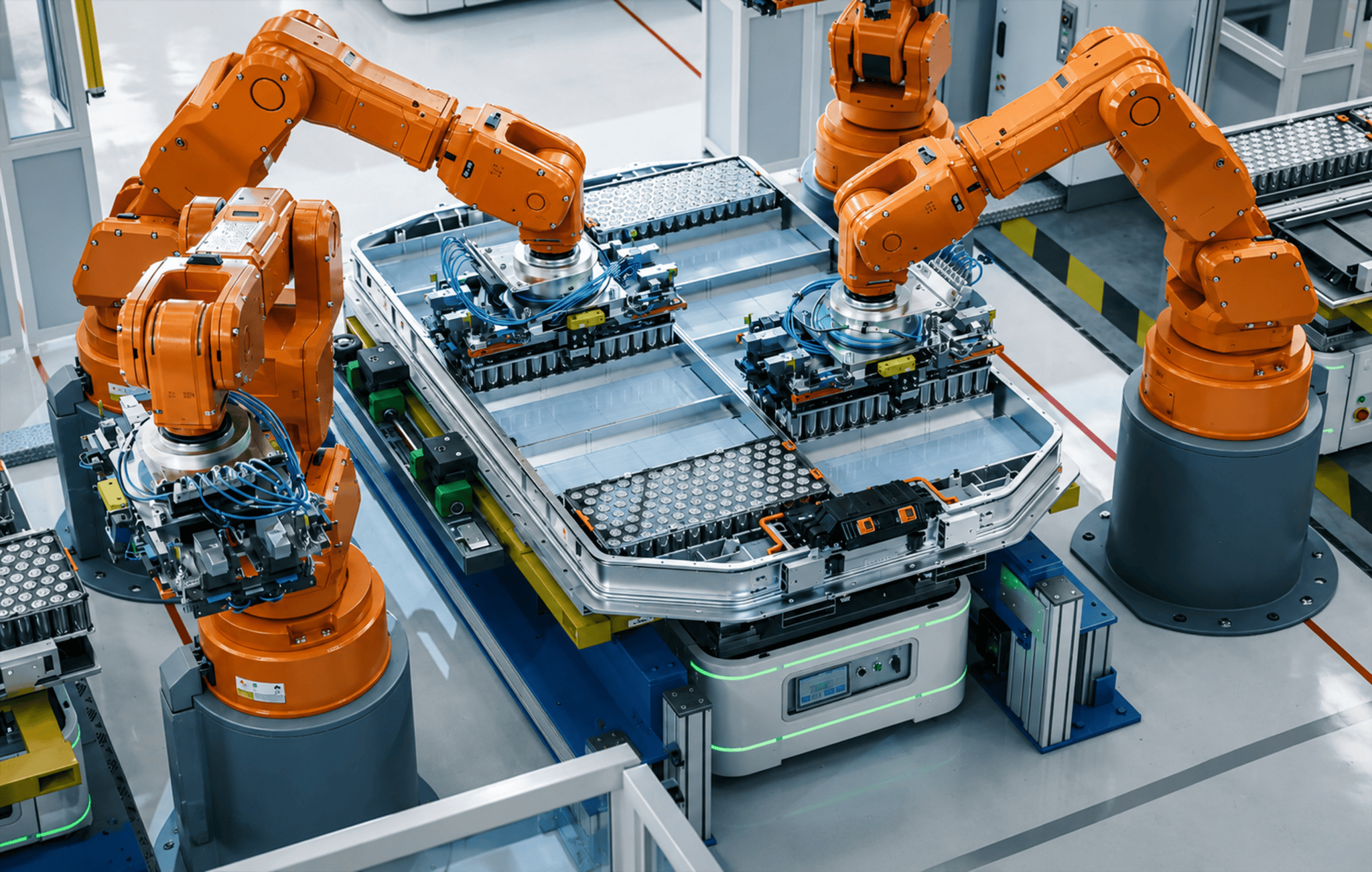
America Can’t Revive Manufacturing by Shunning Robots
America won’t outcompete China by restricting imports on robots. It will win by becoming the best place in the world to build and deploy them.
-

•
Don’t Let Washington Pick the Next Apple
BlackBerry’s collapse shows why consumers, not Washington, should decide which AI company wins the next technological revolution.
-
•
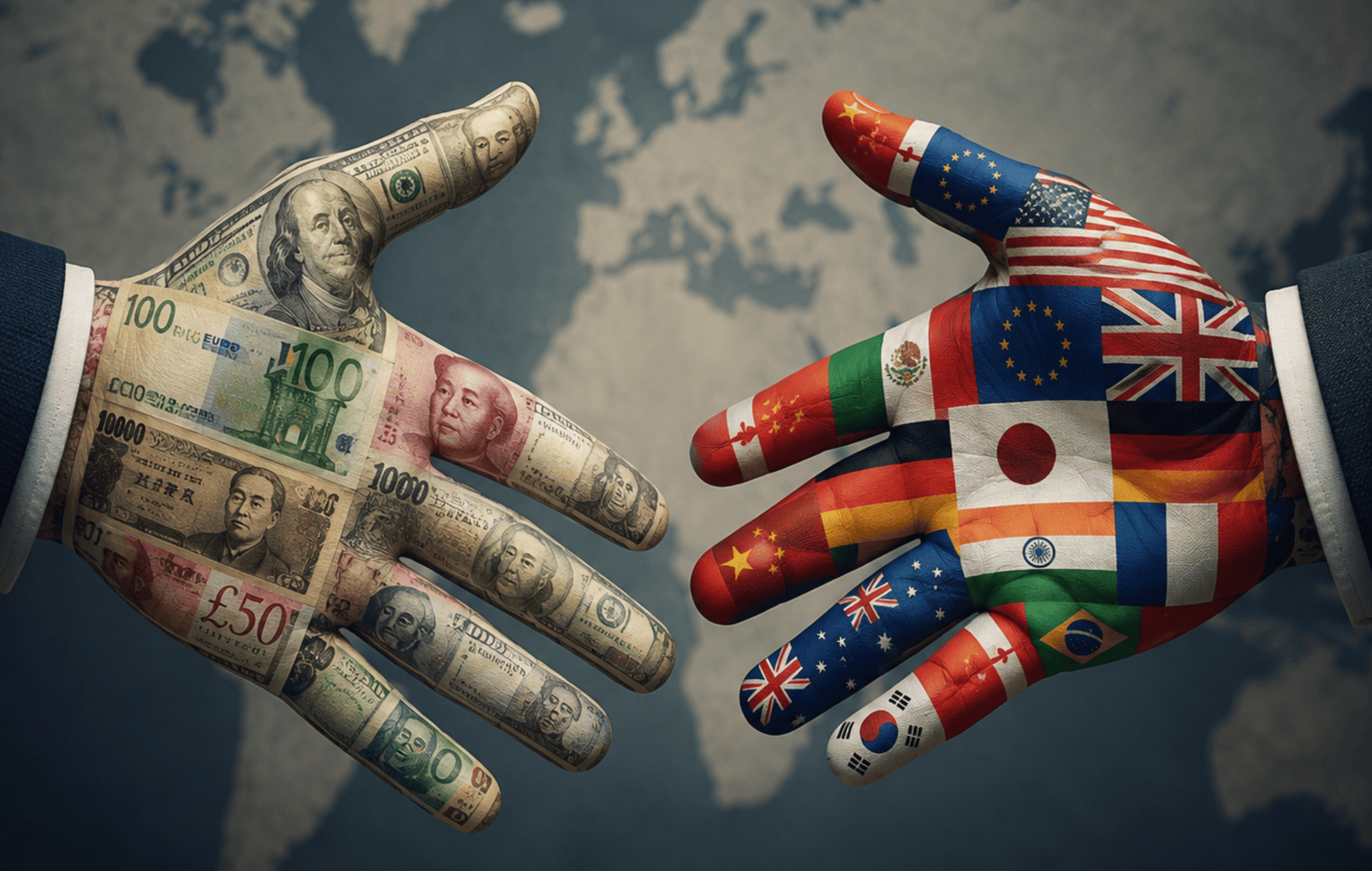
Free Trade: The Consensus Is Growing
What economists have argued for generations is now reflected in public opinion: Americans see free trade as the better alternative to protectionism.
-

•
The Permitting Problem Blocking America’s Industrial Comeback
Regulatory delays have stalled critical mining, manufacturing, and infrastructure projects, but permitting reform could unlock America’s industrial potential.
-
•
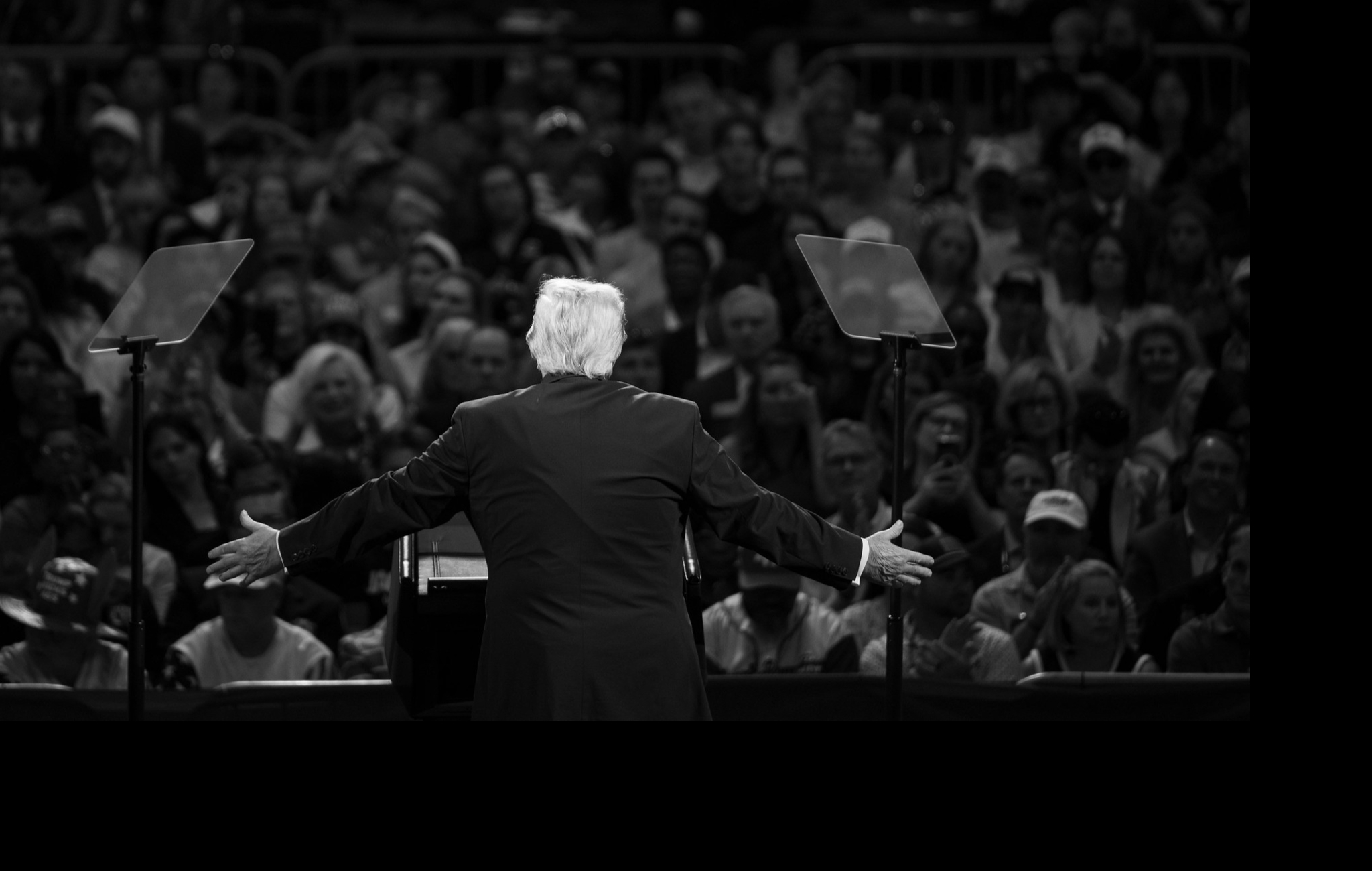
Judges Can Void a Tariff. They Can’t Rebuild Our Reputation.
The trust between America and its allies took generations to build and is being spent at a record pace.
-

•
Markets Bet on Warsh to Fight Inflation. Will the Fed Deliver?
Traders expect the Fed’s new chair to respond to accelerating inflation with higher rates. Credibility requires policy match the tough talk.
-

•
Too Connected to Fail: Washington’s New Tech Oligarchy
From Intel to Dell, federal policy has helped create a tightly interdependent system where government power and private firms reinforce one another through subsidies, contracts, and political access.
-
•
Tariff Exemptions are Big Business for Big Business
A tariff may look like a uniform tax. In practice, exemptions give politically connected firms an advantage.
-
•
Beefsteak Socialists? Left and Right Are Competing to Control the Economy
By making political control more valuable, distorting markets can encourage rival factions to seek still more power.
-
•
‘A Deal Written in Pencil’: Tariffs Are Erasing America’s Credibility
Canada strengthened its border, removed retaliatory tariffs, and got slapped with tariffs anyway. Global governments are learning that US commitments cannot be trusted.
-
•
America Can’t Revive Manufacturing by Shunning Robots
America won’t outcompete China by restricting imports on robots. It will win by becoming the best place in the world to build and deploy them.
-
•
Don’t Let Washington Pick the Next Apple
BlackBerry’s collapse shows why consumers, not Washington, should decide which AI company wins the next technological revolution.
-
•
Free Trade: The Consensus Is Growing
What economists have argued for generations is now reflected in public opinion: Americans see free trade as the better alternative to protectionism.
-
•
The Permitting Problem Blocking America’s Industrial Comeback
Regulatory delays have stalled critical mining, manufacturing, and infrastructure projects, but permitting reform could unlock America’s industrial potential.
-
•
Judges Can Void a Tariff. They Can’t Rebuild Our Reputation.
The trust between America and its allies took generations to build and is being spent at a record pace.
-
•
Markets Bet on Warsh to Fight Inflation. Will the Fed Deliver?
Traders expect the Fed’s new chair to respond to accelerating inflation with higher rates. Credibility requires policy match the tough talk.
-
•
Too Connected to Fail: Washington’s New Tech Oligarchy
From Intel to Dell, federal policy has helped create a tightly interdependent system where government power and private firms reinforce one another through subsidies, contracts, and political access.