
Policy
-

•
Why Apartments in Tokyo Are So Much Cheaper Than in NYC
Tokyo houses millions more people than New York, with a surprisingly simple affordability formula: let people build more housing.
-

•
Public Sector Unions Undermine Accountability
Research on schools, policing, and government spending is clear: public sector bargaining forces taxpayers to finance the erosion of their rights.
-
•
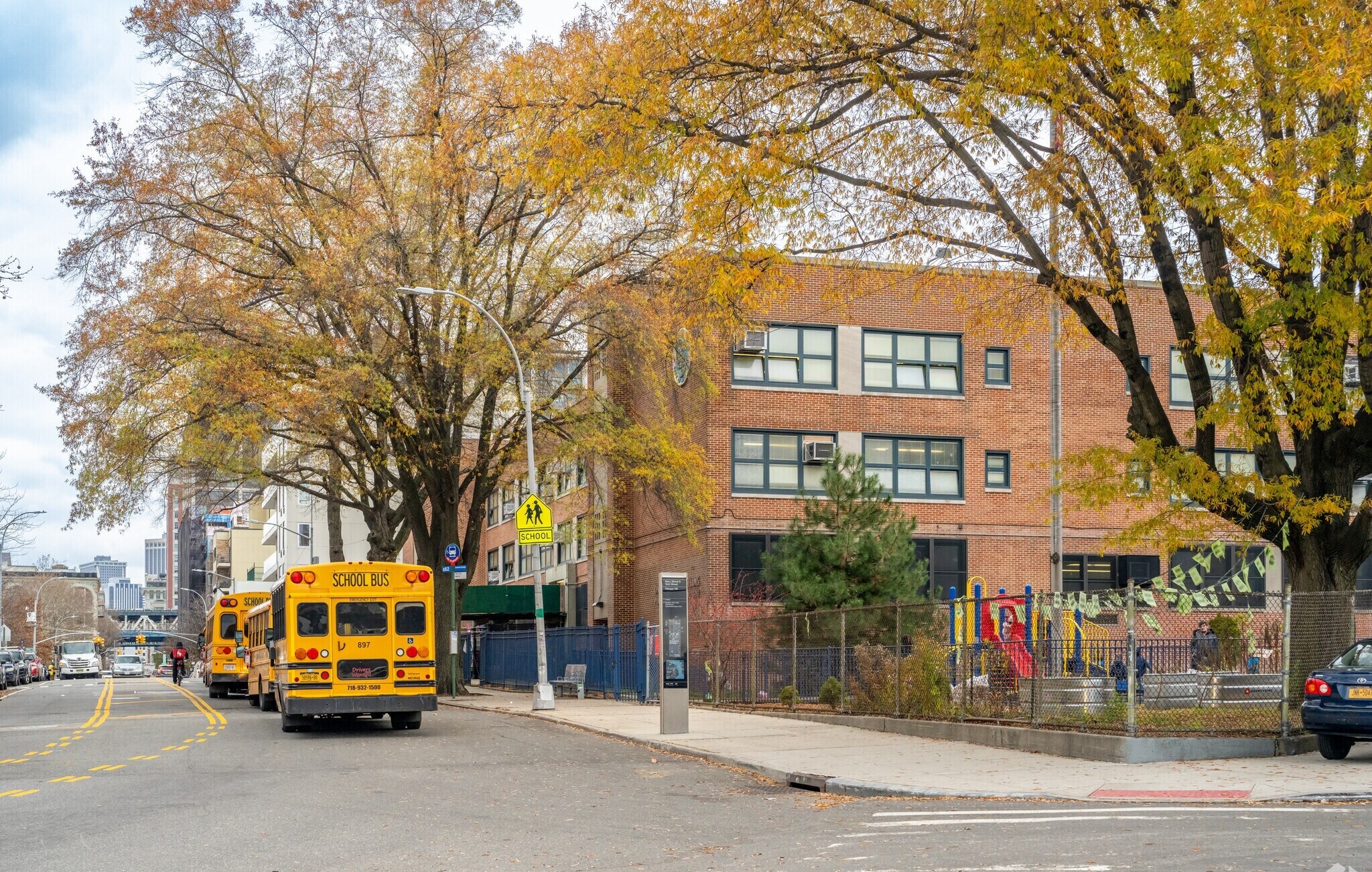
NYT’s Nikole Hannah-Jones Regrets Sending Her Daughter to Failing Public School
The Project 1619 journalist said parents should stick with struggling, segregated schools. Her daughter isn’t the only one who was cheated by that ideological choice.
-
•
The $46 Trillion Price of Avoiding Social Security Reform
Delaying Social Security reform would spare politicians difficult choices today while leaving taxpayers with a much larger bill tomorrow.
-
•
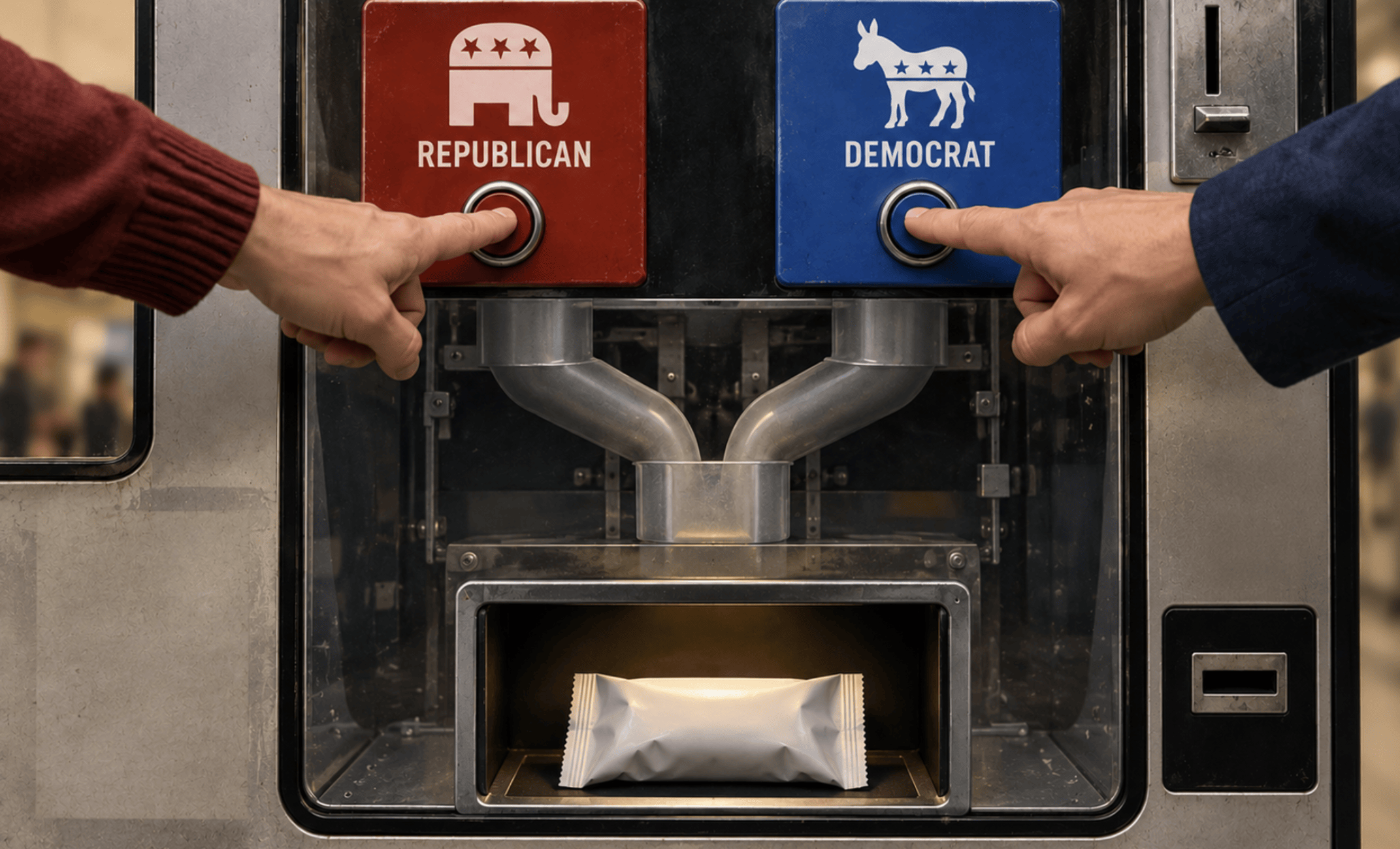
Beefsteak Socialists? Left and Right Are Competing to Control the Economy
By making political control more valuable, distorting markets can encourage rival factions to seek still more power.
-

•
Abdul El-Sayed Has a Socialist Platform and a Capitalist Life
Abdul El-Sayed and his wife prosper by treating their medical credentials as private goods. Now he campaigns against the system that made it possible.
-

•
What Makes Pharmaceutical Speaker Programs Illegal?
The missing consumer in health care helps explain the strange economics — and legal risks — of drug companies paying doctors.
-
•
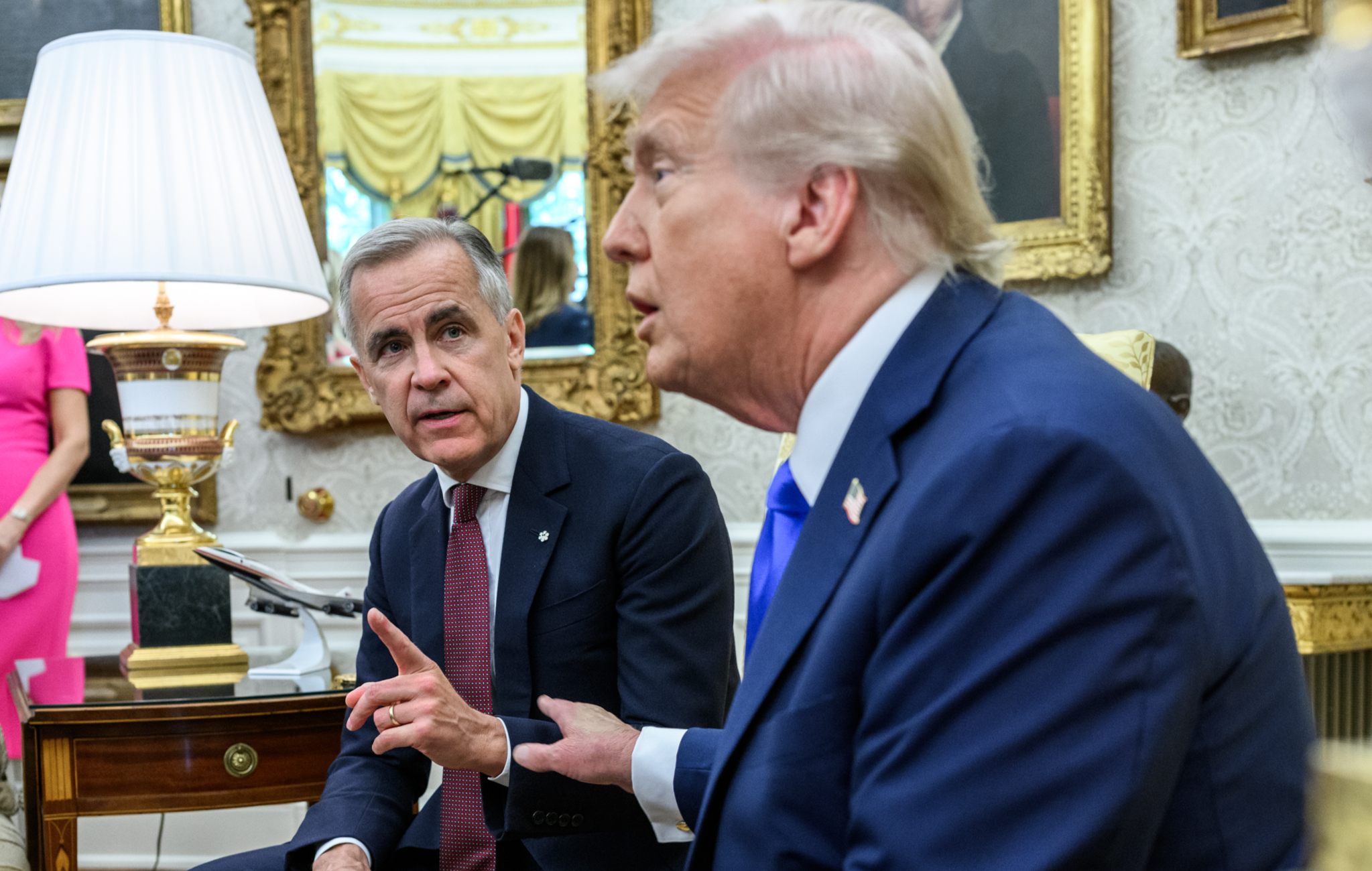
‘A Deal Written in Pencil’: Tariffs Are Erasing America’s Credibility
Canada strengthened its border, removed retaliatory tariffs, and got slapped with tariffs anyway. Global governments are learning that US commitments cannot be trusted.
-

•
Don’t Let Washington Pick the Next Apple
BlackBerry’s collapse shows why consumers, not Washington, should decide which AI company wins the next technological revolution.
-
•
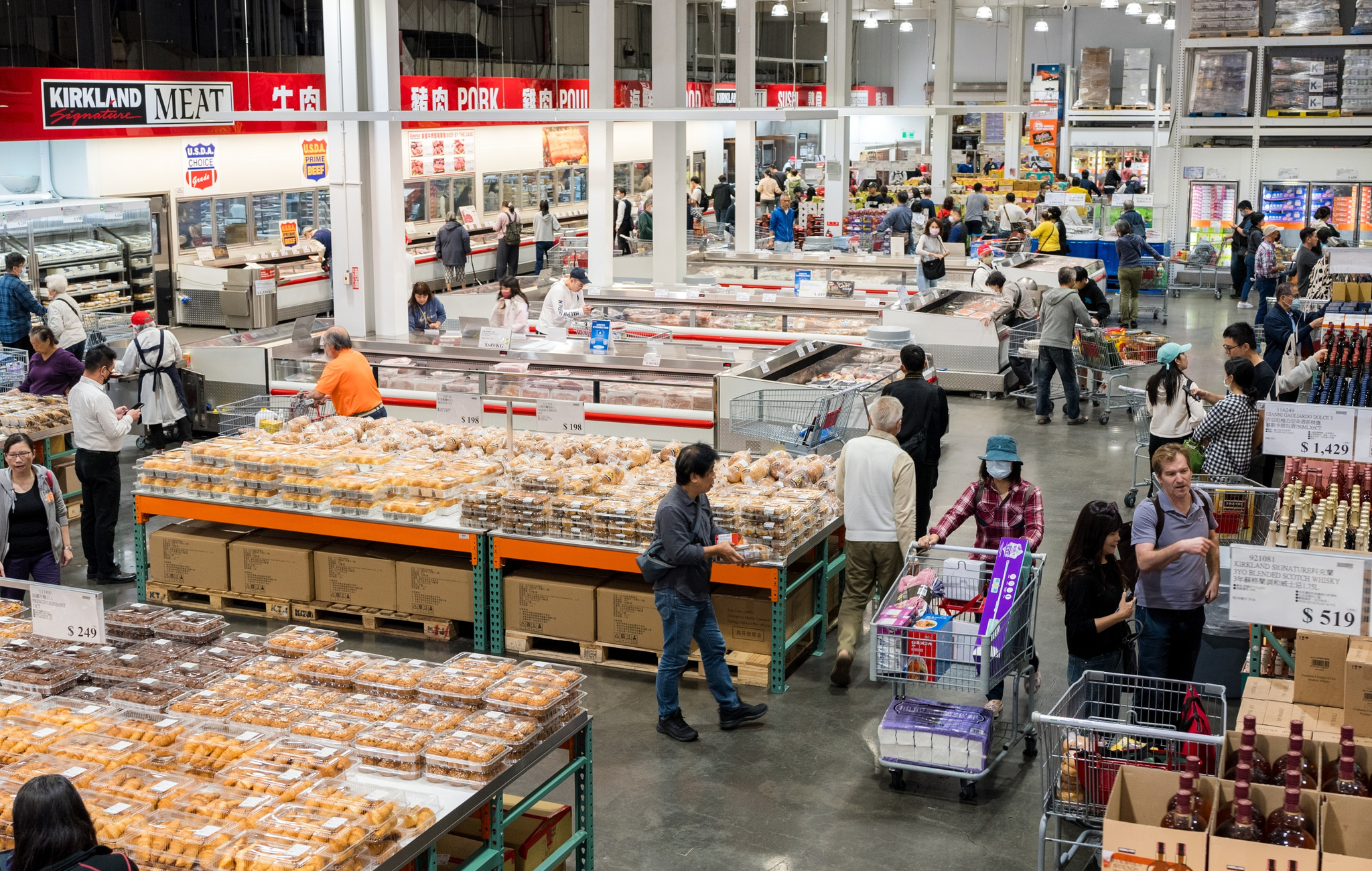
Can Antitrust Regulators Learn to Trust Consumers?
Antitrust enforcement should preserve competition and respect consumer choice, not restrict both in pursuit of vague political goals.
-
•
Why Apartments in Tokyo Are So Much Cheaper Than in NYC
Tokyo houses millions more people than New York, with a surprisingly simple affordability formula: let people build more housing.
-
•
Public Sector Unions Undermine Accountability
Research on schools, policing, and government spending is clear: public sector bargaining forces taxpayers to finance the erosion of their rights.
-
•
NYT’s Nikole Hannah-Jones Regrets Sending Her Daughter to Failing Public School
The Project 1619 journalist said parents should stick with struggling, segregated schools. Her daughter isn’t the only one who was cheated by that ideological choice.
-
•
The $46 Trillion Price of Avoiding Social Security Reform
Delaying Social Security reform would spare politicians difficult choices today while leaving taxpayers with a much larger bill tomorrow.
-
•
Beefsteak Socialists? Left and Right Are Competing to Control the Economy
By making political control more valuable, distorting markets can encourage rival factions to seek still more power.
-
•
Abdul El-Sayed Has a Socialist Platform and a Capitalist Life
Abdul El-Sayed and his wife prosper by treating their medical credentials as private goods. Now he campaigns against the system that made it possible.
-
•
What Makes Pharmaceutical Speaker Programs Illegal?
The missing consumer in health care helps explain the strange economics — and legal risks — of drug companies paying doctors.
-
•
‘A Deal Written in Pencil’: Tariffs Are Erasing America’s Credibility
Canada strengthened its border, removed retaliatory tariffs, and got slapped with tariffs anyway. Global governments are learning that US commitments cannot be trusted.
-
•
Don’t Let Washington Pick the Next Apple
BlackBerry’s collapse shows why consumers, not Washington, should decide which AI company wins the next technological revolution.
-
•
Can Antitrust Regulators Learn to Trust Consumers?
Antitrust enforcement should preserve competition and respect consumer choice, not restrict both in pursuit of vague political goals.