
Unintended Consequences
-

•
Can Zohran Mamdani Force Doctors to Treat Patients?
Healthcare can be declared a right, but it cannot be delivered without willing providers. Closing the gap will require uncomfortable trade-offs.
-
•
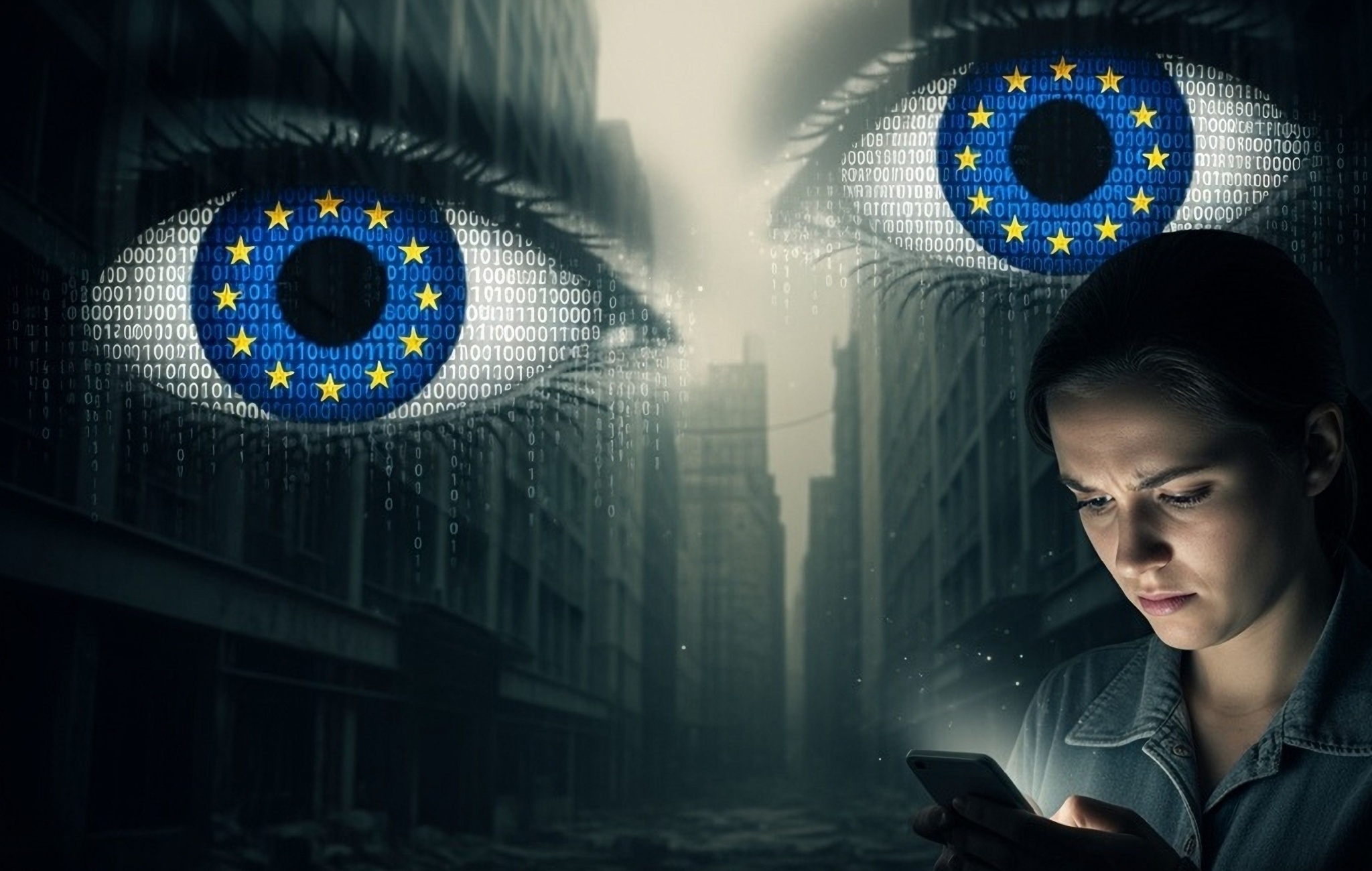
Privacy for the Powerful, Surveillance for the Rest: EU’s Proposed Tech Regulation Goes Too Far
Protecting kids is a weak pretext for total digital surveillance. What’s worse, the EU’s monitoring exempted its own politicians from scrutiny. Their privacy matters, but not yours.
-

•
We Learned Leadership Flipping Burgers: Don’t Close America’s On-Ramp
Inflating entry-level pay risks shutting young workers out of the most reliable path to skill development and long-term earnings.
-

•
Bigger Government Means Bigger Fraud: Minnesota’s Billion-Dollar Lesson in Incentives
Minnesota’s largest-ever food-aid scandal reveals how weak incentives, political pressure, and lax oversight enable public-sector fraud to flourish — costing taxpayers billions.
-

•
What the Economics of Envy Can’t Answer
Forced redistribution dominates public discourse about wealth inequality, yet much of the debate overlooks how people earn, trade, innovate, and create value.
-

•
Four Post-COVID Trends Are Reshaping American Education
The pandemic didn’t just disrupt schooling — it altered the incentives, expectations, and norms that held the system together. Alternatives are here to stay.
-

•
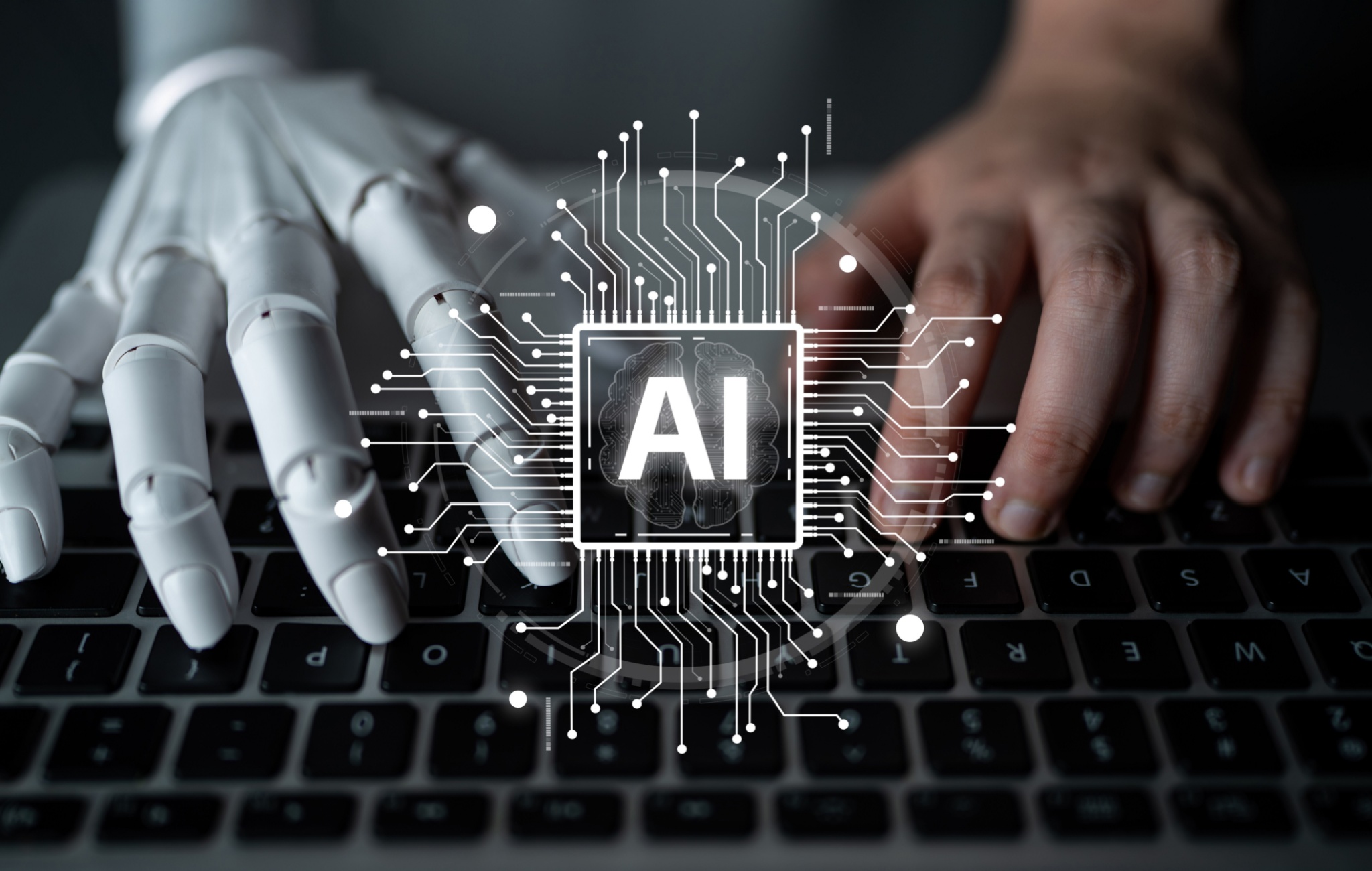
Are the Benefits of AI Worth the Risk of ‘White-Collar Bloodbath’?
If AI is powerful enough to produce abundance and reduce scarcity, will worrying about unemployment make sense at all?
-
•
The Second Information Revolution: How AI Makes Liberal Societies Both Stronger and Weaker
Large language models have sparked historic shifts in the economics of knowledge, upsetting the balance between accessibility, privacy, and power.
-

•
How China Remade Global Trade — and Then Broke It
Trade has made us wealthy and resilient, but also vulnerable to coercion. As China’s economic power peaks, its political model may be reaching its limits.
-

•
The Kids Can’t Focus
Screens may seem to be the simple answer, but nothing about society is set up to support deep work or sustained attention.
-
•
Can Zohran Mamdani Force Doctors to Treat Patients?
Healthcare can be declared a right, but it cannot be delivered without willing providers. Closing the gap will require uncomfortable trade-offs.
-
•
Privacy for the Powerful, Surveillance for the Rest: EU’s Proposed Tech Regulation Goes Too Far
Protecting kids is a weak pretext for total digital surveillance. What’s worse, the EU’s monitoring exempted its own politicians from scrutiny. Their privacy matters, but not yours.
-
•
We Learned Leadership Flipping Burgers: Don’t Close America’s On-Ramp
Inflating entry-level pay risks shutting young workers out of the most reliable path to skill development and long-term earnings.
-
•
Bigger Government Means Bigger Fraud: Minnesota’s Billion-Dollar Lesson in Incentives
Minnesota’s largest-ever food-aid scandal reveals how weak incentives, political pressure, and lax oversight enable public-sector fraud to flourish — costing taxpayers billions.
-
•
What the Economics of Envy Can’t Answer
Forced redistribution dominates public discourse about wealth inequality, yet much of the debate overlooks how people earn, trade, innovate, and create value.
-
•
Four Post-COVID Trends Are Reshaping American Education
The pandemic didn’t just disrupt schooling — it altered the incentives, expectations, and norms that held the system together. Alternatives are here to stay.
-
•
Are the Benefits of AI Worth the Risk of ‘White-Collar Bloodbath’?
If AI is powerful enough to produce abundance and reduce scarcity, will worrying about unemployment make sense at all?
-
•
The Second Information Revolution: How AI Makes Liberal Societies Both Stronger and Weaker
Large language models have sparked historic shifts in the economics of knowledge, upsetting the balance between accessibility, privacy, and power.
-
•
How China Remade Global Trade — and Then Broke It
Trade has made us wealthy and resilient, but also vulnerable to coercion. As China’s economic power peaks, its political model may be reaching its limits.
-
•
The Kids Can’t Focus
Screens may seem to be the simple answer, but nothing about society is set up to support deep work or sustained attention.