
Sound Money Project
-
•
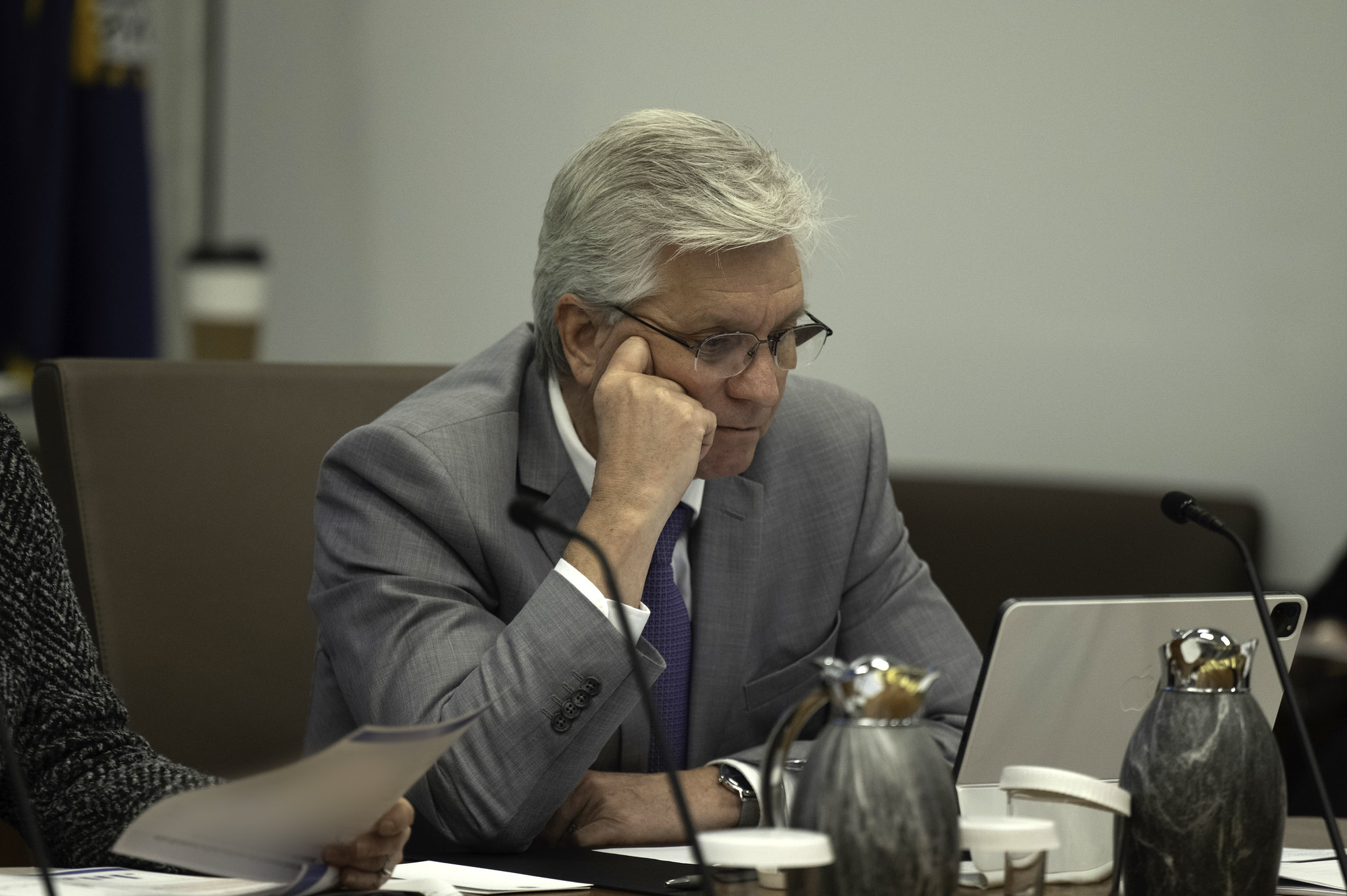
Is Inflation on the Rise Again?
“The Fed should be looking ahead and adjusting monetary policy in light of its forecasts. Instead, its eyes are fixed on the rear-view mirror.” ~William J. Luther
-

•
Congress Overspends, but the Fed Inflates
“At most, large deficits impelled the Fed to support the market for government debt by purchasing more debt than it should have. The central bank, not the fiscal authorities, is the residual determiner of aggregate demand.” ~Alexander W. Salter
-

•
Two Kinds of Transitory Inflation
“Team Transitory’s narrative just doesn’t cohere. Whether we’re trying to explain the Great Inflation of the 1970s and early 1980s, or the inflation of the past two years, we need to rely on demand-side mechanisms.” ~Alexander W. Salter
-

•
An Inflation Resurgence, or Just Relative Price Changes?
“Microeconomic relative-price dynamics increasingly drive inflation measurements. That means the Fed should not be afraid to ease off the brakes.” ~Alexander W. Salter
-

•
Dollarization in Argentina: A Missed Opportunity
“The delayed implementation of dollarization in Argentina presents challenges that could have been avoided had Milei honored his promise to abandon the peso straightaway.” ~Nicolás Cachanosky
-
•
Time to Tame the “Apolitical” Fed?
“The Fed’s self-conception as an apolitical technocracy blinds it to the degree to which it has weighed in on fundamental political issues, which instead ought to be deliberated in Congress.” ~Alexander W. Salter
-
•
The Fed Says Its Record Losses Don’t Matter
“While not a groundbreaking revelation for any central bank, the lack of concern about the economic and institutional implications of monetizing financial obligations is cause for concern.” ~Nicolas Cachanosky
-

•
Time for the Fed to Ease Up
“Even if Fed economists have underestimated the natural rate of interest by half, monetary policy looks slightly tight. It looks very tight if the natural-rate figures are anywhere close to correct.” ~Alexander W. Salter
-
•
Inflation On Target in December
“Monetary policy remains very tight. Interest rates are much higher than they were just prior to the pandemic. And the Fed is no longer accommodating expansionary fiscal policy.” ~William J. Luther
-

•
Happy New Year! Have Some Inflation
“After a rough couple of rounds, inflation has come out swinging. It doesn’t have the legs for a knockout punch, but it remains a troublesome opponent.” ~Alexander W. Salter
-
•
Is Inflation on the Rise Again?
“The Fed should be looking ahead and adjusting monetary policy in light of its forecasts. Instead, its eyes are fixed on the rear-view mirror.” ~William J. Luther
-
•
Congress Overspends, but the Fed Inflates
“At most, large deficits impelled the Fed to support the market for government debt by purchasing more debt than it should have. The central bank, not the fiscal authorities, is the residual determiner of aggregate demand.” ~Alexander W. Salter
-
•
Two Kinds of Transitory Inflation
“Team Transitory’s narrative just doesn’t cohere. Whether we’re trying to explain the Great Inflation of the 1970s and early 1980s, or the inflation of the past two years, we need to rely on demand-side mechanisms.” ~Alexander W. Salter
-
•
An Inflation Resurgence, or Just Relative Price Changes?
“Microeconomic relative-price dynamics increasingly drive inflation measurements. That means the Fed should not be afraid to ease off the brakes.” ~Alexander W. Salter
-
•
Dollarization in Argentina: A Missed Opportunity
“The delayed implementation of dollarization in Argentina presents challenges that could have been avoided had Milei honored his promise to abandon the peso straightaway.” ~Nicolás Cachanosky
-
•
Time to Tame the “Apolitical” Fed?
“The Fed’s self-conception as an apolitical technocracy blinds it to the degree to which it has weighed in on fundamental political issues, which instead ought to be deliberated in Congress.” ~Alexander W. Salter
-
•
The Fed Says Its Record Losses Don’t Matter
“While not a groundbreaking revelation for any central bank, the lack of concern about the economic and institutional implications of monetizing financial obligations is cause for concern.” ~Nicolas Cachanosky
-
•
Time for the Fed to Ease Up
“Even if Fed economists have underestimated the natural rate of interest by half, monetary policy looks slightly tight. It looks very tight if the natural-rate figures are anywhere close to correct.” ~Alexander W. Salter
-
•
Inflation On Target in December
“Monetary policy remains very tight. Interest rates are much higher than they were just prior to the pandemic. And the Fed is no longer accommodating expansionary fiscal policy.” ~William J. Luther
-
•
Happy New Year! Have Some Inflation
“After a rough couple of rounds, inflation has come out swinging. It doesn’t have the legs for a knockout punch, but it remains a troublesome opponent.” ~Alexander W. Salter