
Sound Money Project
-
•
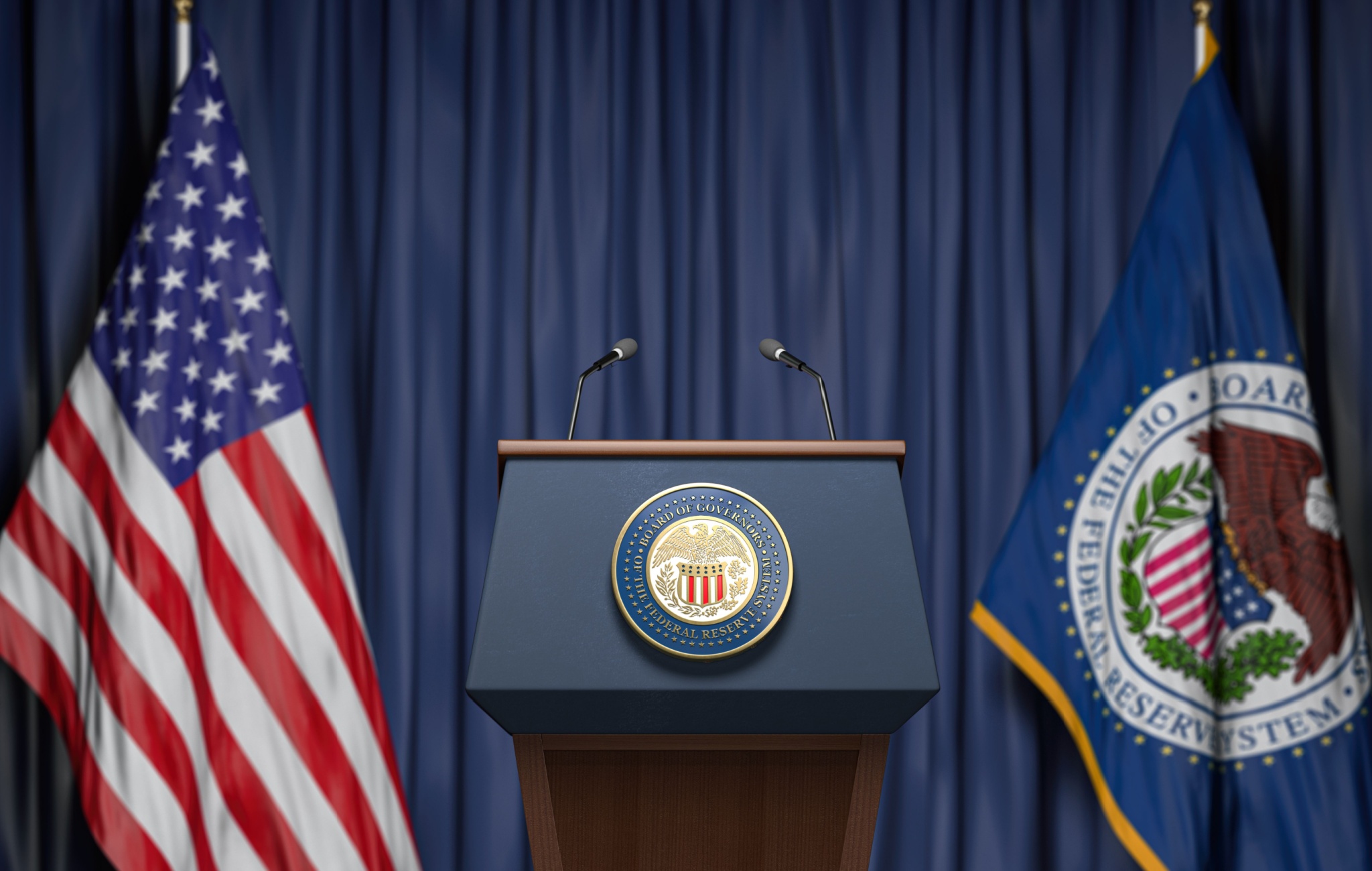
Trump v. Cook Won’t Settle the Fed’s Independence Problem
Political pressure has made it harder to distinguish sound monetary policy from strategic posturing. Congress, not SCOTUS, is empowered to change that.
-
•
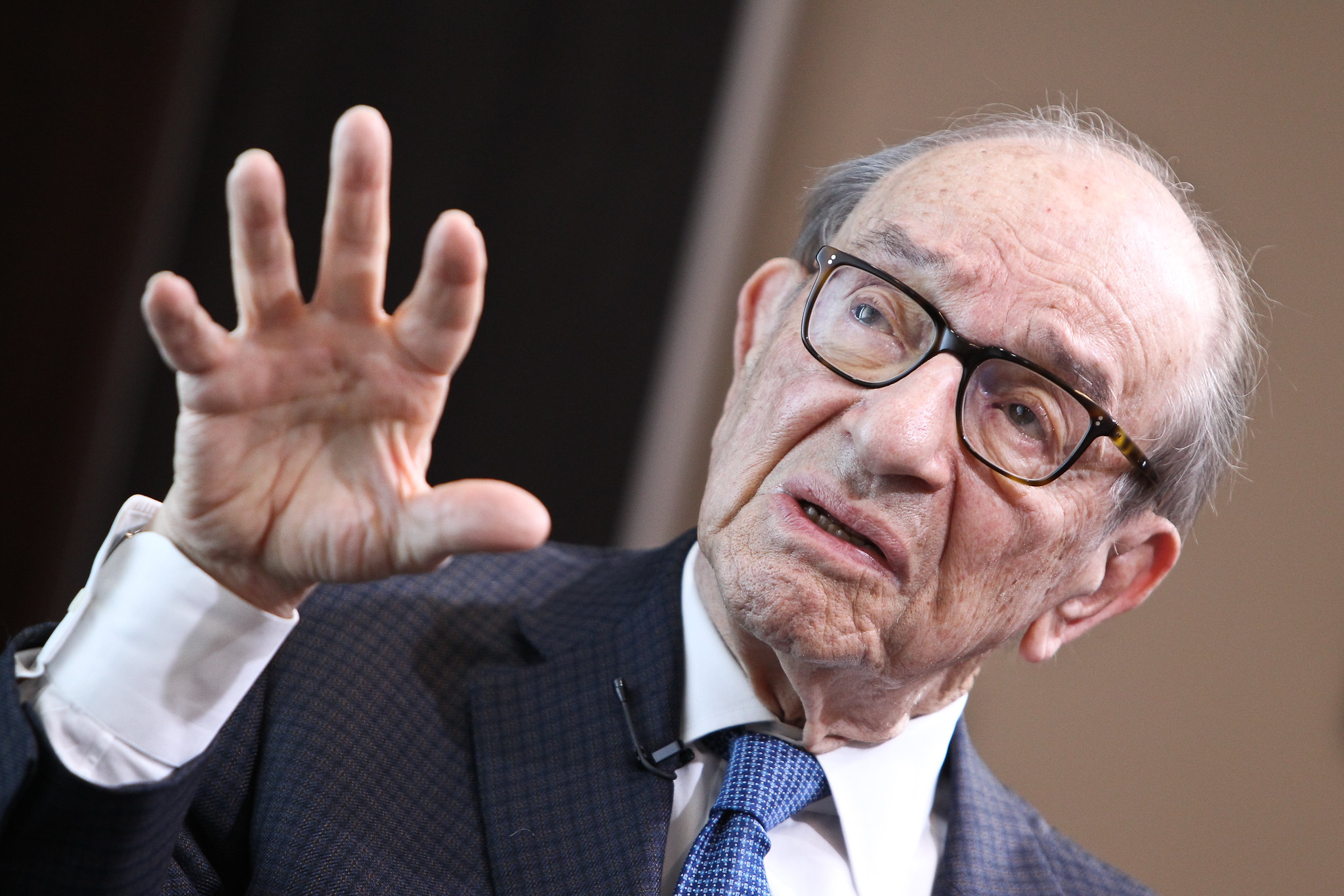
Alan Greenspan’s Complicated Monetary Legacy
Sound money needs rules, not a maestro, a tension embodied in Alan Greenspan’s long tenure at the Fed.
-
•
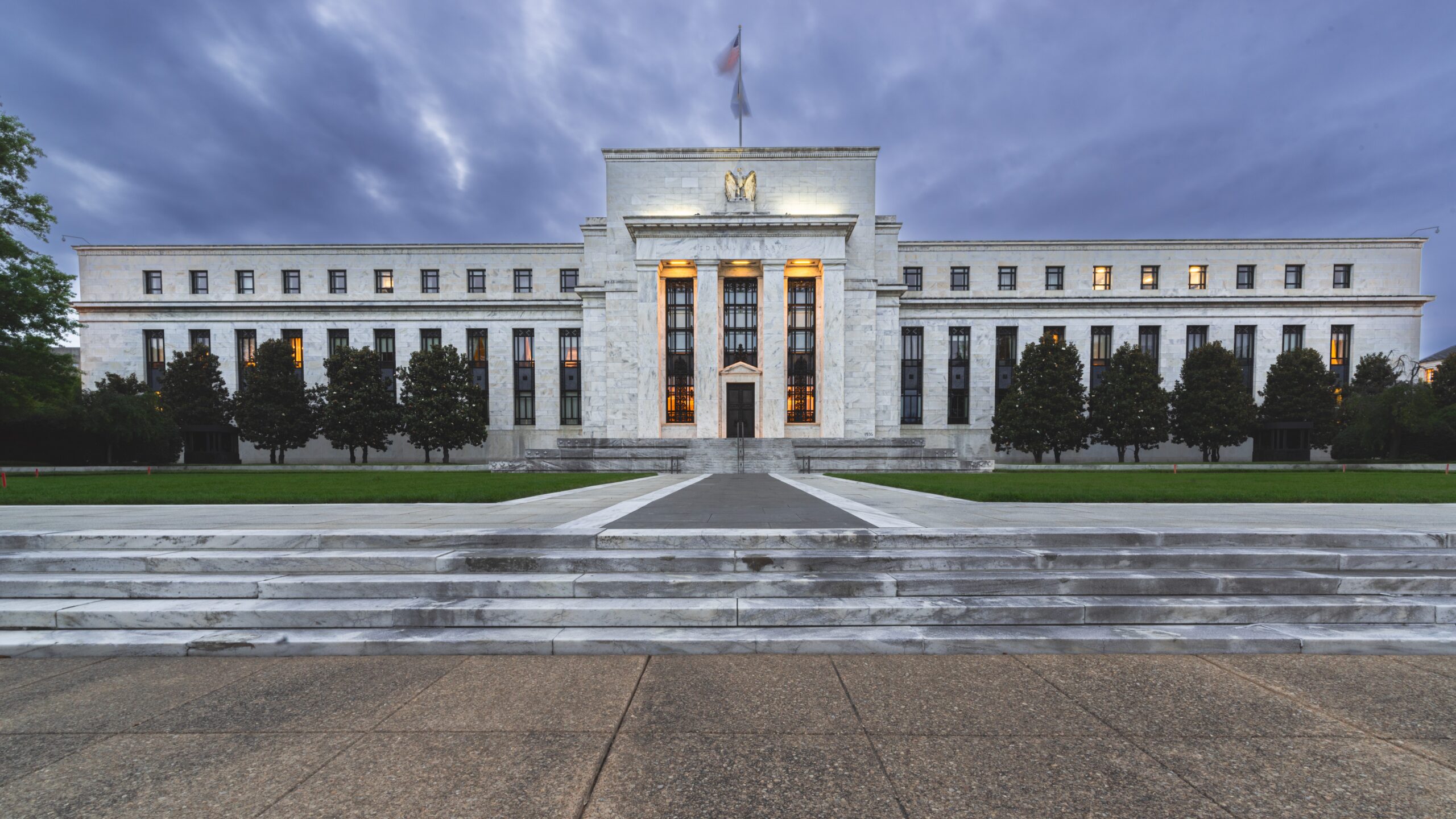
Independence or Accountability: The Fed Cannot Have Both
The Federal Reserve’s independence is often defended as essential to sound monetary policy, but it comes at the cost of meaningful democratic accountability.
-

•
Excess Spending Keeps Inflation Above Target in April
Supply shocks alone cannot explain higher prices. Excessive spending is to blame — and policymakers have failed to connect the dots.
-
•
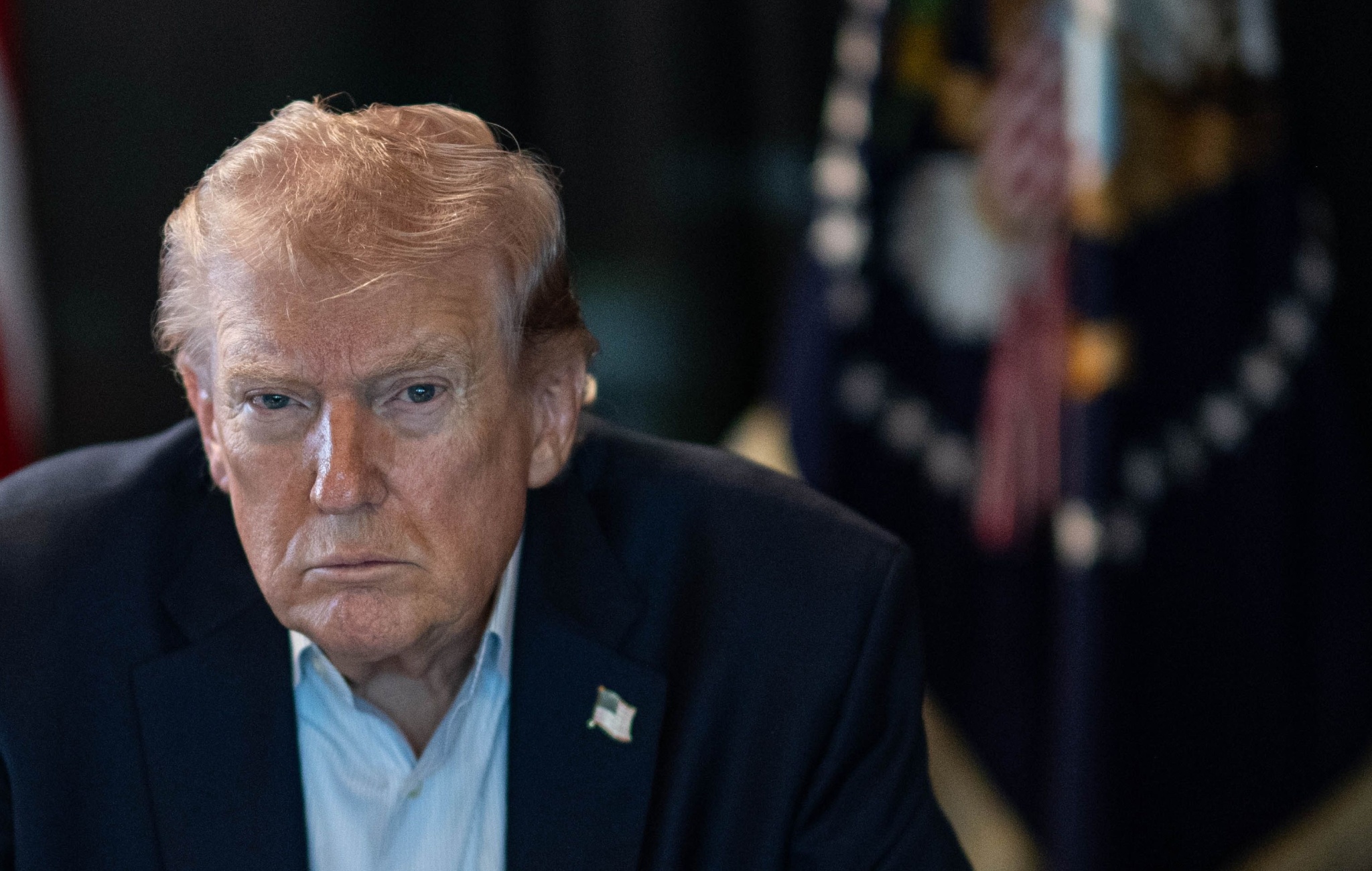
Warsh Inherits a Fed Caught Between Inflation and Trump
Kevin Warsh enters the Fed chairmanship facing sticky inflation, rising energy costs, and strong consumer demand. Prompt action may help avoid politically explosive rate hikes.
-

•
Headline Inflation Cooled in April, but Core Pressures Picked Up
April inflation data suggest price pressures are becoming broader and more persistent, reinforcing the Federal Reserve’s cautious stance on interest rates.
-

•
Energy Price Hikes Only Exacerbate Persistent Inflation Problem
Oil price spikes matter, but the evidence points to excess nominal spending as the primary source of sustained inflation.
-
•
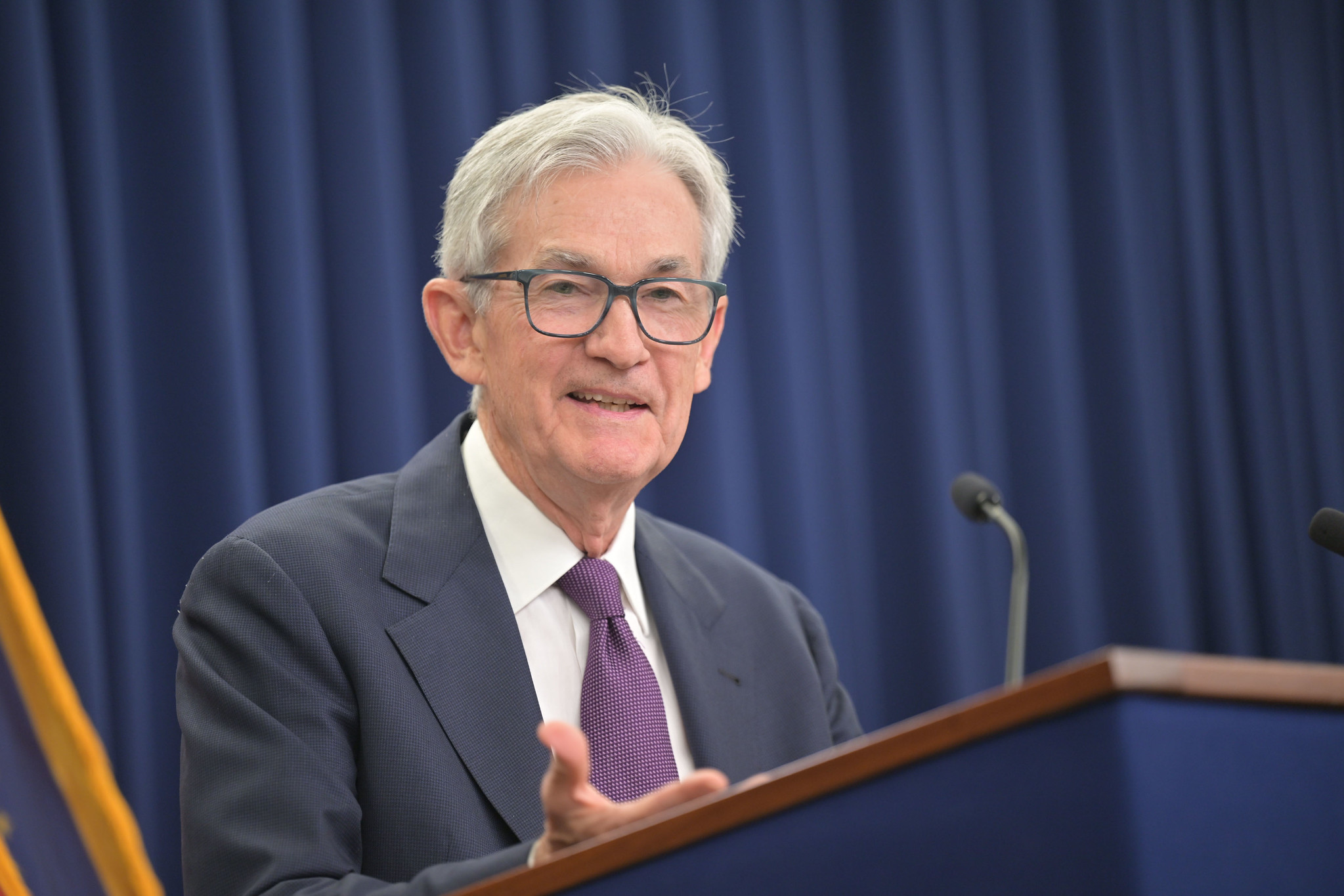
Powell Exits a Fed Fractured by Inflation Debate
As the Fed prepares for a new chair, the FOMC’s disagreement isn’t the timing of rate changes, but fundamentally different views about what causes inflation.
-

•
Supply Shocks Plus Inflation Bind the Fed’s Hands
Energy-driven inflation and slowing growth have put the Fed in a difficult position. A look at monetary policy rules shows why holding rates steady may be the most prudent response.
-

•
The Fed Sees Higher Inflation Coming — and May Cut Rates Anyway
Inflation is well above two percent, but rate paths haven’t moved. The disconnect suggests a shift in how much inflation the Fed is willing to tolerate.
-
•
Trump v. Cook Won’t Settle the Fed’s Independence Problem
Political pressure has made it harder to distinguish sound monetary policy from strategic posturing. Congress, not SCOTUS, is empowered to change that.
-
•
Alan Greenspan’s Complicated Monetary Legacy
Sound money needs rules, not a maestro, a tension embodied in Alan Greenspan’s long tenure at the Fed.
-
•
Independence or Accountability: The Fed Cannot Have Both
The Federal Reserve’s independence is often defended as essential to sound monetary policy, but it comes at the cost of meaningful democratic accountability.
-
•
Excess Spending Keeps Inflation Above Target in April
Supply shocks alone cannot explain higher prices. Excessive spending is to blame — and policymakers have failed to connect the dots.
-
•
Warsh Inherits a Fed Caught Between Inflation and Trump
Kevin Warsh enters the Fed chairmanship facing sticky inflation, rising energy costs, and strong consumer demand. Prompt action may help avoid politically explosive rate hikes.
-
•
Headline Inflation Cooled in April, but Core Pressures Picked Up
April inflation data suggest price pressures are becoming broader and more persistent, reinforcing the Federal Reserve’s cautious stance on interest rates.
-
•
Energy Price Hikes Only Exacerbate Persistent Inflation Problem
Oil price spikes matter, but the evidence points to excess nominal spending as the primary source of sustained inflation.
-
•
Powell Exits a Fed Fractured by Inflation Debate
As the Fed prepares for a new chair, the FOMC’s disagreement isn’t the timing of rate changes, but fundamentally different views about what causes inflation.
-
•
Supply Shocks Plus Inflation Bind the Fed’s Hands
Energy-driven inflation and slowing growth have put the Fed in a difficult position. A look at monetary policy rules shows why holding rates steady may be the most prudent response.
-
•
The Fed Sees Higher Inflation Coming — and May Cut Rates Anyway
Inflation is well above two percent, but rate paths haven’t moved. The disconnect suggests a shift in how much inflation the Fed is willing to tolerate.