
Sound Money Project
-

•
Waller Isn’t Flinching at Tariff Inflation — Here’s Why
Many at the Fed believe once tariffs raise the price floor, inflation will return to trend, but unemployment and consumer projections vary.
-

•
Two Cheers (and a Warning) for May’s Inflation Slowdown
Central bankers are in a pickle. But the current, frustrating tradeoffs result from short-sighted fiscal policies of the past.
-

•
Inflation Remained Low in April, But How Long Can Monetary Policy Remain Tight?
By undershooting its inflation target after clearly stating it would not do so, the Fed risks surprising the public—and perhaps triggering a recession.
-

•
When Will The Fed Cut Interest Rates?
The Fed should seek to avoid its recent mistakes, and keep nominal spending on a stable trajectory. FOMC predicts rates will be 50 basis points lower by the end of 2025.
-

•
April’s Prices Rose, But Inflation Cooled Overall
Energy costs prices pushed prices up, but the money supply is probably increasing as fast as it ought to.
-

•
Fed Holds Steady as Tariff Storm Looms
The Fed seems confident it can hold inflation near two percent, but the full impact of tariffs on prices and employment remains unknowable.
-

•
Consumer Prices Fall in March
Both headline and core inflation are heading in the right direction. But the Fed shouldn’t overcorrect after a single month of falling prices.
-

•
Inflation Remained Elevated in February
Despite elevated inflation, there are reasons to think inflation may fall in the months ahead.
-
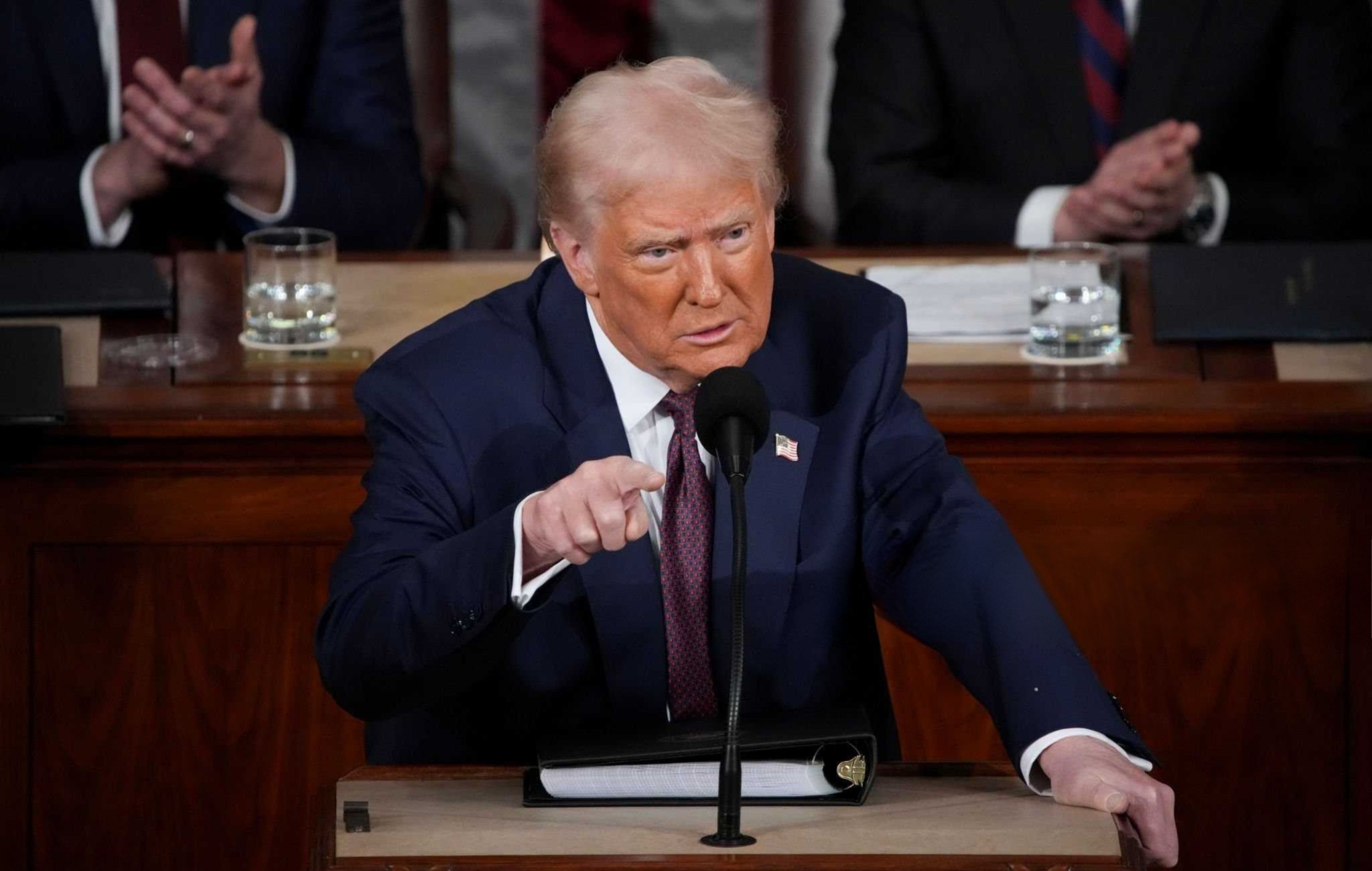
•
What a Trumped-up Fed Means for the Global Economy
While the Fed’s core duties remain off-limits to Trump’s regulatory overhaul, the administration clearly wants to subordinate the central bank to its political objectives.
-

•
The Tariff Trade-Off Many Economists Ignore
The deadweight loss caused by higher tariffs could, at least in theory, be offset by gains from a lower income tax rate.
-
•
Waller Isn’t Flinching at Tariff Inflation — Here’s Why
Many at the Fed believe once tariffs raise the price floor, inflation will return to trend, but unemployment and consumer projections vary.
-
•
Two Cheers (and a Warning) for May’s Inflation Slowdown
Central bankers are in a pickle. But the current, frustrating tradeoffs result from short-sighted fiscal policies of the past.
-
•
Inflation Remained Low in April, But How Long Can Monetary Policy Remain Tight?
By undershooting its inflation target after clearly stating it would not do so, the Fed risks surprising the public—and perhaps triggering a recession.
-
•
When Will The Fed Cut Interest Rates?
The Fed should seek to avoid its recent mistakes, and keep nominal spending on a stable trajectory. FOMC predicts rates will be 50 basis points lower by the end of 2025.
-
•
April’s Prices Rose, But Inflation Cooled Overall
Energy costs prices pushed prices up, but the money supply is probably increasing as fast as it ought to.
-
•
Fed Holds Steady as Tariff Storm Looms
The Fed seems confident it can hold inflation near two percent, but the full impact of tariffs on prices and employment remains unknowable.
-
•
Consumer Prices Fall in March
Both headline and core inflation are heading in the right direction. But the Fed shouldn’t overcorrect after a single month of falling prices.
-
•
Inflation Remained Elevated in February
Despite elevated inflation, there are reasons to think inflation may fall in the months ahead.
-
•
What a Trumped-up Fed Means for the Global Economy
While the Fed’s core duties remain off-limits to Trump’s regulatory overhaul, the administration clearly wants to subordinate the central bank to its political objectives.
-
•
The Tariff Trade-Off Many Economists Ignore
The deadweight loss caused by higher tariffs could, at least in theory, be offset by gains from a lower income tax rate.