
Energy
-
•
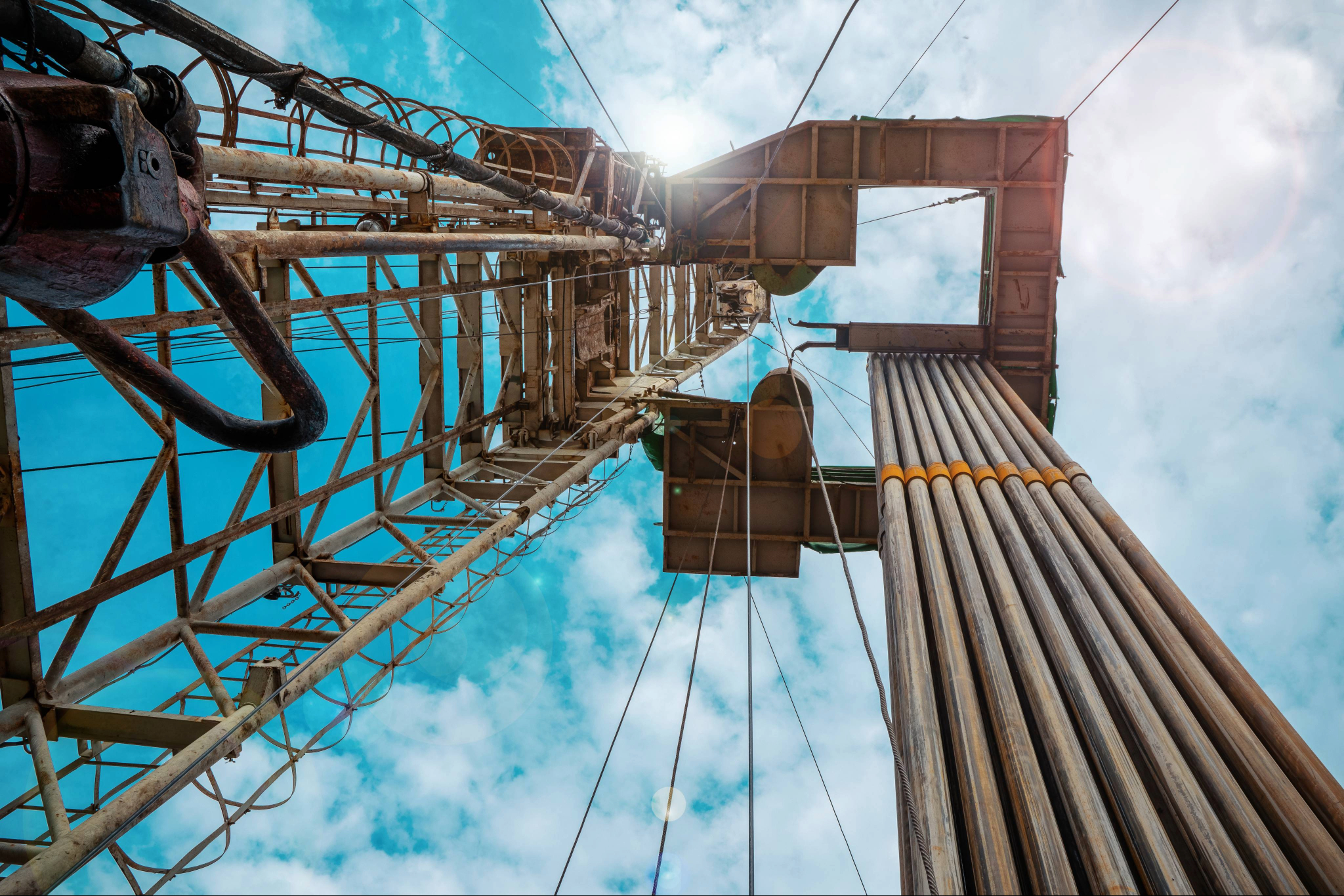
Why Oil Keeps Getting More Abundant
Oil deposits may be finite, but human knowledge is not. Freedom, innovation, and entrepreneurship continually transform our use of resources.
-

•
Green Growth: Data Show Freeing Economies Doesn’t Harm the Environment
Economic liberalization has often been assumed to have environmental tradeoffs. But decades of data show the incentives of prosperity and preservation are aligned.
-
•
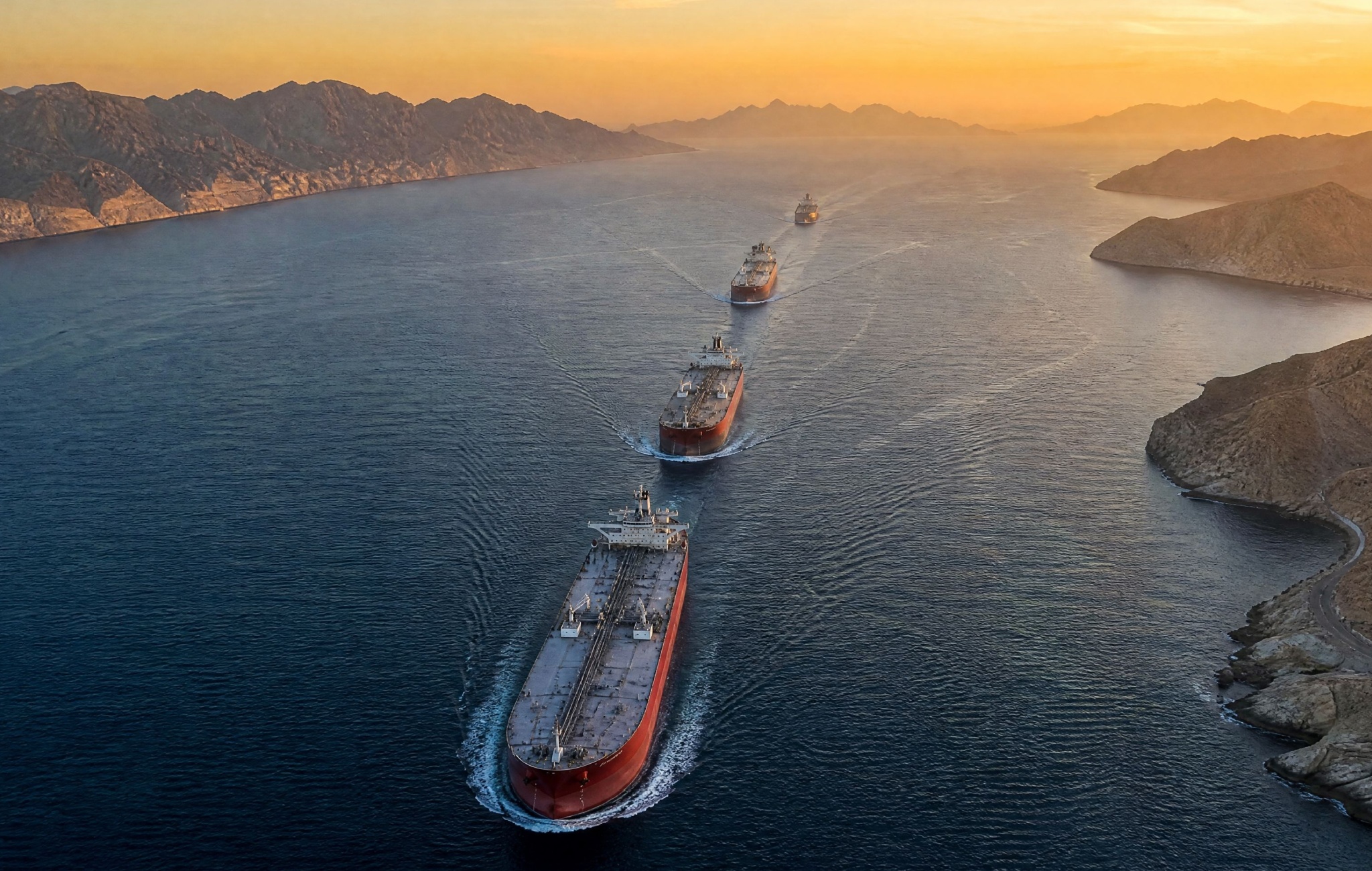
May’s Inflation Is More Than an Energy Story
Core inflation remained relatively subdued, but headline shocks, strong demand, and a tight labor market complicate the outlook for monetary policy.
-

•
AIER’s Everyday Price Index Rises Again as Energy Shock Fuels Inflation
AIER’s cost index rose sharply in May amid higher energy costs, while softer core inflation suggested consumers are becoming more price-sensitive.
-

•
Why Water Prices Are Rising
America’s water crisis is a governance problem, not a scarcity problem.
-

•
The Land of Fire and the Cost of Green Scarcity
Azerbaijan’s energy-dependent economy and California’s costly climate mandates reveal a common lesson: environmental policy works when it is local, adaptable, and intellectually humble.
-
•
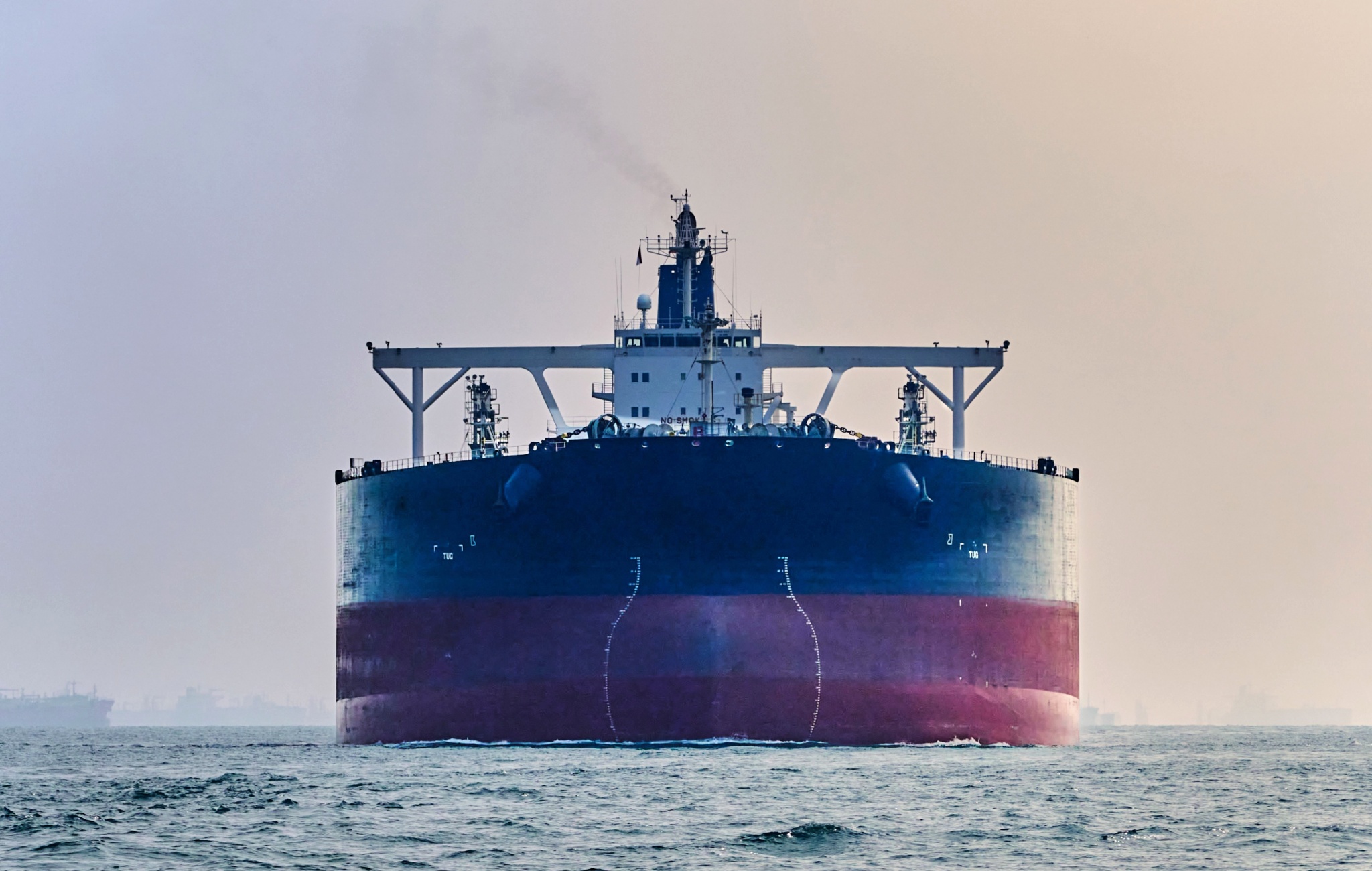
Excess Spending Keeps Inflation Above Target in April
Supply shocks alone cannot explain higher prices. Excessive spending is to blame — and policymakers have failed to connect the dots.
-
•
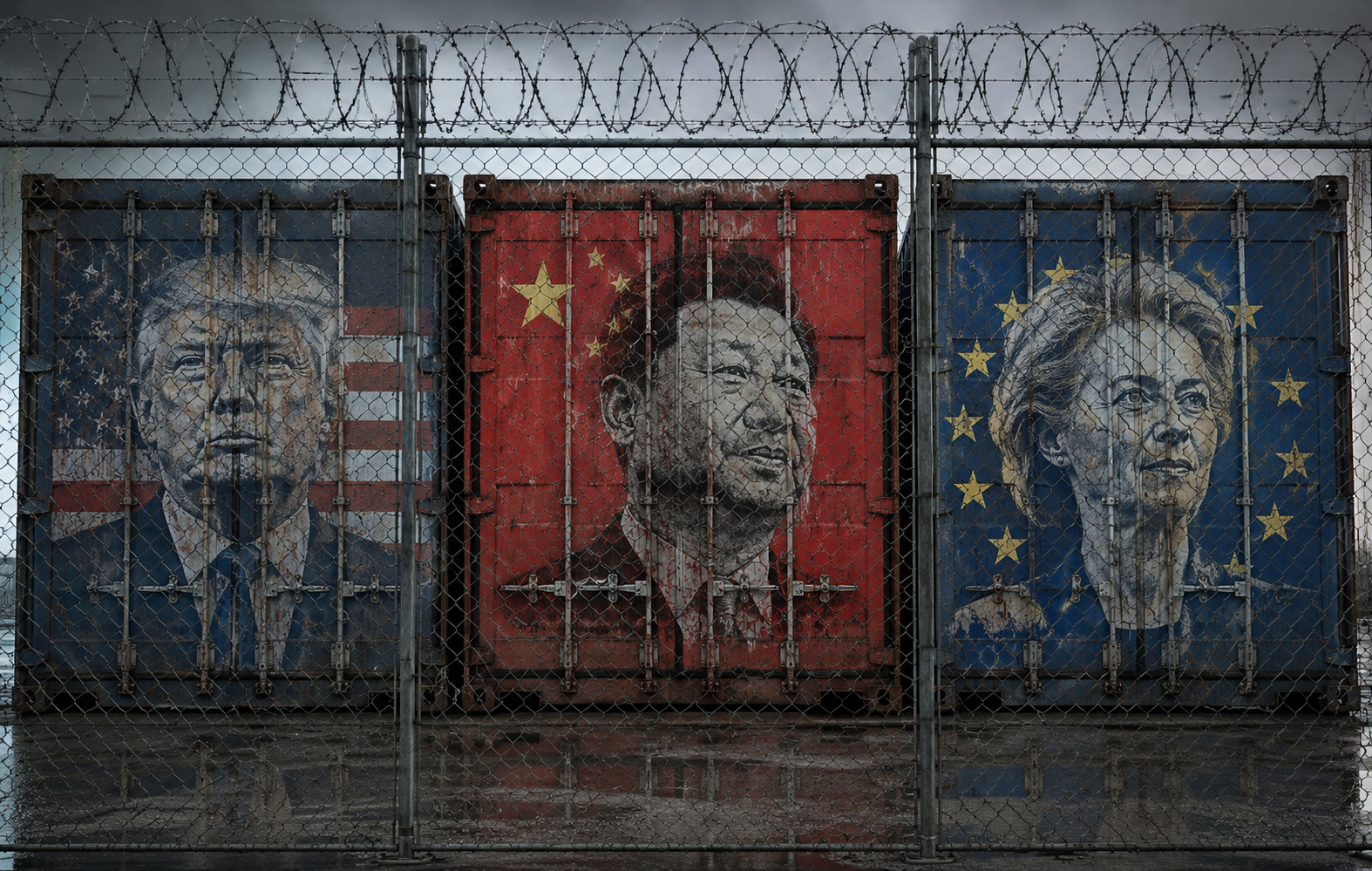
Controlled Commerce: The March of a New Global Economic Order
Washington, Beijing, and Brussels are all moving toward state-managed commerce and geopolitical trade blocs. The recent US-China summit accelerates the shift.
-
•
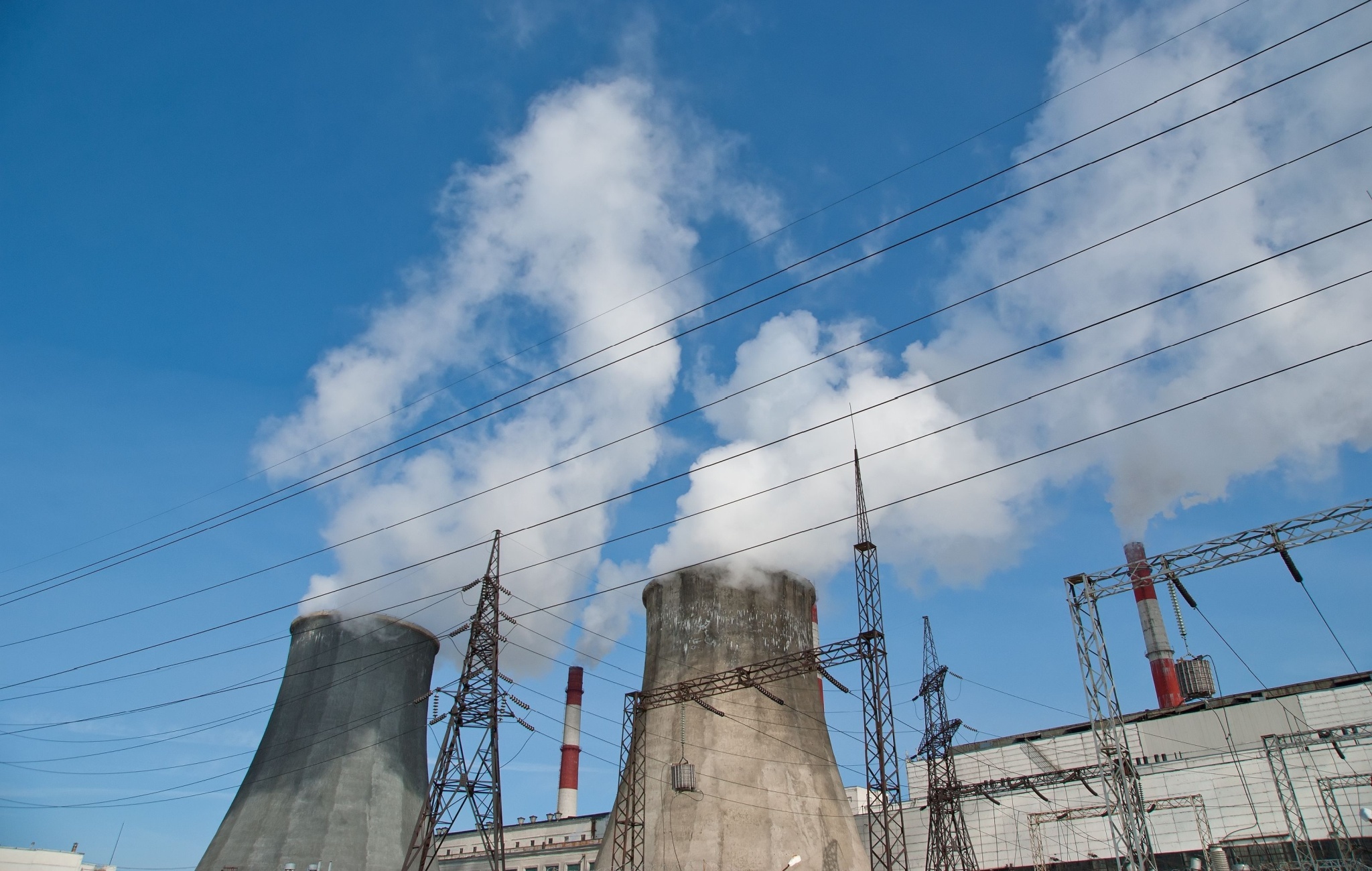
Decades of Bad Energy Policy Left Oil Markets Vulnerable to Iran Shock
Current energy prices reflect the delayed costs of regulatory priorities that misallocated investment and undermined energy resilience.
-
•
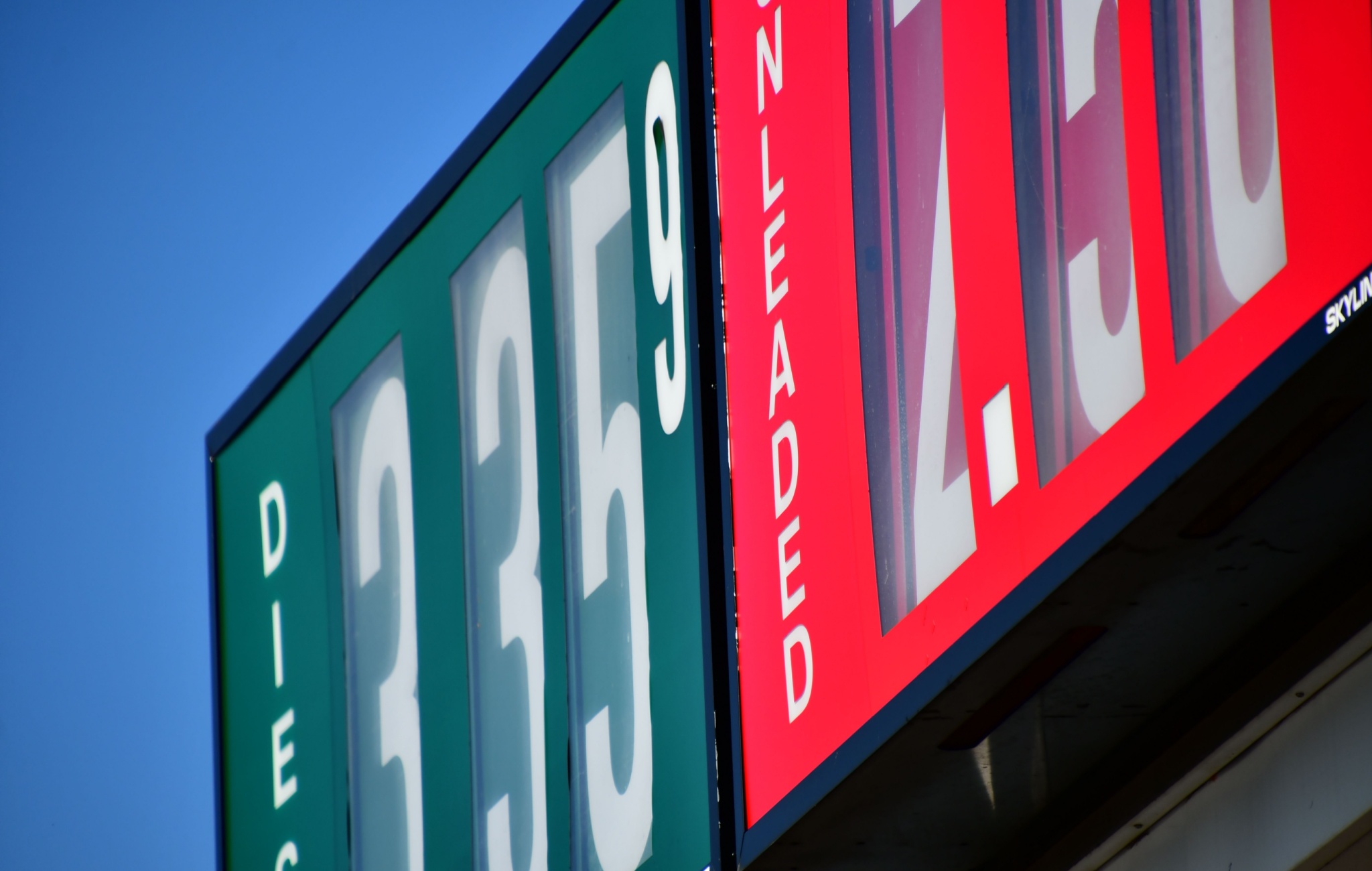
Estimating the Iran War’s Effect on US Gasoline Prices
A forecasting model shows gasoline prices broke sharply from their expected trajectory after the outbreak of war.
-
•
Why Oil Keeps Getting More Abundant
Oil deposits may be finite, but human knowledge is not. Freedom, innovation, and entrepreneurship continually transform our use of resources.
-
•
Green Growth: Data Show Freeing Economies Doesn’t Harm the Environment
Economic liberalization has often been assumed to have environmental tradeoffs. But decades of data show the incentives of prosperity and preservation are aligned.
-
•
May’s Inflation Is More Than an Energy Story
Core inflation remained relatively subdued, but headline shocks, strong demand, and a tight labor market complicate the outlook for monetary policy.
-
•
AIER’s Everyday Price Index Rises Again as Energy Shock Fuels Inflation
AIER’s cost index rose sharply in May amid higher energy costs, while softer core inflation suggested consumers are becoming more price-sensitive.
-
•
Why Water Prices Are Rising
America’s water crisis is a governance problem, not a scarcity problem.
-
•
The Land of Fire and the Cost of Green Scarcity
Azerbaijan’s energy-dependent economy and California’s costly climate mandates reveal a common lesson: environmental policy works when it is local, adaptable, and intellectually humble.
-
•
Excess Spending Keeps Inflation Above Target in April
Supply shocks alone cannot explain higher prices. Excessive spending is to blame — and policymakers have failed to connect the dots.
-
•
Controlled Commerce: The March of a New Global Economic Order
Washington, Beijing, and Brussels are all moving toward state-managed commerce and geopolitical trade blocs. The recent US-China summit accelerates the shift.
-
•
Decades of Bad Energy Policy Left Oil Markets Vulnerable to Iran Shock
Current energy prices reflect the delayed costs of regulatory priorities that misallocated investment and undermined energy resilience.
-
•
Estimating the Iran War’s Effect on US Gasoline Prices
A forecasting model shows gasoline prices broke sharply from their expected trajectory after the outbreak of war.